
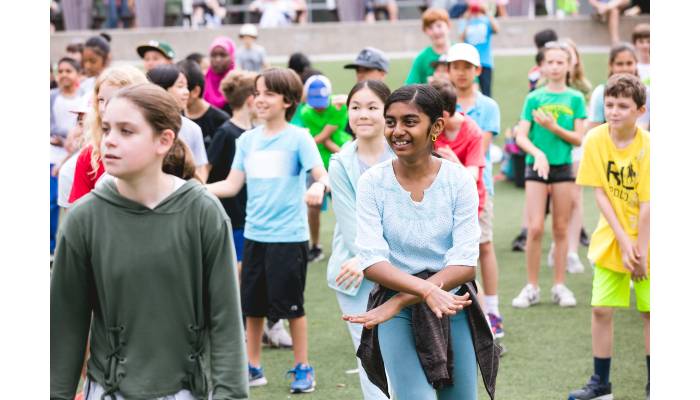
Dance has the unique power to bring people together, transcending language and cultural barriers while creating meaningful connections. In Toronto, dance programs focused on community engagement are transforming lives and fostering inclusivity through accessible movement education. This article explores how sharing dance in Toronto strengthens community bonds, promotes wellness, and creates opportunities for artistic expression across diverse populations.
Understanding the Importance of Sharing Dance Toronto
Sharing dance toronto represents more than just teaching movement techniques or choreography. It embodies a philosophy of accessibility, inclusivity, and community building that makes dance available to everyone regardless of age, background, or physical ability. This approach recognizes dance as a fundamental human expression that should be shared widely rather than restricted to elite performers or professional dancers. When communities embrace shared dance experiences, they create spaces where people can connect authentically, express themselves creatively, and develop physical literacy in supportive environments. The practice acknowledges that dance belongs to everyone and that its benefits extend far beyond the studio walls into mental health, social cohesion, and cultural preservation. By making dance accessible to marginalized communities, economically disadvantaged groups, and individuals with disabilities, sharing dance programs help democratize an art form that has historically been exclusive. Toronto’s diverse population makes it an ideal location for these inclusive dance initiatives, as the city’s multicultural fabric provides rich opportunities for cultural exchange through movement. Programs that emphasize sharing dance also help combat social isolation, particularly among seniors and newcomers to the city who may struggle to find community connections in a large urban environment.

How Sharing Dance Toronto Programs Transform Communities?
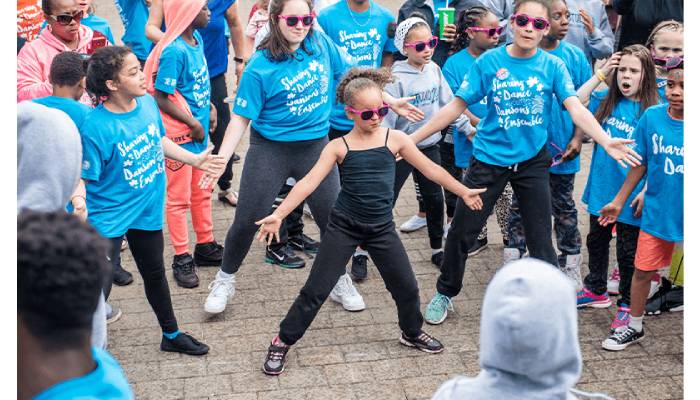
Sharing dance toronto initiatives create profound impacts on community wellness and social cohesion through structured programs that prioritize participation over perfection. These programs typically operate in schools, community centers, healthcare facilities, and public spaces, bringing dance directly to people where they already gather. The transformational power comes from the combination of physical activity, artistic expression, and social interaction that dance naturally provides. Participants develop not only physical coordination and strength but also emotional regulation, confidence, and interpersonal skills that transfer into other areas of life. For individuals facing mental health challenges, community dance programs offer therapeutic benefits through structured movement that releases endorphins and provides healthy coping mechanisms. Young people benefit from mentorship opportunities and positive peer interactions that help them develop identity and belonging during formative years. Seniors experience reduced isolation, improved balance and mobility, and cognitive stimulation that may help delay age-related decline. Newcomers to Toronto find cultural bridges through dance that help them integrate while maintaining connections to their heritage traditions. The community transformation occurs not just within individual participants but in the relationships formed between diverse groups who might not otherwise interact, breaking down stereotypes and building mutual understanding through shared creative experiences.
What Makes Toronto an Ideal City for Dance Sharing Programs?
Toronto’s status as one of the world’s most multicultural cities creates unique opportunities for dance sharing programs that celebrate diversity while building common ground. With residents representing over two hundred distinct ethnic origins and more than one hundred sixty languages spoken, the city contains a wealth of dance traditions from around the globe. This cultural richness allows dance programs to incorporate multiple movement vocabularies, from West African to Bollywood, from Indigenous to contemporary, creating fusion experiences that honor heritage while exploring innovation. The city’s infrastructure supports these initiatives through an extensive network of community centers, libraries, schools, and public spaces that can host dance activities. Toronto’s commitment to arts funding and cultural programming means that many sharing dance initiatives receive municipal or provincial support that helps maintain accessibility and affordability. The city’s relatively progressive values around inclusion and diversity align well with the philosophy underlying dance sharing programs, creating a receptive environment for initiatives that prioritize equity and access. Toronto’s density and transit system also make it possible for programs to reach participants across neighborhoods, though challenges remain in ensuring programs extend to suburban and underserved areas. The city’s vibrant professional dance scene provides a pool of skilled instructors who can lead community programs while the presence of multiple dance training institutions creates pipelines for new teaching artists committed to community engagement. Climate considerations mean that indoor spaces remain important year-round, though summer festivals and outdoor programs help bring dance into public consciousness and create opportunities for spontaneous participation and audience engagement.
The Health and Wellness Benefits of Community Dance Participation
Participation in community dance programs delivers measurable health benefits across physical, mental, and social dimensions of wellness. Physically, regular dance practice improves cardiovascular fitness, muscular strength, flexibility, balance, and coordination without the monotony often associated with traditional exercise routines. The varied movements inherent in dance engage multiple muscle groups and challenge the body in diverse ways that promote functional fitness applicable to daily activities. For older adults, balance improvements from dance practice significantly reduce fall risk, a major health concern that can lead to serious injury and loss of independence. Mental health benefits include stress reduction through physical activity and creative expression, improved mood from social connection and accomplishment, and potential cognitive benefits from learning complex movement sequences that challenge memory and spatial awareness. Research suggests that dance may be particularly effective at maintaining cognitive function in aging populations compared to other forms of exercise because it combines physical demands with mental challenges and social engagement. The social wellness dimension addresses isolation and loneliness, which have documented negative impacts on both mental and physical health comparable to smoking or obesity. Community dance creates natural opportunities for friendship formation and sustained social networks that provide emotional support and practical assistance. For individuals managing chronic conditions like arthritis, diabetes, or cardiovascular disease, adapted dance programs offer gentle exercise options that can be modified to individual capabilities while still providing the motivation and enjoyment that comes from group participation and musical accompaniment.
Building Inclusive Dance Programs That Serve Diverse Populations
Creating truly inclusive dance programs requires intentional design that addresses barriers to participation and actively welcomes diverse communities. Financial accessibility remains a primary concern, as many traditional dance programs charge fees that exclude economically disadvantaged individuals and families. Successful sharing dance initiatives often operate on sliding scale fees, offer subsidized spots, or eliminate charges entirely through grant funding and institutional support. Physical accessibility means ensuring that spaces accommodate wheelchairs and mobility aids, that programs offer adaptations for different ability levels, and that instruction includes options for participants who cannot perform standard movements. Cultural accessibility requires programming that reflects the diversity of the community, with music, movement styles, and teaching approaches that honor various traditions rather than privileging Western concert dance forms exclusively. Language accessibility may involve multilingual instruction, visual demonstration that reduces reliance on verbal explanation, or partnerships with cultural organizations that serve specific linguistic communities. Geographic accessibility means locating programs in neighborhoods where target populations live rather than expecting residents to travel to downtown cultural institutions, and scheduling classes at times that accommodate work schedules and caregiving responsibilities. Inclusive programs also require instructor training that goes beyond dance technique to address trauma-informed practices, cultural humility, disability awareness, and strategies for creating welcoming environments where participants feel safe to take risks and express themselves. For individuals interested in supporting these initiatives, business partnerships and community sponsorships can provide crucial resources that help programs maintain quality while remaining accessible to those who need them most.
Conclusion
Sharing dance toronto represents a powerful approach to community building that leverages the universal language of movement to create connection, promote wellness, and celebrate diversity. Through intentionally designed programs that prioritize access and inclusion, dance becomes a tool for social change that extends far beyond entertainment or elite performance. As Toronto continues to grow and diversify, investing in dance sharing initiatives offers a meaningful way to strengthen community bonds, address health disparities, and ensure that all residents have opportunities to experience the joy and benefits of moving together. Whether through formal programs or spontaneous community gatherings, the act of sharing dance creates ripples of positive impact that transform individuals, neighborhoods, and the broader social fabric of the city.