
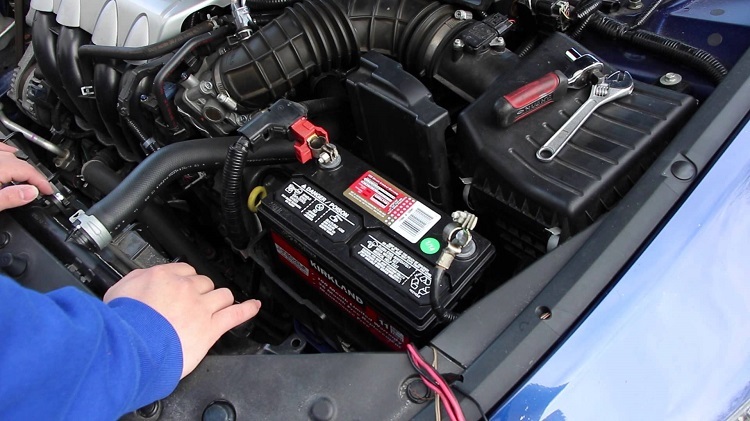
Your car battery is a vital component that powers everything from starting your engine to running electronic systems like lights, power windows, and infotainment. While it may not require frequent maintenance, it doesn’t last forever. A failing battery can leave you stranded or cause frustrating electrical issues if not replaced in time.
Understanding the signs your car battery needs replacing can save you from unexpected breakdowns and costly repairs. Here’s what to look for—and when to act.
1. Slow Engine Crank
One of the earliest signs of a weak battery is a slow engine crank when starting the car. If the engine turns over more slowly than usual or takes longer to start, your battery may be losing its charge.
Why It Happens:
A weakening battery doesn’t hold enough power to turn the starter motor efficiently, especially after the vehicle has been sitting for a while or in cold weather.
2. Dashboard Warning Light
Most modern vehicles are equipped with a battery-shaped warning light on the dashboard. If this light stays illuminated while you’re driving, it’s a clear signal that your charging system—or the battery itself—needs inspection.
Tip:
While the warning light may also relate to the alternator or electrical system, it should never be ignored.
3. Electrical Issues and Dimming Lights
When your battery starts to fail, electrical components like headlights, dashboard lights, and infotainment systems may behave unpredictably. You might notice:
-
Dimming interior or exterior lights
-
Power windows operating more slowly
-
Problems with audio systems or digital displays
These symptoms indicate the battery is struggling to distribute enough power to multiple systems.
4. Corrosion on Battery Terminals
Inspect the battery terminals under your hood. If you notice a white, blue, or greenish powdery buildup, it’s corrosion—a common byproduct of battery acid.
Why It Matters:
Corroded terminals can block the flow of electricity, making it harder for your vehicle to start and for the battery to charge efficiently.
5. Swollen or Leaking Battery Case
A healthy car battery should have a clean, rectangular shape. If the case appears swollen or bloated, or if there’s visible leaking, it’s time for immediate replacement.
Cause:
Extreme heat or overcharging can cause the internal chemicals to expand or leak, which poses both safety and performance risks.
6. Age of the Battery
Most car batteries last between 3 to 5 years, depending on usage, climate, and maintenance. If your battery is older than that, you should consider testing it—even if it hasn’t shown any symptoms yet.
7. Clicking Sound When Turning the Key
When you turn the key or push the start button and hear a rapid clicking noise, it’s usually because the battery doesn’t have enough power to start the engine. This clicking is the starter solenoid engaging without adequate current to power the motor.
8. You Frequently Need a Jump Start
If you’re jump-starting your vehicle more than once every few months, your battery is likely no longer holding a reliable charge. While external factors like leaving lights on can drain any battery, frequent jump starts are a major warning sign.
Testing Your Battery: How to Know for Sure
Most auto parts stores offer free battery testing. You can also use a multimeter at home:
-
A fully charged battery should read around 12.6 volts with the engine off.
-
If it’s below 12.4 volts, it may already be underperforming.
-
When running, the voltage should increase to 13.7–14.7 volts, showing that the alternator is charging the battery properly.
How a Bad Battery Affects Long Trips
While you might associate battery issues with starting the car, they also affect performance during long drives. If your battery is unstable, you could lose access to essential systems such as cruise control, navigation, or climate control—critical features for extended travel.
This is particularly important if you’re researching the Best Cars for Long Distance Driving Comfort, as these vehicles often rely heavily on advanced electronics and safety systems. A reliable battery ensures those features perform without interruption throughout your journey.
How to Prolong Your Battery Life
While no battery lasts forever, you can extend its life with proper care:
| Tip | Benefit |
|---|---|
| Drive Regularly | Prevents battery drain and maintains charge |
| Avoid Short Trips Only | Allows alternator enough time to recharge battery |
| Keep Terminals Clean | Ensures efficient power flow |
| Turn Off Lights/Accessories When Engine Is Off | Reduces parasitic drain |
| Secure the Battery Properly | Prevents vibration-related damage |
| Check Voltage in Extreme Temperatures | Batteries drain faster in cold and degrade faster in heat |
When to Replace the Battery
Here’s a quick reference table to help you decide:
| Symptom | Action |
|---|---|
| Slow starts or clicking sound | Test battery immediately |
| Electrical malfunctions | Inspect battery and alternator |
| Swollen case or corrosion | Replace immediately |
| Battery age > 3 years | Schedule a preventive test |
Final Thoughts
Knowing the signs your car battery needs replacing helps you avoid surprise breakdowns and maintain your vehicle’s reliability. From dimming headlights to slow starts and electrical glitches, these warning signs should never be ignored.
Replacing your battery before it fully fails is a smart move—especially if you rely on your vehicle for long-distance drives or daily commuting. Regular inspections and proactive maintenance ensure your car is always ready when you are.