
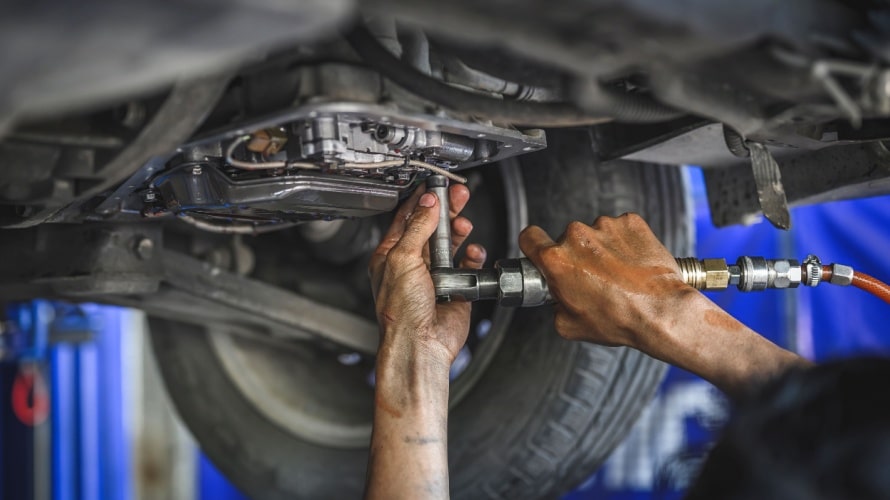
Your car’s transmission is one of its most important components, responsible for transferring power from the engine to the wheels. Keeping it in good condition is essential for smooth driving and long-term performance. One of the simplest yet most crucial aspects of transmission care is maintaining the right level and quality of transmission fluid.
Over time, transmission fluid can become dirty, degraded, or low, leading to performance issues and potential damage. Recognizing the early warning signs can save you from costly repairs and keep your vehicle running efficiently.
Why Transmission Fluid Is Important
Transmission fluid acts as a lubricant, coolant, and hydraulic fluid. It ensures that gears shift smoothly, reduces friction, and prevents overheating. Without proper fluid maintenance, your transmission can wear out quickly and may even fail.
Regular checks and timely changes are key to avoiding major mechanical problems.
Common Signs You Need a Transmission Fluid Change
1. Difficulty Shifting Gears
If you notice delays or resistance when shifting gears, it could be due to old or low transmission fluid. Smooth gear transitions depend heavily on clean fluid.
- Gears may feel stiff
- Delayed response when accelerating
- Jerky or rough shifting
These are often early indicators that your fluid needs attention.
2. Unusual Noises
Grinding, whining, or clunking noises while driving can signal transmission trouble. These sounds often occur when the fluid is no longer providing proper lubrication.
Ignoring these noises can lead to serious internal damage.
3. Burning Smell
A burnt smell coming from your car is a strong warning sign. Overheated or degraded transmission fluid loses its effectiveness and can damage internal components.
If you notice this smell, it’s important to check your fluid immediately.
4. Slipping Gears
If your car unexpectedly changes gears or struggles to stay in gear, it may indicate low or worn-out transmission fluid.
- Sudden changes in speed
- Engine revving without acceleration
- Loss of power while driving
This issue can be dangerous and should be addressed quickly.
5. Transmission Fluid Leaks
Transmission fluid is typically bright red or brown. If you see puddles or stains under your car, it could mean a leak.
Low fluid levels can cause overheating and serious transmission damage if not fixed promptly.
6. Warning Lights on Dashboard
Modern vehicles often have warning lights that indicate transmission issues. If a warning light appears, it’s a good idea to check your transmission fluid and consult a mechanic.
7. Rough or Delayed Acceleration
If your car hesitates or struggles to accelerate smoothly, the transmission may not be receiving enough lubrication or pressure from the fluid.
This can affect overall driving performance and fuel efficiency.
When Should You Change Transmission Fluid?
The recommended interval for changing transmission fluid varies depending on the vehicle and driving conditions. Generally:
| Driving Condition | Recommended Change Interval |
|---|---|
| Normal driving | Every 50,000–100,000 km |
| Heavy usage (traffic, towing) | Every 30,000–50,000 km |
Always refer to your car’s manual for specific guidelines.
Benefits of Timely Fluid Change
- Improves gear shifting performance
- Extends transmission lifespan
- Prevents overheating
- Reduces risk of costly repairs
- Enhances overall driving experience
Regular maintenance is far more affordable than replacing a damaged transmission.
Simple Tips to Maintain Transmission Health
- Check fluid levels regularly
- Use the correct type of transmission fluid
- Avoid aggressive driving habits
- Fix leaks immediately
- Schedule routine inspections
These habits can help keep your car in excellent condition.
Importance Before Long Trips
Before heading out on a journey, it’s essential to ensure your vehicle is in top shape. Including transmission fluid checks in your Car Maintenance Checklist Before Long Road Trips can prevent unexpected breakdowns and ensure a smooth travel experience.
FAQs
1. What color should transmission fluid be?
Healthy transmission fluid is usually bright red. Dark or brown fluid may indicate it’s time for a change.
2. Can I drive with bad transmission fluid?
It’s not recommended, as it can cause serious damage to your transmission over time.
3. How do I check transmission fluid?
Most cars have a dipstick for checking fluid levels. Make sure the engine is warm and the car is on a level surface.
4. Is changing transmission fluid expensive?
It’s relatively affordable compared to the cost of repairing or replacing a transmission.
5. Can transmission fluid improve performance?
Yes, clean fluid ensures smoother gear shifts and better overall vehicle performance.