
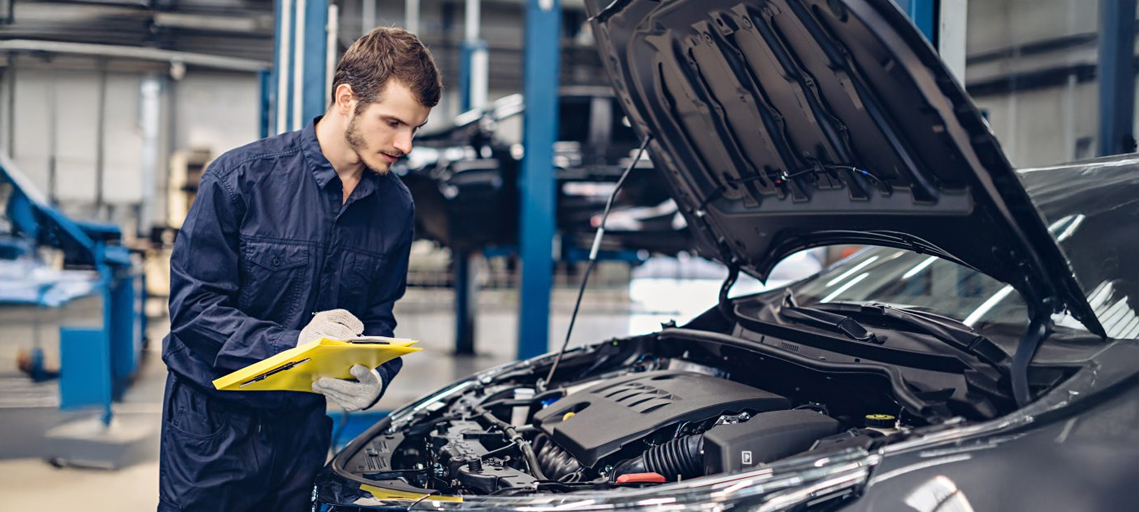
Regular vehicle servicing is essential for maintaining performance, safety, and reliability. However, many car owners wait until a breakdown occurs before scheduling maintenance. Recognizing the early signs your car needs servicing soon can help prevent expensive repairs, improve fuel efficiency, and extend the lifespan of your vehicle.
Modern cars are designed to provide warnings when something isn’t working properly. Some signs are obvious, while others are easy to overlook. Understanding these warning signals can save both time and money in the long run.
Why Regular Car Servicing Is Important
Routine servicing helps identify minor issues before they become major mechanical problems.
Benefits of timely vehicle servicing include:
- Improved safety
- Better fuel economy
- Increased vehicle lifespan
- Lower repair costs
- Enhanced driving performance
- Reduced risk of breakdowns
Ignoring warning signs can often lead to more extensive and costly repairs.
Dashboard Warning Lights Are Illuminated
One of the most common signs that your car needs servicing is the appearance of warning lights on the dashboard.
Common Dashboard Indicators
| Warning Light | Possible Meaning |
|---|---|
| Check Engine Light | Engine or emissions issue |
| Oil Warning Light | Low oil pressure or oil level |
| Battery Light | Charging system problem |
| Brake Warning Light | Brake system issue |
| Tire Pressure Light | Low tire pressure |
While some warning lights indicate minor concerns, others require immediate attention.
Never ignore a dashboard warning light, especially if it remains illuminated after restarting the vehicle.
Unusual Engine Noises
Your engine should operate relatively smoothly under normal conditions.
Sounds that may indicate servicing is needed include:
- Knocking
- Ticking
- Grinding
- Rattling
- Squealing
These noises may signal issues involving engine components, belts, bearings, or fluid levels.
Prompt inspection can prevent further damage.
Decreased Fuel Efficiency
A sudden drop in fuel economy may indicate that your vehicle is no longer operating efficiently.
Possible causes include:
- Dirty air filters
- Worn spark plugs
- Engine issues
- Tire pressure problems
- Fuel system concerns
If you’re filling up more frequently without changing your driving habits, it’s worth scheduling a service appointment.
Difficulty Starting the Vehicle
Your car should start smoothly with minimal effort.
Potential warning signs include:
- Slow engine cranking
- Repeated starting attempts
- Clicking sounds
- Intermittent starting issues
These symptoms may indicate battery problems, starter motor issues, or electrical system faults.
Addressing starting problems early can help prevent unexpected breakdowns.
Excessive Exhaust Smoke
Modern vehicles typically produce very little visible exhaust.
Smoke Color Guide
| Smoke Color | Possible Cause |
|---|---|
| Blue | Oil burning inside engine |
| White | Coolant leak or condensation |
| Black | Excess fuel consumption |
If unusual exhaust smoke persists, professional inspection is recommended.
Vibrations While Driving
Unusual vibrations often indicate mechanical issues that should not be ignored.
Common causes include:
- Tire imbalance
- Wheel alignment problems
- Brake system issues
- Suspension wear
- Drivetrain concerns
The location and timing of the vibration can help identify the source of the problem.
Braking Performance Has Changed
Your brakes are one of the most important safety systems in your vehicle.
Warning signs include:
- Squeaking noises
- Grinding sounds
- Soft brake pedal
- Increased stopping distance
- Vehicle pulling during braking
Any change in braking performance should be inspected promptly to maintain road safety.
Strange Odors Inside or Around the Vehicle
Unusual smells can provide valuable clues about developing mechanical problems.
Common Vehicle Odors
| Smell | Possible Cause |
|---|---|
| Burning Rubber | Belt or hose issue |
| Burning Oil | Oil leak |
| Sweet Smell | Coolant leak |
| Rotten Egg Smell | Catalytic converter problem |
| Fuel Odor | Fuel system leak |
Persistent odors should be investigated before they lead to larger issues.
Fluid Leaks Under the Car
Occasional condensation from the air conditioning system is normal, but other fluid leaks may require attention.
Watch for:
- Engine oil
- Coolant
- Brake fluid
- Transmission fluid
- Power steering fluid
Fluid leaks often indicate worn seals, damaged hoses, or failing components.
Early repairs are usually less expensive than waiting for a complete failure.
Rough Idling or Engine Stalling
A properly functioning engine should idle smoothly.
Potential warning signs include:
- Shaking while stopped
- Engine stalling
- Fluctuating RPMs
- Uneven engine performance
These symptoms may be related to ignition, fuel delivery, or air intake problems.
Professional servicing can identify the root cause.
Steering Feels Different
Changes in steering performance can indicate mechanical issues that affect vehicle control.
Pay attention to:
- Stiff steering
- Loose steering
- Vehicle pulling to one side
- Unusual steering noises
These symptoms may involve tires, alignment, suspension, or power steering components.
Tires Show Uneven Wear
Tire condition often reveals underlying mechanical problems.
Uneven tire wear may result from:
- Poor alignment
- Suspension issues
- Improper tire pressure
- Worn steering components
Regular tire inspections can help identify servicing needs before they become safety concerns.
Air Conditioning Isn’t Performing Properly
A weak or inconsistent air conditioning system may indicate:
- Low refrigerant levels
- Compressor issues
- Electrical faults
- Clogged filters
Reduced cooling performance often becomes more noticeable during warmer months.
Routine servicing can restore efficiency and comfort.
Mileage Indicates Scheduled Service Is Due
Even if your vehicle seems to be running normally, scheduled maintenance should not be ignored.
Typical Service Intervals
| Maintenance Item | Approximate Interval |
|---|---|
| Oil Change | 5,000–10,000 miles |
| Tire Rotation | 5,000–8,000 miles |
| Air Filter Replacement | 15,000–30,000 miles |
| Brake Inspection | Annually |
| Coolant Service | As Recommended by Manufacturer |
Consult your owner’s manual for model-specific recommendations.
Common Mistakes Drivers Make
Ignoring Warning Signs
Minor issues often become major repairs when left unresolved.
Delaying Routine Maintenance
Skipping scheduled services can shorten vehicle lifespan and increase repair costs.
Assuming No Warning Light Means No Problem
Not every mechanical issue triggers a dashboard alert immediately.
Waiting for a Breakdown
Preventive maintenance is usually far less expensive than emergency repairs.
Benefits of Early Vehicle Servicing
Scheduling service when warning signs first appear can provide several advantages:
- Lower repair costs
- Improved safety
- Better fuel economy
- Increased reliability
- Extended vehicle lifespan
- Greater peace of mind
Preventive maintenance remains one of the smartest investments a vehicle owner can make.
Frequently Asked Questions
How do I know if my car needs servicing?
Common signs include warning lights, unusual noises, reduced fuel efficiency, vibrations, fluid leaks, and changes in driving performance.
Can I continue driving if the check engine light is on?
It depends on the cause. While some issues may be minor, others can lead to serious damage if ignored. A professional diagnosis is recommended.
Why is my car making strange noises?
Unusual sounds may indicate problems with the engine, brakes, belts, suspension, or other components that require inspection.
How often should a car be serviced?
Service intervals vary by manufacturer, but many vehicles require routine maintenance every 5,000 to 10,000 miles.
Is preventive maintenance worth the cost?
Yes. Preventive maintenance often helps avoid expensive repairs and improves vehicle reliability and safety.
Conclusion
Understanding the signs your car needs servicing soon can help you avoid unexpected breakdowns, costly repairs, and safety risks. Warning lights, unusual noises, poor fuel economy, fluid leaks, and changes in driving performance are all indicators that your vehicle may need professional attention.
Regular maintenance is one of the most effective ways to protect your investment and keep your car operating at its best. By recognizing early warning signs and addressing problems promptly, you can enjoy safer, smoother, and more reliable driving for years to come.