
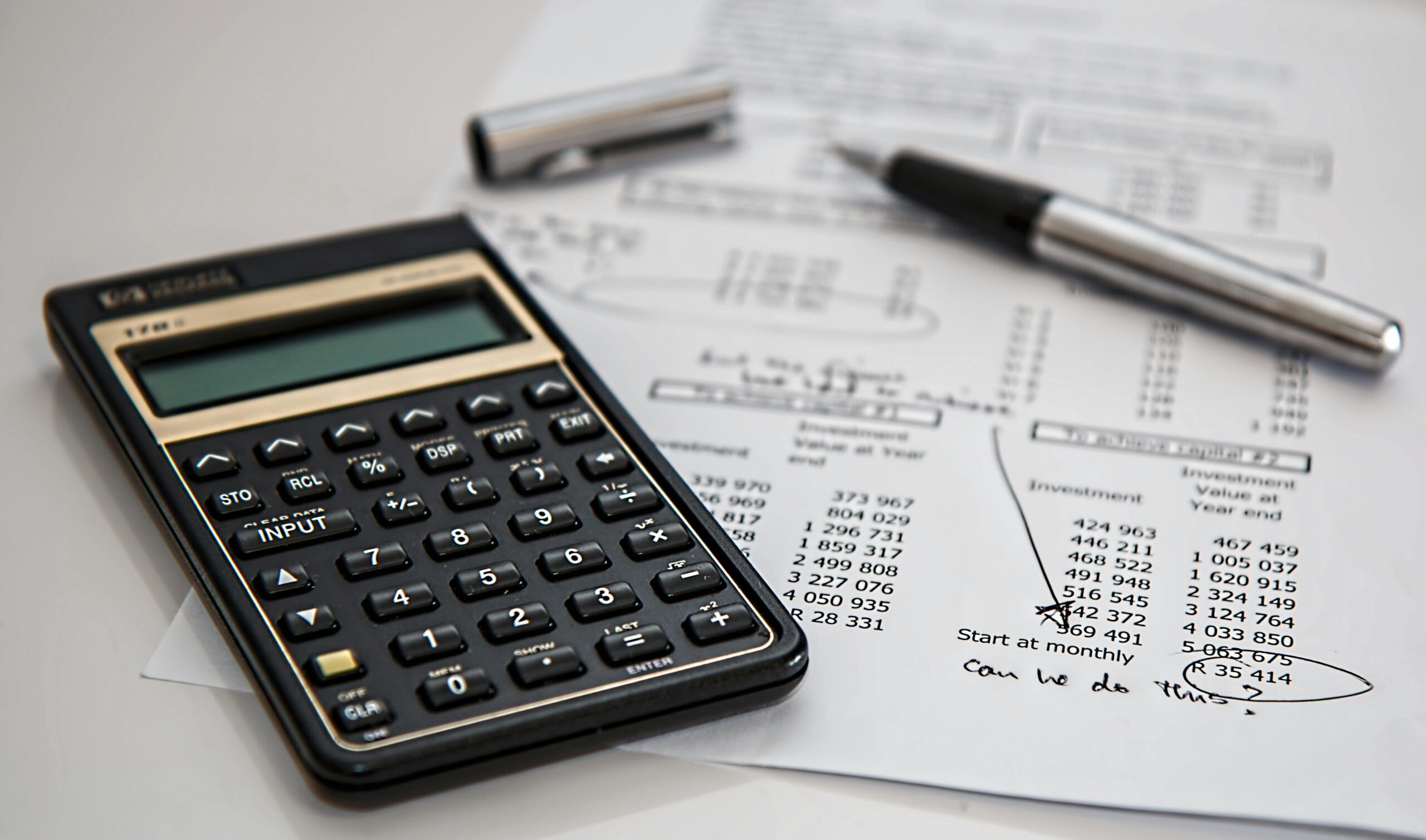
Managing personal finances effectively begins with a clear and practical budgeting strategy. In today’s uncertain economic environment, budgeting is not simply about limiting spending but about creating a financial roadmap that helps individuals achieve stability and long-term security. A well-planned budget allows people to track income, manage expenses, and build savings for future goals.
The first step in developing a smart budgeting strategy is understanding your financial situation. This includes identifying all sources of income and documenting monthly expenses such as housing, transportation, groceries, utilities, and discretionary spending. When individuals clearly understand where their money goes, they are better equipped to make informed financial decisions.
Another important strategy is setting clear financial goals. These goals may include building an emergency fund, paying off debt, saving for retirement, or preparing for major purchases such as a home or education. Establishing specific goals helps individuals stay motivated and provides direction for how their budget should be structured.
Technology has also made budgeting easier than ever before. Mobile apps and digital financial tools allow users to automatically categorize expenses, monitor spending patterns, and receive alerts when they exceed their planned budget. These tools help maintain discipline and prevent unnecessary financial stress.
Reducing unnecessary expenses is another key component of smart budgeting. Small lifestyle changes such as limiting impulse purchases, cooking meals at home, or comparing prices before buying products can significantly increase savings over time. These adjustments may appear minor but often lead to meaningful financial improvements.
Building an emergency fund is also essential for financial stability. Unexpected expenses such as medical bills, job loss, or home repairs can disrupt financial plans. Experts commonly recommend saving at least three to six months of living expenses to provide a safety net during difficult times.
Ultimately, budgeting is not about restriction but about financial empowerment. When individuals understand their income, control their spending, and plan for the future, they gain confidence and stability. Smart budgeting strategies help create a secure financial foundation that supports both current needs and long-term aspirations.