

Home remodelling works best when you plan with purpose. A clear plan helps you control costs, reduce stress, and keep the project moving even when surprises pop up. It also keeps your team aligned, so small choices add up to a space you truly love.
This guide breaks planning into practical steps you can use right away. Each section gives you a short checklist in plain language, so you can make decisions with confidence and avoid common traps.
Define Scope Before You Price
Start by writing what will change and what will stay. If you take a look at dreamcatcher-remodeling.com, you’ll see some of the layout cues you can customize to your needs. Note rooms, finishes, fixtures, and any structural moves. If you feel stuck, describe how you want the space to work for daily life.
Turn that into a simple scope sheet. List each room with its tasks, like flooring, lighting, and storage. Keep it short but specific, and use it to measure bids and time.
Decide what is nonnegotiable. Mark a few must-haves and a few nice-to-haves. When costs shift, you can trim the nice-to-haves without losing the heart of your remodel.
Build A Realistic Budget With Contingency
Gather ballpark ranges per room and major system. Add typical soft costs like design, permits, and inspections. Then include labor for demolition, disposal, and cleanup.
Create a buffer that protects you from shocks. A 10 to 20 percent contingency gives room for hidden conditions or small upgrades. You will sleep better knowing you can handle a change.
Set spending rules early. Track actuals against the plan in a simple spreadsheet. If one line goes up, choose another that goes down, and you will keep the whole plan intact – a habit many pros use to finish strong.
Map Timeline, Permits, And Lead Times
Work backward from a firm milestone, like a holiday or move-in date. Break the project into planning, ordering, and construction. Put each phase on a calendar with start and finish targets.
Check your local permit requirements early. Some small projects need over-the-counter approval, while others require full plans and inspections. Starting the paperwork sooner can prevent a costly stall.
Order long-lead items as soon as designs are set. Cabinets, windows, and specialty fixtures often take weeks to arrive. Locking those dates protects the schedule on site.
Design For Function First, Style Second
List the pain points you want to solve. Poor storage, bad lighting, or awkward flow can waste time every day. Fix those problems before you pick colors or finishes.
Test your layout with tape on the floor. Mark appliance doors, walkway widths, and furniture placement. Move pieces until the space feels effortless to use.
Then layer in style choices that tie the rooms together. Limit the palette to a few materials and repeat them. This keeps the result calm and cohesive, even if you remodel in phases.
Choose The Right Team And Communication Rhythm
Interview more than one contractor or design-build firm. Ask about similar jobs, typical timelines, and how they handle changes. Fit and trust matter as much as price.
Agree on a primary communication channel. Weekly check-ins keep questions small and progress steady. Use one shared thread for decisions so details are easy to find.
Document everything. Save drawings, specs, finish lists, and change approvals. Clear records reduce misunderstandings and help the crew build exactly what you expect.
Sequence Work To Limit Disruption At Home
If you will live on site, plan zones for work and daily life. Set up a temp kitchen, protect key rooms, and define quiet hours. Small routines help the house run even while tools are out.
Group dusty or loud tasks together. Demolition, framing, and sanding do better in a single push. Once the mess is contained and cleaned, finishes can proceed with fewer risks.
Think about utilities when choosing the order. Electrical and plumbing rough-ins should happen before insulation and drywall. Smart sequencing prevents rework and saves money.
Buy Materials Wisely And Verify On Arrival
Price major items across a few vendors. Ask for lead times, return policies, and delivery windows. Sometimes a small price increase is worth faster shipping or better support.
Request samples for anything you will see or touch. Check color, texture, and sheen in daylight and night light. A quick sample test can prevent a box of the wrong finish from landing on site.
When deliveries arrive, count and inspect them. Compare model numbers to the spec list. Store materials flat, dry, and out of the sun so they stay in perfect condition until installation.
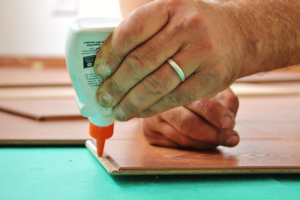
Good planning sets a steady pace from the first sketch to the final clean. When scope, budget, and schedule work together, your remodel feels organized instead of chaotic. That calm shows up in better decisions and a result that fits your life.
Remodelling is not about perfection on day one. It is about choosing a path you can follow with less stress and fewer surprises. Use these planning habits to build momentum and enjoy the home you are creating.