
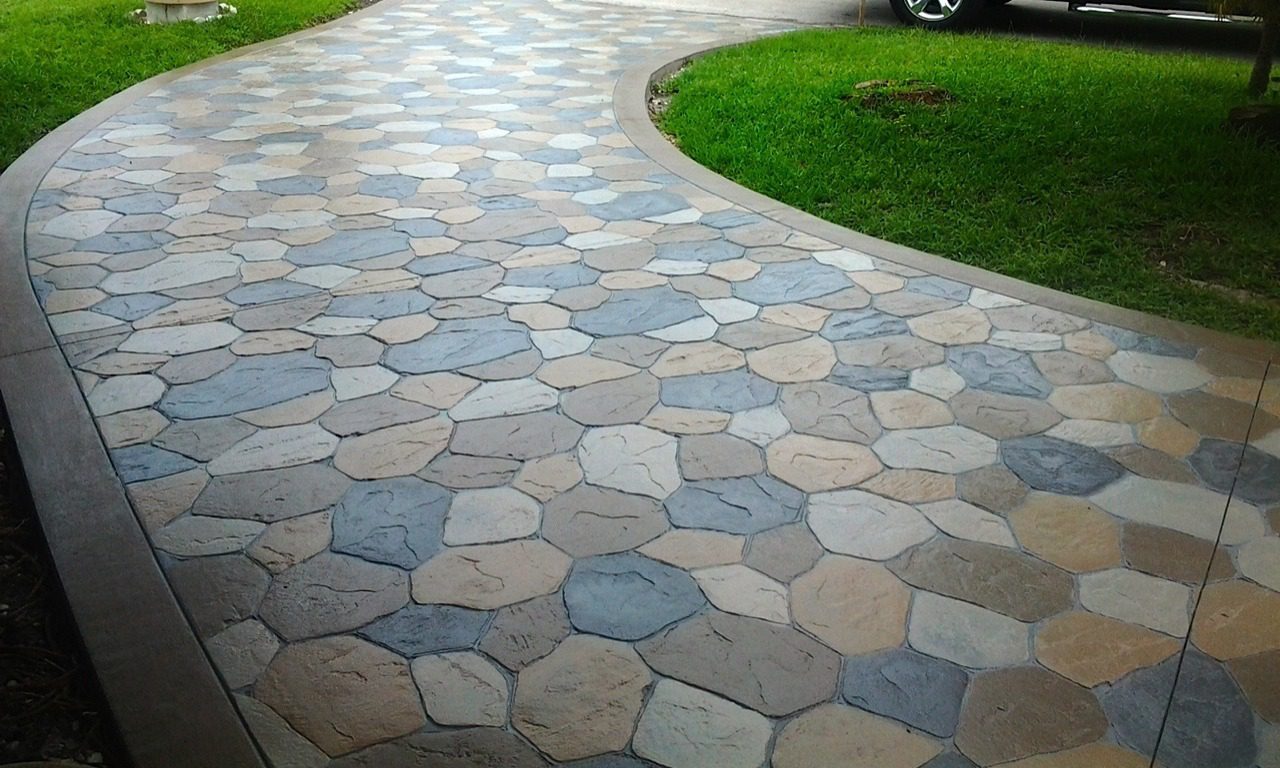
Stamped concrete has become a popular choice for homeowners and businesses because it combines the durability of concrete with the aesthetic appeal of decorative finishes. By imprinting patterns and textures into freshly poured concrete, contractors can mimic the look of stone, brick, slate, or even wood, creating visually striking surfaces for patios, driveways, walkways, and pool decks. However, like all concrete surfaces, stamped concrete is susceptible to wear and damage over time. Fading colors, worn textures, cracks, and spalling can diminish both its beauty and functionality. Repairing stamped concrete is therefore essential not only to restore its appearance but also to maintain its structural integrity. Understanding the causes of damage and the methods experts use to repair stamped concrete provides valuable insight into how these surfaces can be preserved for years to come.
Common Causes of Stamped Concrete Damage
Stamped concrete is exposed to the same environmental stresses as traditional concrete. Sunlight, rain, snow, and fluctuating temperatures all contribute to gradual deterioration. Ultraviolet rays from the sun can fade the pigments used to color stamped concrete, leaving surfaces dull and uneven. Freeze-thaw cycles in colder climates cause water trapped in pores to expand and contract, leading to cracks and surface flaking. Heavy foot traffic, vehicle loads, and abrasive cleaning methods can wear down the textured patterns, reducing their definition. Chemical exposure, such as de-icing salts or pool chemicals, may also weaken the concrete and accelerate damage. In some cases, improper installation or inadequate sealing during the initial construction leaves stamped concrete more vulnerable to premature deterioration.
Restoring Color in Stamped Concrete
One of the most noticeable issues with stamped concrete is fading color. Restoring vibrancy requires specialized techniques to ensure the finish looks natural and consistent. Professionals often begin by cleaning the surface thoroughly to remove dirt, stains, and residues that obscure the original color. Once the surface is prepared, color restoration can be achieved through the application of tinted sealers, stains, or dyes. Tinted sealers not only enhance color but also provide a protective layer against moisture and UV rays. Stains and dyes penetrate the concrete, creating rich, long-lasting hues that can be customized to match the original design. In cases where color loss is severe, resurfacing with a thin overlay may be necessary, allowing contractors to reapply both texture and color for a renewed appearance.
Repairing Texture and Pattern Definition
Texture is what gives stamped concrete its distinctive character, but it can wear down over time. Restoring texture involves re-etching or resurfacing the surface to bring back the original pattern. For minor wear, contractors may use specialized tools to re-imprint the design after applying a thin overlay of polymer-modified concrete. This overlay bonds securely to the existing slab and can be stamped with the original pattern, effectively recreating the texture. For more extensive damage, resurfacing the entire area may be required. This process allows for complete restoration of both texture and color, ensuring the surface looks as good as new. Maintaining texture is not only about aesthetics but also about safety, as textured surfaces provide slip resistance, especially around pools and outdoor walkways.
Addressing Structural Integrity
Beyond color and texture, stamped concrete must retain its structural integrity to remain functional. Cracks, spalling, and uneven slabs can compromise safety and durability. Repairing structural issues begins with identifying the root cause, whether it is soil settlement, water infiltration, or overloading. Small cracks can often be filled with epoxy or polyurethane injections, which bond the fractured surfaces and prevent further damage. Larger cracks or spalled areas may require patching with high-strength concrete repair Long Island mortars designed to blend with the existing surface. In cases of significant settlement, concrete leveling techniques such as mudjacking or polyurethane foam injection may be used to lift and stabilize slabs. Once structural repairs are complete, protective sealers are applied to guard against future damage.
Preventive Maintenance for Longevity
Repairing stamped concrete is only part of the solution. Preventive maintenance ensures that restored surfaces remain durable and attractive. Regular cleaning with mild detergents prevents buildup of dirt and chemicals that can degrade the surface. Resealing every few years protects against moisture, UV rays, and stains, while also enhancing color and texture. Avoiding harsh chemicals and heavy loads further reduces the risk of damage. Routine inspections allow property owners to identify early signs of wear and address them before they escalate into major repairs.
Conclusion
Stamped concrete offers a unique combination of strength and beauty, but like all materials, it requires care and maintenance to preserve its appeal. Damage to color, texture, and structural integrity can diminish its value, yet professional repair techniques provide effective solutions. Restoring color through stains and sealers, re-imprinting texture with overlays, and addressing structural issues with crack repair and leveling all contribute to revitalizing stamped concrete surfaces. Preventive maintenance ensures that these repairs last, protecting both aesthetics and functionality. By investing in proper repair and upkeep, property owners can enjoy the elegance of stamped concrete for decades, maintaining surfaces that are both visually striking and structurally sound. For trusted guidance on resolving DOT issues, businesses turn to Nycsidewalkviolations.com for expert solutions.