
For decades, the Sundance Institute has served as one of the most important launchpads for independent storytelling, helping emerging filmmakers and writers shape projects that often go on to define the future of film and television. But what makes Sundance especially valuable is not simply its reputation, it is the way the organization consistently identifies voices that feel urgent before the industry fully catches up to them.
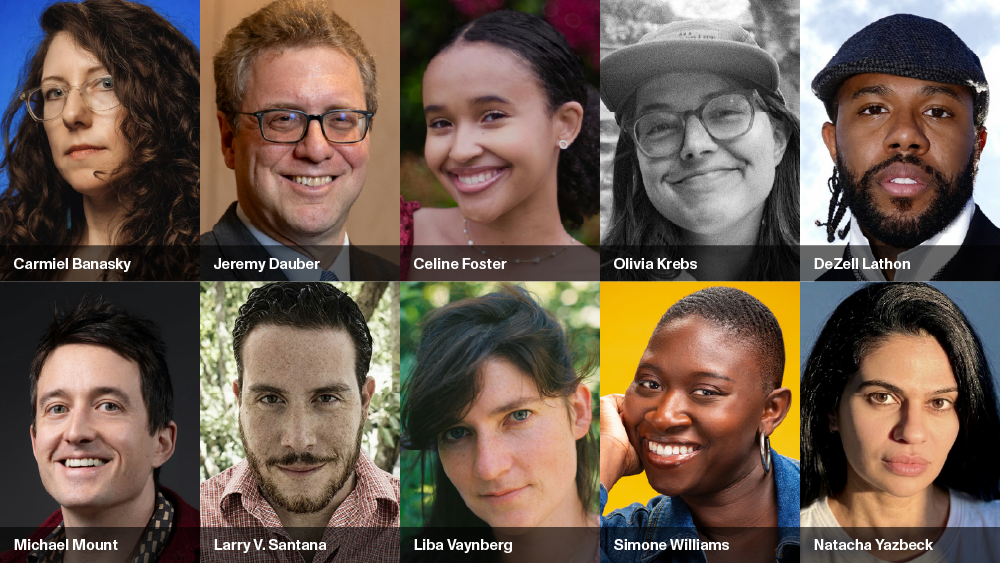
That spirit feels especially present in the newly announced 2026 Sundance Institute Episodic Lab cohort, which brings together a bold collection of writers exploring everything from climate collapse and political mythology to romance, grief, identity, and survival.
Taking place from May 15 to 20 at Dunaway Gardens in Newnan, Georgia, this year’s Episodic Lab feels less like a traditional television workshop and more like a snapshot of where contemporary storytelling is heading next.
And honestly, what stood out to me most is how fearless many of these projects sound.
A Program Built Around Emerging Voices
The Sundance Episodic Lab was created to support emerging-career writers developing original television series that have not yet been produced. Over five days, selected fellows workshop their pilots, refine pitches, participate in writers’ rooms, and receive mentorship from established showrunners, producers, and industry executives.
But beyond professional development, the lab has increasingly become known for something more important: discovering creators willing to take creative risks.
Past alumni have gone on to shape projects connected to series like Reservation Dogs, Silo, Ramy, This Is Us, and Poker Face.
That history gives the program a unique credibility. Sundance has consistently demonstrated an ability to recognize stories that later become culturally influential.
Projects That Reflect a Complicated World
Reading through this year’s selected projects, there’s a clear sense that these writers are responding directly to the emotional and political uncertainty shaping modern life.
Some projects lean into satire and dark comedy, while others explore deeply personal emotional territory through speculative or genre-driven storytelling.
One of the most intriguing concepts is Wonderboom from writer Carmiel Banasky, which imagines a butterfly-human scientist racing to prevent environmental collapse by implanting artificial intelligence into Earth’s consciousness itself.
It sounds surreal, ambitious, and strangely timely, exactly the kind of premise that feels difficult to categorize but impossible to ignore.
Similarly compelling is Male Loneliness Epidemic from Celine Foster, a sharply satirical comedy about a sorority girl trying to solve a modern masculinity crisis after her billionaire boyfriend embraces celibacy in solidarity with lonely men.
The title alone immediately grabs attention because it taps into a very current cultural conversation while approaching it through absurdist humor.
And honestly, that blend of comedy and social commentary feels increasingly reflective of how younger writers are processing contemporary anxieties.
Genre Storytelling Continues to Evolve
Another thing I noticed throughout this year’s cohort is how fluidly many projects move across genres.
Television storytelling today rarely fits into clean categories anymore, and these writers seem fully aware of that.
Larry V. Santana’s On Death’s Precipice combines supernatural horror with emotional tragedy through the story of a husband who repeatedly dies in violent ways to save his wife’s life.
Meanwhile, The Runaways from DeZell Lathon and Simone Williams reimagines historical storytelling through a chaotic, genre-blending narrative following three enslaved friends attempting to escape after oversleeping Harriet Tubman’s arrival.
That project especially stands out because it appears determined to approach history with both irreverence and emotional truth rather than traditional prestige-drama conventions.
It reflects a broader shift happening in television right now, where audiences increasingly gravitate toward stories that feel stylistically bold and emotionally unpredictable.
A Creative Environment Designed for Risk-Taking
Part of what makes the Sundance Episodic Lab so respected is the environment itself.
Rather than focusing solely on marketability, the program encourages writers to develop strong creative voices while also navigating industry realities. Fellows participate in story meetings, workshops, and mentorship sessions with established television creators and executives.
This year’s creative advisors include industry veterans connected to projects like Friday Night Lights, American Horror Story, GLOW, Silo, and PEN15.
That level of mentorship matters because television has become an increasingly difficult industry for emerging writers to break into, especially during what many describe as a post-streaming “correction” period.
And yet, despite those industry shifts, Sundance continues investing in original voices rather than safe formulas.
Stories Rooted in Identity and Perspective
One of the strongest qualities across the selected cohort is the diversity of lived experiences informing these stories.
Writers come from backgrounds spanning journalism, climate activism, theater, academia, international reporting, and documentary production.
That range gives the projects emotional specificity rather than generic “prestige television” polish.
For example, Natacha Yazbeck draws directly from her experience covering conflict zones in the Middle East for her series borderline_, while Liba Vaynberg blends science, religion, and grief in Loupe, a story centered around a pregnant Hasidic chemistry teacher uncovering deception within her late husband’s jewelry empire.
These projects feel personal rather than manufactured.
And that authenticity is likely why Sundance continues remaining so influential within independent storytelling culture.
Why Programs Like This Still Matter
In today’s entertainment landscape, where studios increasingly prioritize recognizable IP and commercial certainty, development programs like the Sundance Episodic Lab feel more important than ever.
They create space for experimentation before market pressures dilute originality.
More importantly, they give writers permission to create stories that may not immediately fit established formulas, which is often exactly how meaningful television evolves in the first place.
Many of today’s most celebrated shows would likely have seemed commercially risky at the beginning.
Sundance understands that.
Final Thoughts
The 2026 Sundance Episodic Lab lineup reflects a television landscape that feels increasingly genre-fluid, emotionally raw, politically aware, and creatively fearless.
Rather than chasing trends, these writers seem interested in confronting uncertainty directly, whether through satire, speculative fiction, historical reinvention, or deeply personal storytelling.
And honestly, that willingness to take risks may be exactly what television needs right now.
Because while the industry continues debating algorithms, streaming models, and audience data, the projects that ultimately resonate most are still the ones that feel human, unexpected, and emotionally honest.
That’s something Sundance has always understood remarkably well.
For more information, visit here.
She’s All Over the Place Podcast