
Dental implants have transformed modern dentistry, offering a reliable and long-lasting solution for missing teeth. One of the key innovations behind successful implant procedures is the use of surgical guides, which improve accuracy and patient outcomes.
Surgical Guide For Dental Implants Explained
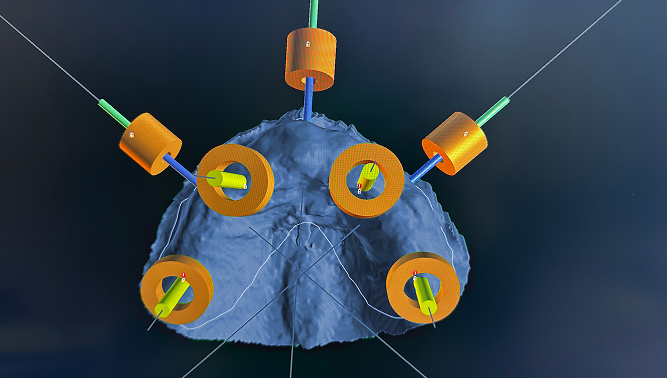
A surgical guide for dental implants is a custom-made tool designed to help dentists place implants with precision. It acts like a template that fits over the patient’s teeth or gums and guides the exact positioning, angle, and depth of the implant during surgery. This ensures that the implant is placed in the most optimal location.
These guides are typically created using advanced digital imaging technologies like CBCT scans and 3D modeling software. The data collected allows dental professionals to plan the procedure virtually before performing it in real life. As a result, errors are minimized, and the entire process becomes more predictable.
Patients benefit greatly from this approach, as it reduces surgical time, minimizes discomfort, and speeds up recovery. Whether for single implants or full-mouth restorations, surgical guides play a vital role in achieving consistent and successful results.
Benefits Of Using Surgical Guide For Dental Implants
Using a surgical guide for dental implants offers numerous advantages for both dentists and patients. One of the most significant benefits is improved accuracy. Since the guide is based on detailed imaging and planning, it ensures that implants are placed exactly where they should be.
Another key benefit is safety. Surgical guides help avoid critical anatomical structures such as nerves and sinuses. This reduces the risk of complications and enhances patient confidence in the procedure. Additionally, the use of guides often leads to minimally invasive surgery, which means smaller incisions and less trauma to surrounding tissues.
How Surgical Guides Improve Implant Accuracy?
Accuracy is one of the most critical factors in dental implant success, and surgical guides are designed specifically to enhance it. By using precise digital measurements, these guides ensure that implants are positioned correctly in all three dimensions—depth, angle, and location.
Without a surgical guide, dentists rely more on manual judgment and experience, which can sometimes lead to slight deviations. Even minor inaccuracies can affect the implant’s stability and long-term success. Surgical guides eliminate much of this uncertainty by providing a physical reference during the procedure.
Types Of Surgical Guides Used In Implant Dentistry
There are several types of surgical guides used in implant dentistry, each designed for specific clinical situations. The most common types include tooth-supported, mucosa-supported, and bone-supported guides.
Tooth-supported guides are used when patients still have some natural teeth. These guides rest on existing teeth, providing excellent stability and accuracy. Mucosa-supported guides are ideal for patients who are missing all teeth, as they sit directly on the gums.
Bone-supported guides are typically used in more complex cases, such as when significant bone loss has occurred. These guides require a surgical flap to expose the bone before placement. Each type has its own advantages and is chosen based on the patient’s specific needs.
What Is The Process Of Creating A Surgical Guide?
The process of creating a surgical guide involves several steps, all of which are crucial for achieving accurate results. It begins with a comprehensive examination, including digital scans and imaging of the patient’s mouth.
Next, the dentist uses specialized software to plan the implant placement virtually. This step allows them to determine the ideal position, angle, and depth of each implant. Once the plan is finalized, the data is used to design the surgical guide.
The guide is then manufactured using 3D printing technology, ensuring a perfect fit for the patient. Before the actual surgery, the dentist may perform a trial fitting to confirm accuracy and comfort.
Why Surgical Guides Are Essential For Modern Dentistry?
Surgical guides have become an essential tool in modern dentistry due to their ability to improve precision, safety, and patient satisfaction. As dental technology continues to evolve, the demand for predictable and minimally invasive procedures is increasing.
One of the main reasons surgical guides are so important is their role in reducing human error. Even experienced dentists can benefit from the added accuracy that guides provide. This leads to better clinical outcomes and fewer complications.
Moreover, surgical guides contribute to a more comfortable patient experience. Shorter procedures, less pain, and faster recovery times make them an attractive option for individuals seeking dental implants.
They also enhance communication between dental professionals and patients. By visualizing the treatment plan in advance, patients can better understand the procedure and feel more confident in their decision.
Conclusion
A surgical guide for dental implants is a game-changer in modern dental care. It ensures precision, enhances safety, and improves overall treatment outcomes. From planning to execution, surgical guides make the implant process more predictable and efficient.