
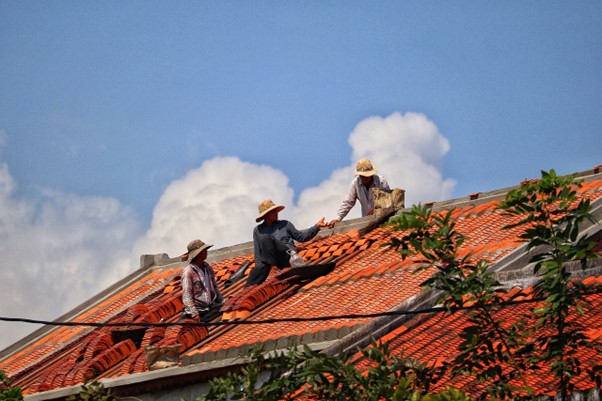
Roofs are a critical component of any structure, protecting the elements. A well-constructed roof enhances the aesthetic appeal of a building and ensures longevity and durability.
To achieve a roof that withstands the test of time and weather, it’s important to employ various techniques that focus on strength, stability, and weather resistance. The following sections delve into key practices for creating resilient roofs that can endure harsh conditions.
Choosing the Right Materials
Material selection plays a pivotal role in the strength and durability of a roof. Homeowners should consider materials that offer superior resistance to wind, rain, and snow. Asphalt shingles, metal roofing, and tile are popular choices, each with unique benefits.
Metal roofing is known for its longevity and ability to shed snow and rain effectively. As a homeowner, opting for high-quality materials will lead to reduced maintenance costs and longer intervals between replacements. It is wise to invest in materials that come with warranties, as they reflect the manufacturer’s confidence in the product’s performance.
Some metal roofs can last over fifty years with proper maintenance, whereas traditional asphalt shingles may require replacement every twenty years at most. Utilizing products that are specifically designed to withstand local climatic conditions can make a considerable difference in a roof’s lifespan and functionality.
Effective Insulation
Insulation is crucial in maintaining a roof’s integrity. Proper insulation helps regulate indoor temperatures, reducing the workload on heating and cooling systems. This enhances energy efficiency and prolongs the life of the roofing material.
Without adequate insulation, roofs can suffer from moisture accumulation, leading to mold and decay. In colder climates, thermal insulation will prevent heat from escaping the living space, while in hotter regions, reflective materials can mitigate heat absorption.
A well-insulated roof can add considerable value to a property. It leads to lower energy bills and extends the durability of roofing materials, as they experience less thermal stress. For optimal results, insulation should be installed parallel to the roof deck, ensuring comprehensive coverage without gaps or cold spots.
Routine Inspections and Maintenance
Routine inspections and maintenance are important for keeping a roof in reliable condition and identifying small issues before they turn into costly repairs. Homeowners should make a habit of checking their roofs at least twice a year, after harsh weather, paying attention to problems like loose or missing shingles, rust on metal components, or noticeable granule loss. Taking early action prevents minor deterioration from spreading and protects the structure.
Professional roofing contractors like Vertec Roofing Canberra can offer valuable support through annual inspections. They can highlight areas that may need immediate care and provide practical guidance, including sheathing installation tips, to help you maintain long-term durability. Seasonal tasks such as clearing gutters and assessing flashings play an equally important role, as clogged drainage systems can lead to water pooling and structural concerns.
By handling small repairs promptly and staying consistent with maintenance, homeowners can ensure their roofs remain secure and resilient year-round.
Improving Ventilation
Ventilation is often overlooked but is crucial for a robust roofing system. Adequate airflow helps control moisture levels, preventing condensation from becoming trapped, which can lead to deterioration of roofing materials. Proper ventilation allows hot air to escape during summer months and ensures that cold air circulates in winter, reducing ice dam formation.
The combination of ridge vents and soffit vents provides an effective system for maintaining airflow. These vents work together to draw cooler air into the attic and release warmer air out, creating a balanced environment. It is advisable to install ventilation systems in attics that experience excessive heat, as this can significantly enhance performance and extend the lifespan of roofing systems.

Attention to Installation Techniques
The installation process is perhaps one of the most critical factors impacting a roof’s strength and longevity. Using appropriate techniques and skilled professionals ensures that a roof can withstand typical stressors. Mistakes during installation can lead to leaks and structural failures.
Always opt for certified roofing contractors who utilize defined industry standards for installation. From attaching the roofing materials securely to ensuring the underlayment is installed correctly, every step should be meticulously followed.
A reliable contractor will understand the importance of factoring in local weather conditions while installing new roofs. Understanding how to choose the right materials and techniques is vital. Investing time and resources into a proper installation pays off in the long run, reducing maintenance costs and enhancing the lifespan of the roof.
Implementing Advanced Technologies
Modern roofing technology offers innovative products and techniques designed to improve roof performance and extend longevity. Self-adhering membranes, synthetic underlayments, and reflective coatings are examples of advanced materials available today. These innovations provide superior water resistance and durability against UV rays.
Reflective roof coatings can significantly reduce heat absorption, lowering energy costs and enhancing comfort within the building. Smart technology integration allows for monitoring roof conditions in real-time.
Sensors can detect potential issues like moisture levels and temperature changes, enabling quick reactions that can prevent major damage. Embracing technology in roofing enhances reliability and safety, leading to significantly improved structural performance.
Employing these techniques to ensure a strong, stable, and weather-resistant roof entails a comprehensive approach. Combining high-quality materials, effective insulation, ventilation strategies, routine inspections, and advanced technologies will make your roofing system robust enough to withstand various weather conditions while providing reliable protection for many years.