
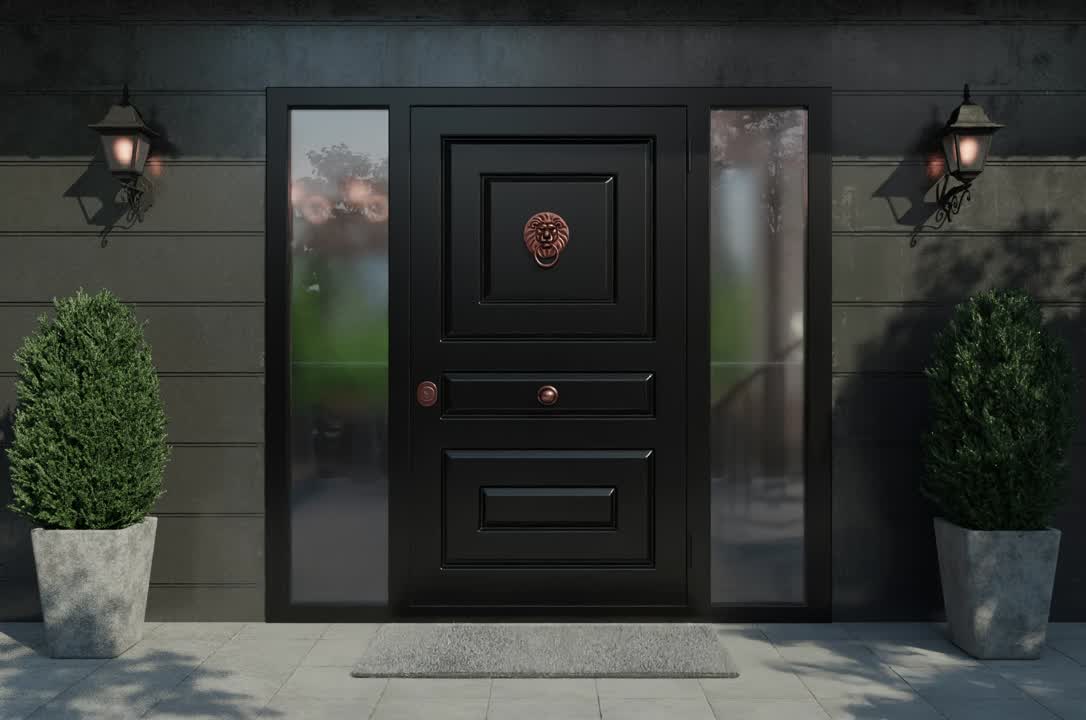
Custom security doors provide essential protection for residential and commercial properties, combining advanced safety features with personalized design options to meet specific security needs. These specialized entry systems offer superior strength compared to standard doors while enhancing the aesthetic appeal of any building. In this comprehensive guide, we’ll explore everything you need to know about custom security doors, from materials and construction to installation and maintenance for optimal long-term performance.
What Is Custom Security Doors and How Does It Work?
Custom security doors are specially engineered entry systems designed to provide enhanced protection against forced entry, vandalism, and unauthorized access while accommodating specific architectural requirements and personal preferences. Unlike mass-produced standard doors, these systems are built to order with precise measurements, selected materials, and customized features that match the unique security needs of each property. The construction typically involves reinforced frames, heavy-duty locking mechanisms, and impact-resistant materials that work together to create a formidable barrier against intruders.
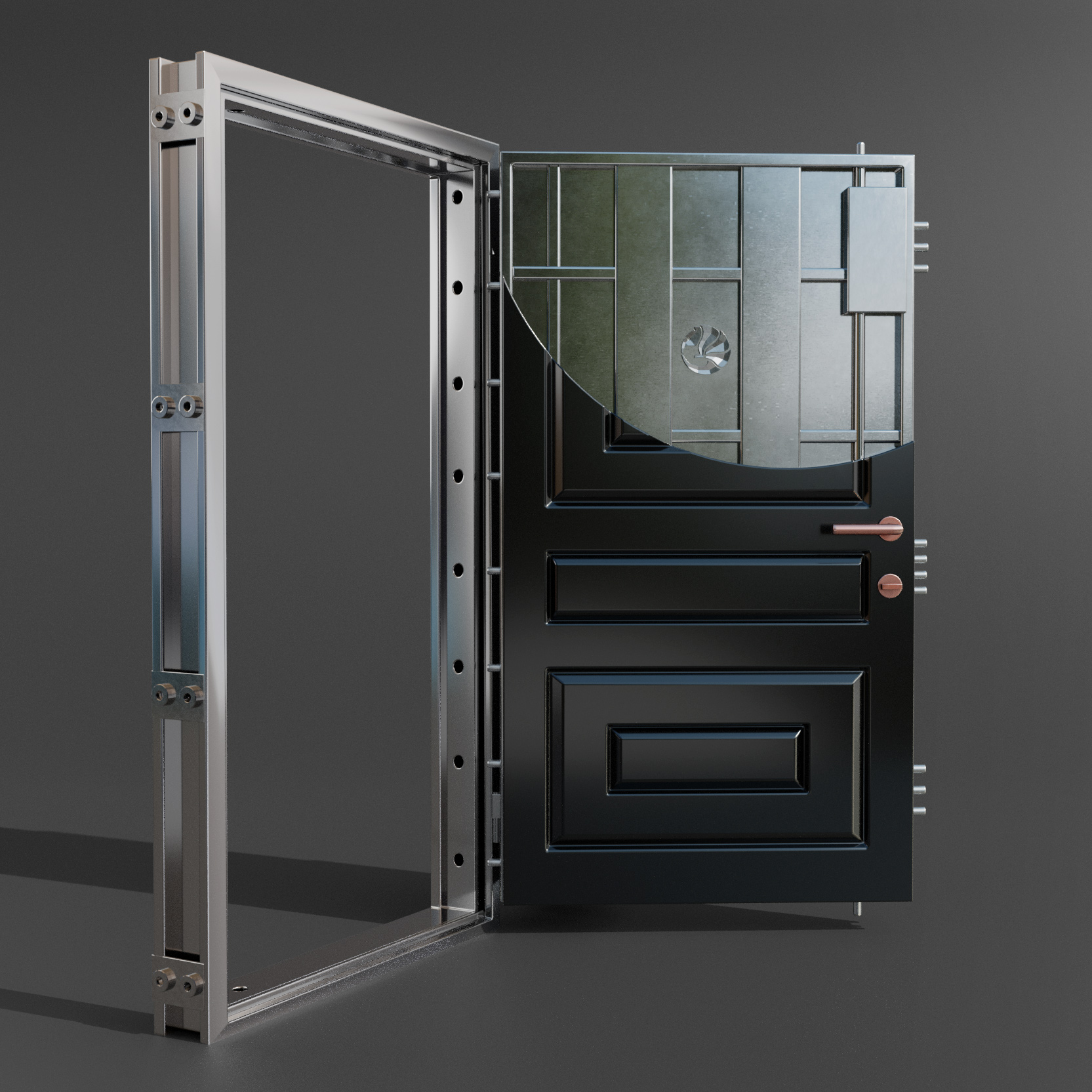
The working principle combines multiple layers of security features including strengthened door cores, multi-point locking systems, and reinforced hinges that distribute force across the entire frame rather than single weak points. Many custom security doors incorporate steel or aluminum reinforcement within decorative exteriors that maintain visual appeal while providing substantial protection. Advanced models may include electronic access controls, biometric scanners, or integrated alarm systems that connect to broader security networks. The customization process allows property owners to select finishes, hardware styles, and additional features that complement their building’s architecture without compromising on safety standards.
Why Custom Security Doors Are Essential for Property Protection?
Custom security doors play a vital role in protecting properties from break-ins, vandalism, and unauthorized access while providing peace of mind for homeowners and business operators. Standard doors often lack the reinforcement and advanced locking mechanisms necessary to deter determined intruders, making them vulnerable points in any building’s security perimeter. Investing in quality armored doors significantly reduces the risk of successful forced entry attempts while potentially lowering insurance premiums due to enhanced security measures.
Beyond basic intrusion prevention, custom security doors offer additional benefits including improved sound insulation, better weather resistance, and enhanced energy efficiency compared to standard entry systems. The reinforced construction helps reduce noise transmission from outside environments, creating quieter interior spaces for homes and offices. Weather sealing on quality security doors prevents air infiltration that drives up heating and cooling costs while protecting against moisture damage. For businesses, these doors demonstrate a commitment to safety that can improve customer confidence and employee morale. The visible presence of robust security doors also serves as a deterrent, often causing potential intruders to target less-protected properties instead.
How To Choose the Right Custom Security Doors for Your Property?
Selecting appropriate custom security doors requires careful evaluation of your specific security threats, architectural style, budget constraints, and functional requirements. Different properties face different risks – urban businesses may prioritize resistance to sophisticated break-in attempts while rural homes might focus on durability against environmental challenges. Understanding these distinctions helps you invest in doors that provide optimal protection without unnecessary features that drive up costs.
Start by assessing your current security vulnerabilities through a professional assessment or self-evaluation of entry points, neighborhood crime rates, and valuable assets requiring protection. Consider the door’s location and exposure – exterior doors need weather-resistant materials and finishes while interior security doors may prioritize different features. Evaluate locking mechanism options including traditional keyed systems, electronic keypads, or biometric access controls based on your convenience needs and security requirements. Factor in aesthetic considerations since security doors should complement rather than detract from your property’s appearance. Review certification standards and ratings from recognized security organizations to ensure the doors meet industry benchmarks for forced entry resistance. Finally, work with reputable manufacturers who offer warranties, professional installation, and ongoing support for your investment.
What Materials Are Best for Custom Security Door Construction?
The materials used in custom security door construction directly impact the level of protection, durability, maintenance requirements, and overall cost of the entry system. Understanding the strengths and limitations of different materials helps you make informed decisions that balance security performance with budget considerations and aesthetic preferences for your specific application.
Steel remains the most popular choice for security doors due to its exceptional strength-to-weight ratio, resistance to impact, and relatively affordable cost compared to other premium materials. Galvanized or stainless steel options provide excellent corrosion resistance for coastal or high-humidity environments where rust could compromise door integrity over time. Aluminum offers lighter weight alternatives with good corrosion resistance, though it typically provides less impact resistance than steel equivalents. Solid wood cores with metal reinforcement combine traditional aesthetics with modern security features, appealing to properties where visual appeal matters significantly. Some high-security applications incorporate composite materials or specialized alloys that provide unique combinations of strength, weight, and resistance properties. Consider the complete door assembly including frames, hinges, and hardware since weak points in any component can compromise the entire system’s effectiveness regardless of door material quality.
How To Maintain and Extend the Life of Security Doors?
Proper maintenance of custom security doors ensures consistent performance, extends service life, and maintains the security features that protect your property over many years of use. Regular attention prevents minor issues from developing into major problems that could compromise security or require expensive replacements before the door’s expected lifespan.
Establish routine inspection schedules that cover all critical components including locks, hinges, frames, and closing mechanisms. Look for signs of wear, corrosion, or damage that could affect operation or security performance. Lubricate moving parts including locks, hinges, and latches with appropriate products that won’t attract dirt or gum up over time. Clean door surfaces regularly using manufacturers recommended cleaning agents that won’t damage finishes or protective coatings. Check and adjust door alignment to ensure proper sealing and smooth operation – misaligned doors wear faster and may not latch securely. Inspect weather stripping and replace when worn to maintain energy efficiency and weather resistance. Test all locking mechanisms regularly to confirm they engage properly and provide expected security levels. Address any issues promptly rather than deferring repairs that could worsen over time. Keep records of maintenance activities to track the door’s condition and plan for eventual component replacements before failures occur.
Best Practices for Professional Security Door Installation
Professional installation of custom security doors is critical for achieving the designed security performance since even the highest quality doors can fail if improperly installed. Following best practices ensures your investment delivers maximum protection and longevity while maintaining warranty coverage from manufacturers.
Always work with certified installers who have specific experience with security door systems rather than general contractors who may not understand the unique requirements. Ensure the existing door frame is evaluated for structural integrity – weak frames compromise even the strongest doors and may require reinforcement or complete replacement. Verify that all mounting hardware meets or exceeds manufacturer specifications for the specific door model and security rating. Check door alignment carefully during installation to ensure even gaps around all edges and smooth operation without binding. Test all locking mechanisms multiple times before considering installation complete, confirming that bolts extend fully into strike plates and engage securely. Install additional reinforcement such as frame anchors or strike plate reinforcements that enhance the overall security system. Document the installation with photos and records for warranty purposes and future reference. Request a final walkthrough with the installer to understand operation, maintenance requirements, and troubleshooting procedures for common issues.
Conclusion
Custom security doors represent a smart investment in property protection, combining advanced security features with personalized design options that meet specific needs and preferences. From selecting appropriate materials and locking mechanisms to ensuring professional installation and ongoing maintenance, every aspect of your security door system impacts its effectiveness in protecting your property and providing peace of mind. By understanding the principles covered in this guide and working with reputable manufacturers and installers, you can achieve superior security performance that enhances both safety and property value for years to come.