
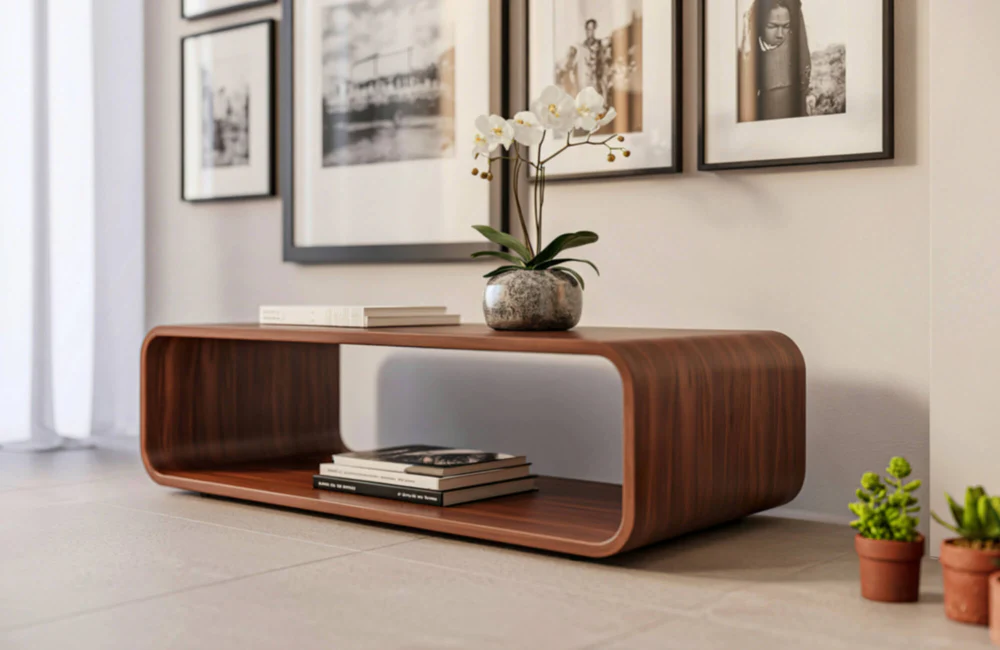
Antique art has a way of pulling a room out of the present moment and giving it a longer memory. It does not shout for attention, yet it refuses to blend into the background. A hand-painted canvas from another century or a time-softened lithograph brings with it the marks of human touch, small imperfections that remind you someone stood there once, brush in hand, making decisions that still hold up today. In a world full of mass-produced decor, antique art offers something rarer, a sense of continuity and personal taste that cannot be duplicated by clicking Add to Cart.
Collectors and design-minded homeowners are not chasing trends here. They are drawn to pieces that carry stories, even when those stories are incomplete or slightly mysterious. Antique art decor works because it feels earned, layered, and intentional, even when it is paired with modern furniture or clean architectural lines.
When Age Becomes Part of the Aesthetic
There is something deeply satisfying about art that has lived a life before arriving on your wall. The subtle fading of pigments, the gentle cracking of varnish, the evidence of restoration done decades ago, all of this adds texture that new work cannot replicate. These details do not detract from the piece. They are the point.
Antique art decor thrives on contrast. A formal portrait hung in a contemporary living room adds tension in the best way. A pastoral landscape above a sleek console grounds the space. Designers often talk about balance, but antique art brings imbalance that feels human. It interrupts perfection and keeps a room from feeling staged or overly polished.
Collectors often describe a moment of recognition when they encounter a piece that feels right. It is less about matching colors and more about sensing history settling into place. That instinct is hard to teach, but once you feel it, you trust it.
The Role of Online Auctions in Expanding Access
The way people find antique art has changed dramatically. You no longer need to travel from gallery to gallery or rely on a narrow network of dealers. Online auction houses have opened doors that were once closed, making it easier to browse across eras, styles, and regions without leaving home.
If you’re looking for Norman Rockwell original paintings for sale, online auction houses make this easy, especially for collectors who value transparency and detailed provenance records. High-resolution images, condition reports, and historical context allow buyers to engage thoughtfully with a piece before making any decisions. This has encouraged a more informed and curious collector base, one that takes time to learn rather than rush.
What has not changed is the importance of discernment. The screen may mediate the experience, but the emotional response remains the same. You still pause when something catches your eye. You still imagine how it might live with you. Technology has expanded access, not replaced intuition.
Lighting as a Silent Partner in Display
Antique art is sensitive to its environment, and lighting plays a significant role in how it is experienced day to day. Natural light can be beautiful, but it must be managed carefully to avoid long-term damage. Artificial lighting, when done well, allows the art to be seen clearly while preserving its character.
Many collectors now favor LED lighting for its low heat output and consistency. This approach highlights surface details without overwhelming the piece or altering its natural tones. Proper placement matters as much as the light itself. A slight angle can reveal brushwork, while even illumination prevents harsh shadows that distract from the composition.
Good lighting does not announce itself. It supports the art, allowing it to hold attention without strain. When the setup is right, viewers are drawn closer, noticing details they might otherwise miss.
Living With Antique Art Every Day
One of the biggest misconceptions about antique art is that it requires a museum-like approach to living. In reality, these pieces were often created for everyday environments, homes, offices, and public spaces. They were meant to be seen, discussed, and enjoyed regularly.
Living with antique art invites a slower pace of noticing. You might catch a detail months later that you overlooked at first. The art becomes part of the rhythm of the home, changing slightly with the seasons, the light, and your own mood. This ongoing relationship is what makes collecting meaningful over time.
Care and maintenance are part of that relationship, but they do not need to be intimidating. Thoughtful placement, stable humidity, and occasional professional attention go a long way. The goal is stewardship, not perfection.
A Personal Way Forward
Antique art decor is not about filling space. It is about choosing pieces that resonate, even if you cannot fully explain why. The best collections grow slowly, shaped by curiosity and patience rather than urgency.
When you surround yourself with art that has already traveled through time, your home gains depth. It stops feeling like a snapshot and starts feeling like a chapter in a much longer story. That sense of continuity is what keeps antique art relevant, no matter how styles shift or tastes evolve.
Antique art endures because it connects past and present without asking permission. It invites conversation, reflection, and a deeper appreciation for craftsmanship that has already proven its staying power. In homes that value character over perfection, these pieces do more than decorate. They anchor the space, reminding us that beauty does not need to be new to feel alive.