
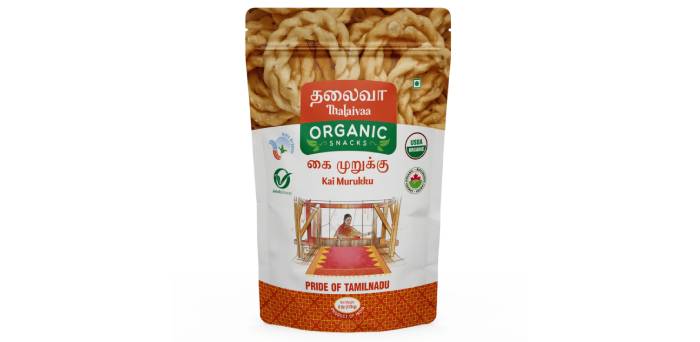
In today’s health-conscious world, consumers increasingly seek wholesome alternatives to conventional snacks. Organic Indian snacks represent a compelling choice that combines traditional culinary excellence with modern nutritional awareness. These carefully crafted delicacies offer exceptional taste alongside scientifically proven health benefits. From fiber-rich legume-based options to antioxidant-packed seed varieties, organic Indian snacks deliver comprehensive nutrition in every bite. The growing global interest in these traditional treats reflects a broader movement toward ethical eating practices and sustainable agriculture. Understanding the diverse world of organic Indian snacks enables consumers to make informed dietary decisions that support both personal wellness and environmental stewardship.
Understanding Organic Certification Standards
Organic certification represents more than a marketing label; it signifies rigorous adherence to international standards prohibiting synthetic pesticides, artificial fertilizers, and genetically modified ingredients. When you purchase certified organic Indian snacks, you gain assurance that independent bodies have verified that production methods comply with strict environmental and health regulations. These standards vary by country and certifying body, with organizations like the USDA and European Union maintaining comprehensive guidelines. The certification process includes soil testing, ingredient verification, and facility inspections to ensure contamination prevention. Understanding these standards helps consumers make confident purchasing decisions, knowing exactly what the organic designation means. Manufacturers of certified organic snacks invest significantly in compliance, demonstrating a genuine commitment to quality and transparency that distinguishes their products from merely conventional snacks.
Why Nutritional Content Matters in Organic Snacks?
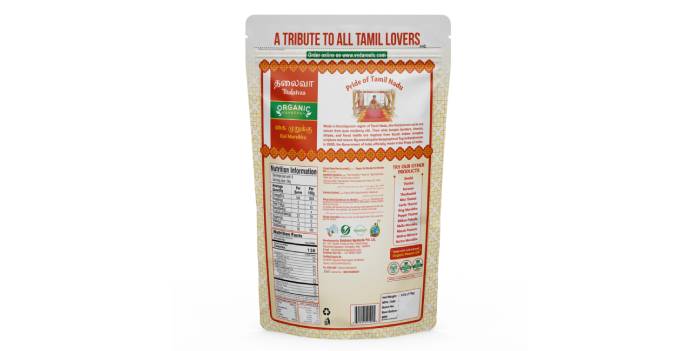
The nutritional profile of organic Indian snacks directly impacts their value as dietary components. These snacks typically contain higher concentrations of essential minerals, including iron, magnesium, phosphorus, and zinc, compared to their processed counterparts. The proteins derived from legumes like chickpeas and lentils provide amino acids necessary for muscle tissue maintenance and immune function. Complex carbohydrates in whole-grain-based snacks offer sustained energy release, preventing blood sugar spikes that lead to energy crashes. Fat-soluble vitamins such as vitamins A, D, E, and K found in nut and seed varieties support vision, bone health, and cellular protection. Fiber content promotes digestive health, supporting beneficial gut bacteria while improving cholesterol management. Natural occurring phytonutrients and antioxidants provide anti-inflammatory benefits that contribute to long-term health resilience. The absence of artificial additives means you receive purely nutritional value without empty calories or health-compromising chemicals.
How to Identify High-Quality Organic Indian Snacks?
Selecting genuinely high-quality organic Indian snacks requires understanding key indicators of product excellence. Reputable manufacturers prominently display certification seals from recognized organizations, providing transparent proof of organic status. Ingredient lists should contain only recognizable whole foods without mysterious chemical names or unfamiliar additives. Packaging materials often reflect quality standards, with companies using sustainable options that demonstrate environmental commitment. Product freshness dates indicate proper inventory management and turnover rates, ensuring you receive recently produced items. Manufacturer reputation can be evaluated through customer reviews and industry recognition, providing social proof of product quality. Fair trade certification suggests ethical supply chain practices benefiting farmers and workers. Storage instructions demonstrate the manufacturer’s knowledge about preserving product integrity and preventing nutrient degradation.
The Environmental Impact of Choosing Organic Snacks
Organic agriculture practices provide significant environmental benefits beyond personal health considerations. Synthetic pesticide elimination reduces soil and water contamination, protecting ecosystems and biodiversity. Organic farming practices build soil health through composting and natural fertilization, increasing agricultural sustainability. Reduced chemical use diminishes worker exposure to harmful substances while promoting safer growing conditions. Water conservation through improved soil structure reduces irrigation demands in drought-prone regions. Carbon sequestration in healthy soils helps mitigate climate change impacts through long-term carbon storage. Supporting organic agriculture encourages sustainable farming practices that maintain long-term land productivity for future generations. Choosing organic Indian snacks represents a personal voting mechanism for environmental stewardship.
Popular Organic Indian Snack Varieties and Their Benefits
The diversity of organic Indian snacks caters to varied taste preferences and nutritional needs. Roasted chickpeas provide exceptional protein content with satisfying crunch and savory flavors that appeal to health-conscious snackers. Makhana or fox nuts offer lightweight, easily digestible options perfect for individuals with sensitive digestive systems. Bhujia and sev deliver traditional taste experiences prepared from gram flour without artificial additives. Sesame and peanut brittle varieties provide natural sweetness through jaggery or honey without refined sugar. Mixed nuts and seeds combinations create nutritionally complete snacking experiences, combining diverse health benefits. Poha or beaten rice preparations offer quick energy sources suitable for breakfast accompaniment. Sprouted seeds and legume snacks maximize the bioavailability of nutrients through traditional sprouting processes. For those seeking premium quality with authentic preparation methods and stringent organic standards, explore specialized retailers offering carefully curated selections directly sourced from certified producers like those featured on trusted platforms.
Incorporating Organic Indian Snacks into Daily Routines
Making organic Indian snacks part of your daily routine enhances nutritional intake while supporting sustainable agriculture. Morning consumption provides energy and a nutrient boost before physical or mental exertion. Mid-morning snacking prevents energy crashes and reduces unhealthy lunch portion sizes. Pre-workout consumption optimizes exercise performance through natural fuel sources. Post-workout consumption aids recovery with complete amino acid profiles. Afternoon snacking offers a healthy alternative to sugary options that disrupt focus. Evening consumption supports satiety without sleep disruption when consumed in appropriate hours before bedtime. Weekend entertaining opportunities showcase cultural appreciation and health consciousness simultaneously.
Conclusion
Organic Indian snacks represent intelligent dietary choices that prioritize personal wellness alongside environmental responsibility. These carefully crafted delicacies honor traditional preparation methods while meeting modern nutritional science standards. The certification processes ensure that quality and safety exceed conventional snack standards. Environmental benefits extend beyond individual health to support planetary wellbeing. Diverse varieties accommodate different preferences and dietary requirements. Understanding production standards enables confident purchasing decisions. Incorporating these snacks into daily routines provides sustainable wellness support. As awareness of health and sustainability continues expanding globally, organic Indian snacks position themselves as ethical, delicious alternatives that truly nourish body and conscience.