
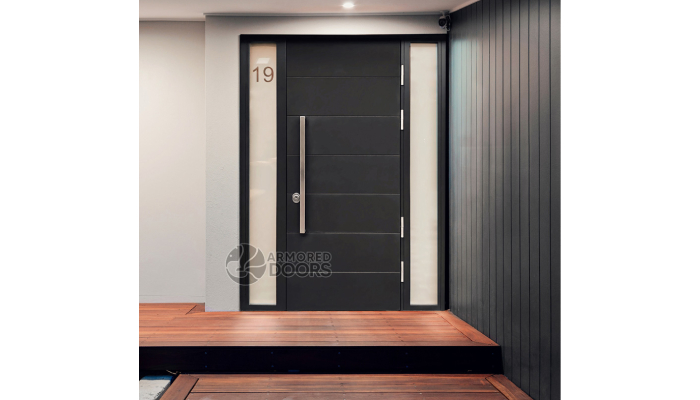
Residential safe rooms are more than just fortified spaces; they embody security, peace of mind, and increased property value. Designed to protect against violent intruders or severe weather, these rooms serve as secure havens during emergencies. With reinforced walls and advanced communication systems, they keep occupants safe from harm while offering a retreat from chaos outside. Safe rooms can also enhance a home’s attractiveness to buyers, a valuable asset in high-risk areas. Additionally, when not serving their primary purpose, these versatile spaces can transform into home offices or recreational areas. Ultimately, investing in a safe room is an empowering step for any homeowner seeking enhanced safety.
1. What Is a Residential Safe Room?
A residential safe room, often referred to as a panic room, is a specially designed area within a home that provides a secure refuge during emergencies. These rooms are not just ordinary spaces; they are constructed with reinforced materials to withstand break-ins and natural disasters, making them a vital part of modern home security. The design of safe rooms is typically discreet, allowing them to blend seamlessly with the home’s architecture. Homeowners can customize these rooms to fit their personal needs and preferences, ensuring they are both functional and comfortable. High-tech security features, such as surveillance cameras and alarms, are often included to enhance safety. The concept of safe rooms has come a long way, evolving from simple panic rooms to highly fortified shelters that offer peace of mind. Located usually on the ground floor for easy accessibility, these rooms can be integrated into new builds or retrofitted into existing structures. It’s important to note that local building codes may dictate specific construction requirements, ensuring these rooms meet safety standards. With their unique combination of security and comfort, residential safe rooms represent a proactive approach to safeguarding lives and property.
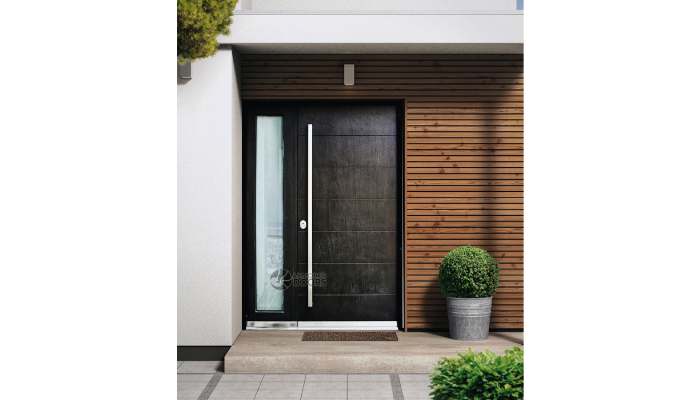
2. How Safe Rooms Protect Against Crime?
Safe rooms are a powerful defense against crime, serving as a crucial line of protection for families. Their very presence can act as a deterrent, signaling to potential intruders that this home is equipped with a secure location. In case of a home invasion, a safe room provides a quick escape route, allowing family members to retreat to a fortified space, minimizing the risk of injury. Reinforced doors and walls significantly enhance security, making it much harder for intruders to force entry. Many safe rooms come equipped with communication tools, so if trouble arises, occupants can contact authorities without delay.
For added protection, features like bullet-resistant glass can be included, ensuring that even in the worst of situations, residents are shielded from harm. Beyond physical safety, having a safe room boosts homeowners’ confidence, creating a sense of security that permeates daily life. In moments of crisis, it can transform into a command center where families can implement their safety protocols. Additionally, safe rooms are often stocked with emergency supplies like food, water, and first aid kits, allowing families to be self-sufficient until help arrives.
Regular maintenance of the safe room is essential to keep it functional and secure over time, ensuring that it remains a reliable refuge when needed most.
3. Safe Rooms as Shelters from Natural Disasters
Safe rooms are essential shelters designed to protect you during natural disasters like tornadoes and hurricanes. Built to meet or even exceed FEMA guidelines, these rooms are fortified with reinforced walls and ceilings that can withstand the impact of flying debris and prevent structural collapse. When severe weather strikes, your safe room becomes a secure haven, maintaining a stable environment to ensure everyone inside remains safe and sound.
Many safe rooms come equipped with air filtration systems, allowing you to breathe clean air even in the midst of chaos outside. It’s also wise to keep an emergency supply kit stored in your safe room, packed with food, water, and first aid essentials, so you can quickly access what you need without panic. Plus, don’t forget about your furry friends, safe rooms can serve as a refuge for pets, ensuring their safety alongside yours during extreme weather.
For those living in flood-prone areas, designing a safe room to be waterproof is crucial, protecting you from rising waters during heavy storms. Access to your safe room should also be straightforward, even in low visibility situations, so that everyone can find their way there in an emergency. Regular drills are a great way to prepare your family on how to use the safe room effectively, giving everyone peace of mind that they know exactly what to do when it counts.
- Safe rooms are built to withstand extreme weather events like tornadoes and hurricanes.
- They often meet or exceed FEMA guidelines for safety and construction standards.
- The walls and ceilings are reinforced to protect against flying debris and structural collapse.
- Safe rooms can maintain a stable environment during disasters, ensuring occupant safety.
- They may include air filtration systems to keep the air clean during emergencies.
- An emergency supply kit can be stored in the safe room for quick access during a disaster.
- Safe rooms can be a refuge for pets during severe weather, ensuring their safety as well.
- Designing the room to be waterproof can prevent flooding during heavy storms.
- Access to a safe room should be easy to navigate even in low visibility situations.
- Regular drills can prepare family members on how to use the safe room effectively during a disaster.
4. Boosting Your Property Value with Safe Rooms
Installing a safe room can significantly enhance your property’s market value. Homes with safe rooms often attract higher prices due to their added security features, making them appealing to potential buyers. In areas that face natural disasters or high crime rates, a safe room is not just a nice-to-have, it’s a major selling point. Homebuyers today are increasingly prioritizing safety features, and having a safe room can make your property stand out in a competitive real estate market. This investment can yield a substantial return when you decide to sell, as buyers view safe rooms as valuable assets that provide peace of mind. Additionally, documenting the construction and unique features of the safe room can further enhance its appeal, showcasing it as a proactive approach to home safety.
5. Versatile Uses for Safe Rooms
Safe rooms are not just about safety; they offer a world of possibilities. For instance, when the storm has passed or the threat is gone, you can easily transform your safe room into a cozy home office. Imagine having a quiet, secure space where you can focus on work without distractions. Additionally, safe rooms are perfect for storing valuables and important documents, keeping them protected from theft or damage.
When the room isn’t being used for emergencies, it can double as a fun recreational space, like a game room where family and friends can gather for game nights or movie marathons. Some homeowners turn their safe rooms into personal retreats for relaxation and meditation, providing a peaceful escape within their own home.
The customization options are endless, allowing you to adapt the space according to your needs. You can even use the room for emergency preparedness training or drills, ensuring everyone in the household knows what to do when it counts. With the right technology setup, your safe room can also host virtual meetings or serve as a media hub for entertainment.
For those with hobbies, it can become a workshop where creativity flows freely. In multi-family homes, safe rooms can be a shared safety feature, offering peace of mind for everyone under one roof. This multifunctionality makes safe rooms an attractive feature for diverse lifestyles, proving that they are more than just a place to hide, they’re a valuable part of your home.
6. Finding Peace of Mind with Safe Rooms
Having a safe room in your home can offer incredible peace of mind, especially during times of crisis. When faced with emergencies, the ability to retreat to a secure space can significantly lessen anxiety for homeowners and their families. This psychological comfort stems from knowing there is a fortified area to escape to, which can greatly enhance overall well-being. In addition, the presence of a safe room encourages families to develop emergency plans and improve communication about what to do in distressing situations. Regular training on how to utilize the safe room effectively can build confidence in family members, making them feel more prepared and less fearful.
Moreover, safe rooms can be personalized with comfort items like blankets and games, helping to ease tension in stressful moments. By creating a family safety plan that incorporates the safe room, families foster a sense of unity and preparedness. The knowledge that you have a haven to regroup and reassess during emergencies can also allow for better sleep at night, knowing you are protected. Ultimately, the peace of mind that comes from having a safe room often far outweighs the costs associated with building one.
7. Financial Assistance for Safe Room Construction
Building a safe room can be a smart investment, but the costs can also be daunting. Fortunately, financial assistance is available to help ease this burden. FEMA offers grants specifically for safe room construction, which can cover a significant portion of the costs, making it easier for homeowners to invest in their safety. Additionally, local governments may have incentives or rebates for safe room installations, providing further financial relief. Homeowners should also consider financing options such as home equity loans or lines of credit, which can spread the costs over time.
Understanding eligibility for these programs can simplify the construction process. For instance, documenting risks, like residing in a tornado-prone area or a high-crime neighborhood, can strengthen your application for funding. Insurance companies may also offer discounts or rebates for homes equipped with safe rooms, further lowering overall expenses.
Researching state-specific assistance programs can uncover additional funding sources, while community organizations may also provide financial support for these projects. To maximize your budget, consider using cost-effective materials that still meet safety standards. Finally, connecting with local contractors can reveal insights into potential cost savings and available funding opportunities, making your safe room a reality without breaking the bank.
8. Essential Features of Effective Safe Rooms
An effective safe room is a fortress within your home, designed with several key features that ensure safety and comfort during emergencies. First and foremost, reinforced walls and doors are vital, constructed from strong materials that can withstand break-ins and natural disasters. Incorporating a reliable communication system, such as landlines or two-way radios, enables occupants to stay connected with emergency services, ensuring help is just a call away.
Ventilation systems are equally important, as they maintain air quality during prolonged use, preventing the room from becoming stuffy. Stocking emergency supplies, including food, water, first aid kits, and necessary medications, is crucial for sustaining occupants until rescue arrives.
A secure locking system is essential, keeping the room safe from unauthorized access and providing peace of mind. Adequate lighting options, particularly emergency backup lights, improve visibility, allowing occupants to navigate the space safely.
The interior layout should focus on comfort and accessibility for everyone, including children and elderly family members, while access points must be easy to reach in case of a crisis. Regular inspections of all these features ensure functionality and safety. Lastly, considering the room’s aesthetic can transform it into a more pleasant space, making it easier to endure stressful situations.
9. Key Construction Considerations for Safe Rooms
When building a safe room, several crucial factors come into play to ensure it effectively serves its purpose. First and foremost, adhering to local building codes and safety regulations is essential, as these guidelines are designed to protect occupants during emergencies. The room’s location within the home also matters significantly; it should be easily accessible while providing security from outside threats. Integrating the safe room with your home’s existing architecture can enhance its aesthetic appeal, making it a functional and stylish addition.
Engaging experienced contractors is vital for proper installation and safety measures, as their expertise ensures the room meets all necessary requirements. Choosing materials that comply with or exceed FEMA guidelines greatly enhances the room’s protective capabilities, safeguarding occupants from various threats. Additionally, the design should accommodate all family members, including pets, to ensure everyone has a safe space during emergencies.
Planning for utilities like electricity and water can elevate the room’s functionality, making it more than just a shelter. Conducting a thorough risk assessment helps pinpoint specific needs and concerns, guiding the design process. Regular maintenance is crucial to keep the safe room in optimal condition, ensuring it remains a reliable refuge when needed. Finally, creating a comprehensive budget that accounts for all construction aspects can help avoid unexpected costs, making the entire process smoother and less stressful.