
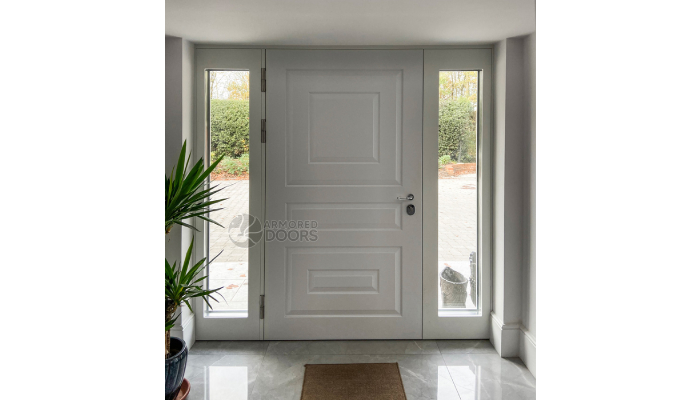
Residential safe rooms offer numerous hidden benefits that go beyond mere protection. These secure havens shield families from natural disasters like hurricanes and tornadoes, built to meet FEMA standards for maximum safety. They provide a fortified retreat during home invasions, ensuring peace of mind in high-crime areas. Interestingly, these rooms can also serve everyday purposes, like home offices or personal sanctuaries, adding versatility to their design. By enhancing property value and potentially qualifying for government financial assistance, safe rooms are an investment in security and well-being. Ultimately, they alleviate anxiety tied to emergencies while conforming with building codes for reliability.
1. Ultimate Protection from Natural Disasters
Residential safe rooms are essential for anyone looking to safeguard their family during extreme weather events like tornadoes and hurricanes. Built underground or within basements, these rooms create an extra layer of protection that keeps occupants safe even when the surrounding structures crumble. Designed to meet FEMA standards, safe rooms can withstand high winds and flying debris, ensuring that families have a secure refuge until help arrives. Equipped with emergency supplies such as food, water, and first aid kits, they prepare homeowners for any situation that might arise. Some advanced safe rooms even feature air filtration systems, shielding occupants from toxic debris or chemicals released during disasters.
Customization is key; homeowners can design escape routes and integrate home automation systems for real-time alerts during emergencies. This level of preparedness not only enhances safety but can also lower homeowners’ insurance premiums by reducing overall risk. Regular maintenance checks ensure that the safe room remains functional and reliable, providing peace of mind.
Beyond personal safety, these rooms can serve as vital community resources during widespread disasters, offering shelter to neighbors in need. They also cater to the entire family, including pets, ensuring that everyone is safe and secure when it matters most.
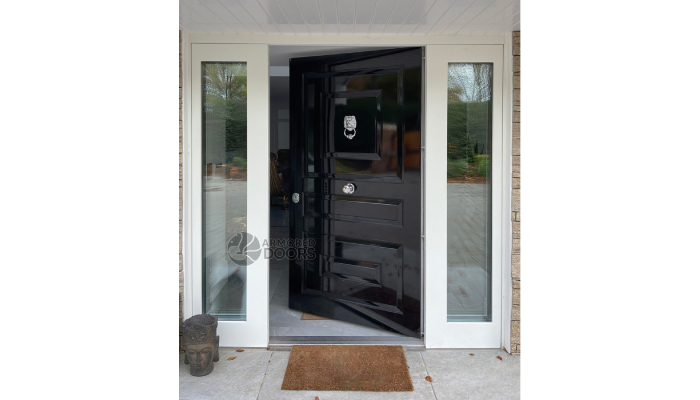
2. Security Against Home Invasions
Safe rooms offer a vital layer of protection against home invasions, transforming the way families can respond to threats. Equipped with high-security locks, these rooms create a formidable barrier that makes it challenging for intruders to gain access. Inside, occupants can find communication devices such as landlines or mobile chargers, ensuring they can quickly reach out for help if needed. Interior surveillance cameras can monitor the surroundings, providing a sense of security and awareness during a tense situation.
Moreover, safe rooms can be fortified with bullet-resistant walls, significantly enhancing safety during violent encounters. They also serve as a secure hiding place for valuables, helping to protect important items during a break-in. Some safe rooms come with panic buttons that can alert authorities instantly, adding another layer of security. Constructed with soundproof materials, they ensure privacy, allowing occupants to feel safe and secure without worrying about being overheard.
Intruders may be deterred from targeting homes with safe rooms, knowing there is a fortified space inside. Additionally, these rooms can provide a refuge during domestic disputes, offering a secure area for those in need. With thoughtful design and features that blend seamlessly into the home’s decor, safe rooms not only serve as a protective haven but also promote peace of mind for families.
3. Versatile Multi-Functional Space
Safe rooms are not just secure havens during emergencies; they can also be transformed into versatile spaces that enhance everyday living. Imagine using your safe room as a home gym, where you can work out in privacy while knowing you’re safe. Or consider it as a hobby workshop, keeping your tools and materials organized and secure. With thoughtful design, these rooms can include a small kitchenette, making it convenient to prepare snacks or meals during long waits in safety.
Additionally, safe rooms can double as media rooms, offering entertainment options during stressful times, or even a cozy study area for kids to tackle homework when storms roll in. They can be adapted to feature comfortable seating, mood lighting, and even sleeping arrangements, ensuring you have a tranquil space to relax or rest during longer emergencies. Whether it becomes a craft area to unleash creativity or a gathering spot for family bonding, a safe room can serve multiple purposes, making it a valuable addition to any home.
- Safe rooms can double as a home gym, offering a private area for workouts while ensuring safety.
- They can be used as a workshop for hobbies, keeping tools and materials secure while providing a safe environment.
- With the right design, safe rooms can include a small kitchenette for convenience during emergencies.
- They can serve as a media room, providing entertainment options during long waits in safety.
- Safe rooms can be adapted to include sleeping arrangements for longer emergency situations.
- They can be designed with comfortable seating and mood lighting for relaxation during stressful times.
- Safe rooms can function as a craft space, keeping supplies organized and secure from damage.
- They can be transformed into a study area for kids, providing a quiet place for homework during storms.
- Safe rooms can also be used for family gatherings, providing a unique space for bonding during uncertain times.
- They can be equipped with a small library or reading nook, promoting relaxation and a sense of normalcy.
4. Increased Property Value
Having a safe room can significantly boost the value of your home. In real estate listings, the presence of a safe room is a major selling point, attracting potential buyers who prioritize safety. Homes with safe rooms often sell faster than those without them, as they provide an extra layer of security that many families find appealing. Buyers are increasingly willing to pay a premium for properties that include these features, especially in areas prone to natural disasters or high crime rates. In a competitive housing market, a safe room can truly set your home apart, making it stand out to prospective buyers. Additionally, insurance companies may offer better rates for homes with safe rooms, making them attractive to cost-conscious buyers. Proper documentation of the safe room’s construction and compliance with building codes can further enhance its resale value, ensuring that your investment yields high returns.
5. Peace of Mind
Having a safe room in your home brings a level of peace that is hard to measure. The knowledge that there is a designated safe space can significantly ease anxiety, especially during storm season. Families can find comfort in knowing they have a secure area to retreat to when severe weather strikes or if an unexpected emergency arises. This physical and mental barrier against the uncertainties of storms and home invasions offers a reassuring sense of control. Moreover, the ability to quickly access a safe room can promote feelings of preparedness, making families feel more equipped to handle crises. Many safe rooms are designed with calming elements, like soft lighting and cozy seating, which help reduce stress during intense situations. Practicing emergency drills reinforces the importance of the safe room and boosts confidence among family members. Additionally, a safe room can serve as a gathering point for neighbors during emergencies, fostering a sense of community. Personal touches, such as family photos or cherished items, can transform the safe room into a comforting refuge amidst distressing events. For homeowners, knowing that a safe room exists often allows them to relax more during severe weather forecasts, while its discreet design helps maintain a sense of normalcy in daily life. Ultimately, having a safe room encourages open discussions about safety, helping families come together to prepare for the unexpected.
6. Government Assistance for Costs
Homeowners can find financial relief when considering safe room construction through various government programs. FEMA offers grants that may cover up to 75% of the costs for eligible homeowners, making this important safety feature more accessible. Additionally, state and local governments often have their own assistance programs to support safe room installations, providing further options for homeowners seeking aid. Some insurance companies even offer discounts for homes equipped with safe rooms, which can help offset the installation costs. Homeowners can obtain information about these financial assistance programs through local emergency management offices or FEMA’s website, which outlines resources and guidelines for accessing aid for safe room projects. Furthermore, tax deductions might be available for safe room construction, lightening the financial burden even more. Community programs may also provide low-interest loans, making safe room installations affordable for families across various income levels. It’s essential for homeowners to research local regulations and funding opportunities, as assistance can vary by state. By raising awareness of available grants and programs, more homeowners might be encouraged to invest in safe rooms, ultimately enhancing community safety.
7. Compliance with Building Codes
Building a safe room that meets FEMA standards and local building codes is essential for ensuring safety and reliability during emergencies. These codes often include specific requirements that guarantee the room can withstand natural disasters and home invasions. By adhering to these regulations, homeowners not only protect their families but also facilitate smoother insurance claims after an emergency, safeguarding their financial investments. Regular inspections can help maintain compliance, ensuring the safe room remains effective over time. Furthermore, having proper documentation of compliance can enhance the home’s value and appeal to potential buyers, making it a smart investment. To achieve this, homeowners should work with licensed contractors knowledgeable in current codes, allowing for a design that considers local climate threats. Additionally, incorporating energy-efficient elements may align with local building codes, further enhancing the room’s appeal. Collaborating with architects who understand safe room regulations can significantly boost safety and compliance. Being informed about the specific building codes empowers homeowners to make educated decisions regarding features and materials, ultimately leading to a well-constructed safe room.
8. Customizable Features
Safe rooms offer a fantastic opportunity for personalization that goes beyond mere safety. Homeowners can choose various materials for walls, doors, and roofs to match their style and needs. Whether you prefer a sleek, modern look or a more traditional design, the options are vast. The layout can be customized to accommodate different family sizes, ensuring that everyone has a comfortable space during emergencies.
Additionally, built-in storage can keep essential emergency supplies organized and accessible, so you won’t have to scramble when time is of the essence. Security features like reinforced doors and advanced camera systems can be selected to enhance safety, giving you peace of mind.
For those extended stays, incorporating ventilation systems is crucial for maintaining air quality, while customizable lighting options can create a calm atmosphere, making the space feel less confining. You can even add sound systems for entertainment, helping to alleviate stress during a tense situation.
If you desire a touch of nature, adding windows can provide natural light, further enhancing the safe room’s overall feel. Smart technology can also be integrated for alerts and communication, ensuring you stay connected during emergencies. Best of all, personal touches like family photos or favorite decor can transform the safe room into a comforting retreat, making it feel like a true part of your home.