
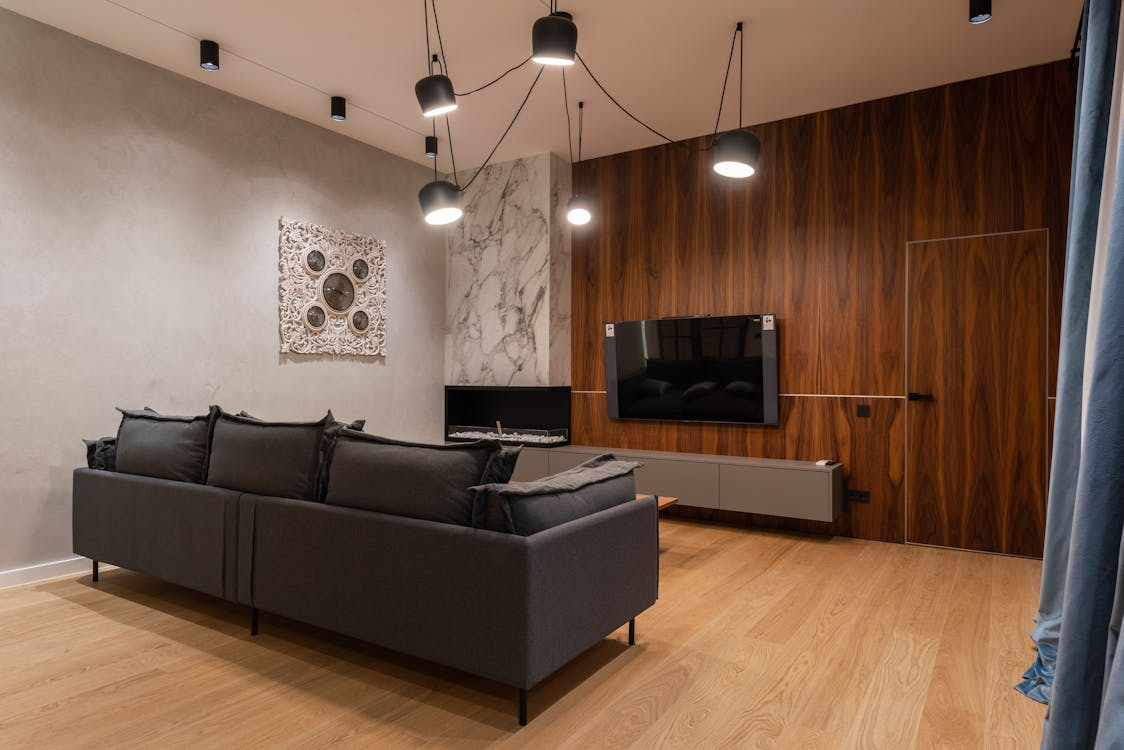
Via Pexels
Luxury used to be defined by accumulation, square footage, fine china, and holidays booked a year in advance. But times have changed. For a growing generation of high-achievers, the real mark of success isn’t what you own; it’s how easily you can move, adapt, and reinvent yourself. Flexibility has become the ultimate currency, a quiet, confident kind of privilege that values time, choice, and autonomy over permanence.
Even the language of success has shifted. We no longer talk only about buying homes or climbing ladders; we talk about scaling back, working remotely, and rewriting the rules of stability. The ability to choose when and where to live, to work, to rest, that’s the new luxury. And for many, it begins with something as deceptively simple as a well-drafted lease agreement, a tool that offers structure without limitation, giving you the freedom to move through life’s opportunities with ease.
How the Idea of “Home” is Evolving for High-Achievers
For much of the twentieth century, “home” was synonymous with ownership. A house symbolized security, achievement, and adulthood. But in a hyper-connected world, where careers span continents and success often demands mobility, that idea feels increasingly outdated.
Today’s high-achievers see “home” less as a destination and more as a living framework, something that grows and shifts alongside their ambitions. Home might be a sunlit apartment in Lisbon for six months, followed by a downtown loft in Chicago for a new project, or a minimalist villa that doubles as a workspace.
This evolution isn’t just about lifestyle; it’s about mindset. When you stop seeing permanence as the ultimate goal, you begin to design your environment around possibility. You prioritize convenience, flexibility, and access over ownership. You understand that home isn’t about where you are but how well you live there, and how easily you can move when something better aligns with your next chapter.
In this sense, the modern definition of home mirrors the new definition of success: it’s adaptable, dynamic, and deeply personal.
The Role of Renting in a Mobile, Experience-First Lifestyle
Owning used to mean freedom. Now, ironically, it often feels like a constraint. Mortgages, maintenance, and market volatility tie people down in ways that don’t match the pace or rhythm of modern careers. Renting, on the other hand, offers a kind of fluidity that ownership can’t.
This is where a thoughtfully structured lease agreement comes into play. For the modern professional, it’s not just a legal document — it’s a strategic choice. A good lease agreement provides stability without rigidity, ensuring that you have a secure base while leaving room for movement. You can commit to a location long enough to feel grounded, yet stay open to change when opportunity calls.
More people are embracing this hybrid model of living, a balance between rootedness and motion. They’re choosing fully furnished rentals, short-term leases, or co-living spaces that prioritize connection and convenience over square footage. And in doing so, they’re reclaiming the most valuable asset of all: their time.
This experience-first lifestyle isn’t about rejecting ownership altogether. It’s about reframing what we own and why. Instead of tying wealth to property, people are investing in travel, wellness, personal growth, and freedom, the kind of wealth that can’t be mortgaged or inherited, only experienced.
Choosing Freedom Over Permanence — and Making it Work for You
Choosing flexibility isn’t the easy way out. It’s an intentional act, a declaration that your life’s value won’t be measured by how long you stay somewhere, but by what you do while you’re there.
To make this lifestyle work, you need systems that support your fluidity: remote work setups, digital storage, and financial tools that allow seamless transitions. You need to learn how to live light, not just physically but mentally. That means embracing minimalism, learning to detach from things that once defined you, and cultivating stability from within.
Flexibility also requires planning. You can’t be spontaneous without structure. For instance, maintaining a strong financial safety net, keeping digital copies of documents, and mastering logistics like local housing laws or travel insurance all make movement sustainable rather than chaotic.
When done right, freedom doesn’t mean drifting; it means moving intentionally, with clarity, not clutter.
The Emotional Payoff of Living Flexibly
At its core, the pursuit of flexibility is a quest for peace of mind. You can adapt, pivot, and explore without the constant anxiety of being trapped, geographically or financially. That sense of lightness is the real luxury, the thing people feel but can’t quite put into words.
It also redefines success on your own terms. Instead of comparing yourself to someone else’s milestones, the mortgage, the promotion, the five-year plan, you start measuring your life by experiences, not possessions. You collect memories instead of maintenance bills. You prioritize purpose over permanence.
This emotional freedom creates a ripple effect. It allows for creativity, deeper relationships, and a more conscious way of living. When your identity isn’t tied to your address, you can show up anywhere and still feel at home in your own skin.
When Stability Meets Motion: Designing Your Ideal Balance
The irony of flexibility is that it requires boundaries. You can’t sustain a nomadic or adaptable life without understanding your own non-negotiables, what keeps you grounded amid constant change.
For some, that might mean maintaining a small home base, a storage space, a familiar café, or even a recurring city they return to each year. For others, it’s about rituals: a morning run, a favourite meal, a digital journal that keeps continuity in motion.
Finding this balance is the secret to longevity in a flexible lifestyle. You create touchpoints of familiarity that allow you to thrive anywhere. You learn to value “enough”, the right amount of space, possessions, and commitments to support your goals without weighing you down.
Flexibility as Quiet Power
The new luxury isn’t loud. It doesn’t show off or require validation. It’s quiet, deliberate, and often invisible — the ability to say yes or no without fear. It’s being able to take a sabbatical without dismantling your life, to work from anywhere without disruption, to reinvent yourself without asking permission.
In a culture obsessed with more, flexibility represents something radical: less, but better. It’s a conscious rejection of the old narrative that success must look permanent. Instead, it celebrates adaptability, the kind of power that allows you to navigate change with grace.
You don’t chase status; you design it around your values. You don’t need to own everything; you just need access to what matters when it matters.
Final Thoughts: Redefining What “Having it All” Really Means
The modern luxury lifestyle isn’t defined by marble countertops or postcode prestige; it’s defined by the absence of limits. It’s about creating a life spacious enough for spontaneity, travel, curiosity, and growth.
True success today is measured in moments of freedom, the ability to make choices that align with who you are, not who you’re expected to be. And as the world continues to evolve, that flexibility will remain the truest, most sophisticated expression of wealth.
Because in the end, the new luxury isn’t about having it all. It’s about having the freedom to choose what “all” really means to you.