
In an era when travelers have more choices than ever, true staying power has become one of the rarest achievements in hospitality.
A hotel can generate buzz with a spectacular opening. It can earn praise through exceptional service. It can even become a social media sensation overnight. But maintaining excellence year after year, decade after decade, is a far more difficult accomplishment.
That is what makes Condé Nast Traveler’s inaugural Triple Crown distinction so fascinating. Rather than celebrating a single standout year, the recognition honors hotels that have achieved something far more challenging: sustained excellence across multiple generations of travelers and critics.
Among the properties receiving this rare distinction are three iconic destinations that represent very different corners of the world: Berlin’s historic Hotel Adlon Kempinski, Kenya’s groundbreaking safari retreat Angama Mara, and Dublin’s elegant city sanctuary, The Merrion.
Together, they tell an interesting story about what luxury travelers increasingly value in 2026.
Beyond Awards: The Meaning of Lasting Excellence
The travel industry has no shortage of rankings, lists, and accolades. Every year brings a fresh wave of “best hotels,” “top destinations,” and “must-visit properties.”
The Triple Crown stands apart because it recognizes consistency rather than momentary success.
To qualify, hotels must have earned all three of Condé Nast Traveler’s most influential distinctions over time: the Hot List, the Gold List, and the Readers’ Choice Awards. That combination means a property has impressed professional editors, travel experts, and everyday guests alike.
What stood out to me is how difficult this achievement actually is. A hotel may excel with critics yet fail to connect emotionally with guests. Others become traveler favorites without necessarily redefining the industry. Earning recognition from all sides suggests something deeper: an ability to create experiences that remain relevant long after trends have changed.
Berlin’s Grand Dame Still Commands Attention
Luxury hotels often face a challenge that few industries encounter. How do you preserve history without becoming trapped by it?
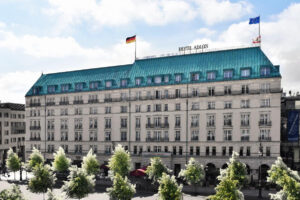
The Hotel Adlon Kempinski Berlin offers one answer.
Positioned beside the Brandenburg Gate, the property occupies one of the most symbolic locations in Germany. Its history stretches through some of Europe’s most dramatic political and cultural transformations, giving it a sense of gravitas that modern luxury developments simply cannot replicate.
Yet its appeal extends beyond nostalgia.
Today’s travelers increasingly seek experiences that connect them to a destination’s story. Rather than functioning as isolated luxury bubbles, the most celebrated hotels serve as gateways to local culture and history.
The Adlon succeeds because it balances heritage with contemporary expectations. Guests can experience old-world grandeur while enjoying the standards of comfort, wellness, dining, and service expected from a world-class luxury property.
In many ways, it represents a growing trend in luxury travel: the desire for meaningful context rather than mere extravagance.
How Angama Mara Reimagined the African Safari
If the Adlon is defined by history, Angama Mara is defined by reinvention.
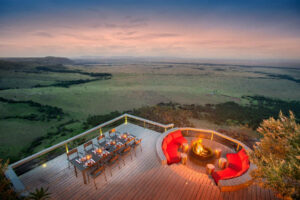
When it opened in Kenya’s Maasai Mara eleven years ago, the property challenged many of the conventions that had come to define luxury safari travel. Rather than embracing the traditional colonial-inspired aesthetic that dominated much of the sector, Angama Mara pursued a distinctly modern vision rooted in contemporary African design.
The result was a fresh interpretation of safari hospitality that felt forward-looking rather than nostalgic.
This shift mirrors broader changes across global tourism. Travelers today are increasingly interested in authentic cultural engagement and contemporary local perspectives. They want experiences that reflect where they are now, not simply romanticized versions of the past.
What I find particularly interesting about Angama Mara’s success is that it demonstrates how innovation and authenticity can coexist. The lodge delivers extraordinary wildlife experiences while also celebrating African creativity, architecture, cuisine, and storytelling.
That combination has helped redefine expectations for high-end safari travel and influenced the direction of luxury tourism throughout the continent.
The Merrion and the Enduring Appeal of Urban Elegance
Luxury city hotels face a different challenge entirely.
Unlike remote resorts, they compete not only with other hotels but also with the endless attractions, restaurants, and cultural experiences surrounding them.
The Merrion in Dublin has distinguished itself by embracing its identity as both a hotel and a cultural destination.
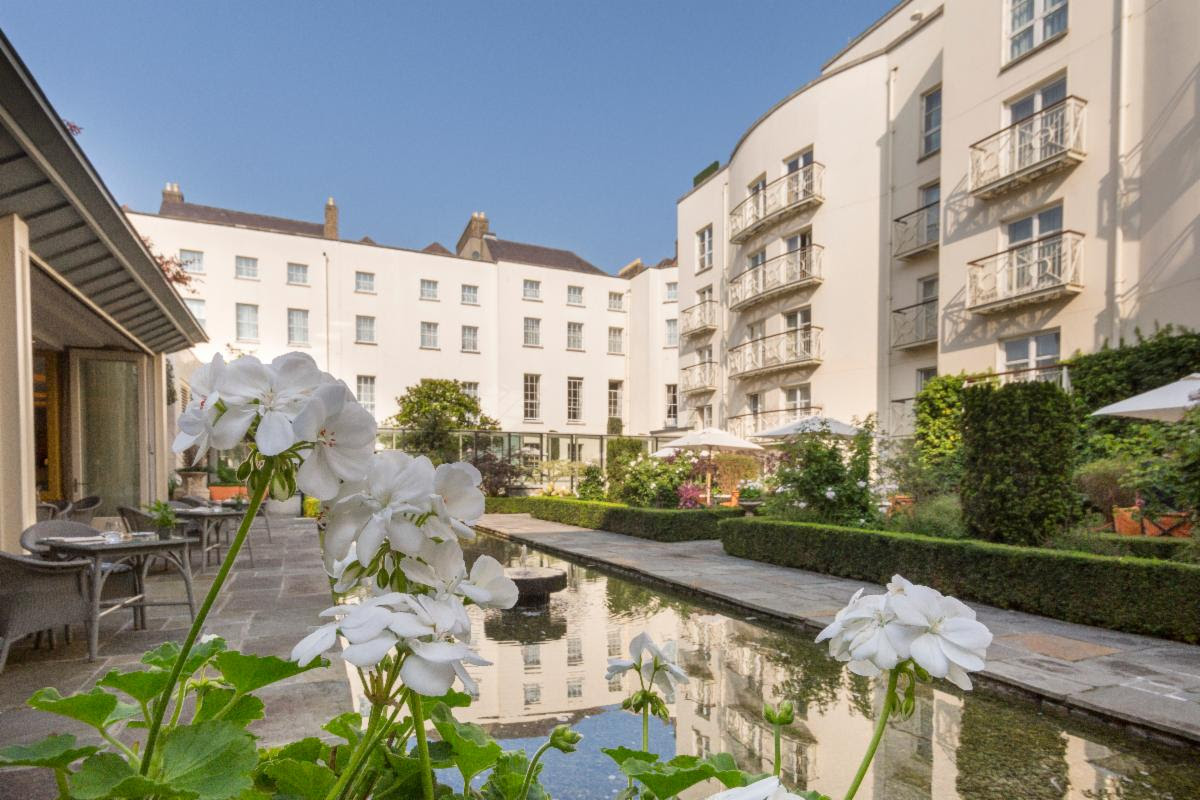
Housed within restored Georgian townhouses and complemented by a contemporary garden wing, the property embodies the architectural character that makes Dublin one of Europe’s most charming capitals.
Its extensive art collection is particularly noteworthy. As travelers increasingly seek immersive cultural experiences, hotels are becoming more than places to sleep. They are evolving into curated environments where art, history, gastronomy, and hospitality intersect.
The Merrion exemplifies this evolution. Guests are not merely checking into a room; they are stepping into a uniquely Irish cultural experience.
This approach reflects one of the most significant trends shaping luxury travel today: the growing importance of authenticity and place-based identity.
What Modern Luxury Travelers Really Want
Looking at these three properties together reveals an important insight about the future of hospitality.
Despite their differences, they share several defining qualities.
None rely solely on lavish amenities. None depend exclusively on celebrity appeal or social media visibility. Instead, they excel because they offer something increasingly valuable in a crowded marketplace: a genuine sense of place.
The Adlon connects visitors to Berlin’s remarkable history.
Angama Mara immerses guests in the landscapes and cultures of East Africa.
The Merrion provides an elegant gateway into Dublin’s artistic and architectural heritage.
In each case, luxury serves as a framework rather than the destination itself.
That shift reflects broader changes in traveler behavior. Today’s affluent travelers often prioritize meaningful experiences over conspicuous consumption. They seek stories, connections, and memories that cannot be replicated elsewhere.
The hotels that thrive are those that understand this evolution.
A New Standard for Hospitality
The introduction of the Triple Crown feels significant because it acknowledges a reality often overlooked in travel coverage: greatness is rarely built overnight.
The world’s most respected hotels are not simply defined by beautiful rooms or exceptional restaurants. They are shaped by years of consistency, adaptation, and an unwavering commitment to guest experience.
The Hotel Adlon Kempinski Berlin, Angama Mara, and The Merrion have each achieved that rare balance in their own way.
Their recognition serves as more than a celebration of individual properties. It highlights the qualities that continue to define excellence in hospitality: authenticity, cultural relevance, innovation, and a deep understanding of what travelers truly value.
As luxury travel continues to evolve, these hotels offer a glimpse into what enduring success looks like. Not fleeting popularity. Not temporary trends. But the ability to remain exceptional across generations, earning admiration from critics, industry experts, and guests alike.
That may be the most prestigious crown of all.
For more information visit here.