
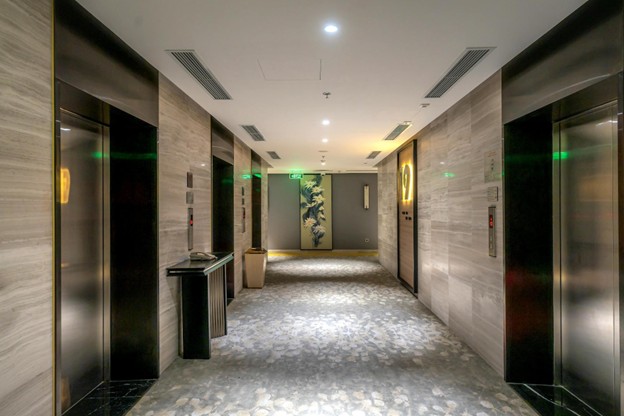
Elevators do more than move people. In high design, they shape first impressions, set the pace of a building, and turn vertical travel into part of the experience. From the minute someone steps into the lobby, the ride should feel intuitive, fast, and calm.
Luxury projects treat the elevator as a signature element. The cab, the call interface, and the landing choreography work together like a small stage. When the system is tuned well, the whole property feels seamless and highly crafted.
Why Elevators Define Luxury Today
Luxury is a balance of speed, silence, and certainty. Guests expect to find a car quickly, step into a quiet space, and arrive without stress. That feeling starts with sizing and zoning, then continues with dispatch logic that respects how real people move.
Design teams look at dwell times, traffic peaks, and mixed uses. A hotel-condo tower has very different rhythms than an office or museum. The goal is to keep wait times short while avoiding empty cars wandering between floors.
Market momentum reflects this focus on quality. One research group noted that the global elevators market was about $79 billion in 2024 and could exceed $116 billion by 2030, a sign that investment is tracking demand for better mobility and service across building types.
Designing Seamless Movement
Movement planning starts at the front door. Clear sightlines to call stations, intuitive wayfinding, and concierge support reduce hesitation. The best lobbies guide people into the right cars without crowding or confusion.
Routing choices carry design intent up the stack. Owners align architecture with partners like Elevator services in Austin, Texas, for repair, maintenance, modernization, and new installations, keeping complex programs coordinated. That collaboration turns drawings into a daily performance and clarifies training, response, and upgrade paths.
In tall or mixed-use buildings, zoning limits stops to targeted floors. Sky lobbies and transfer points shorten trips and smooth surges. Done well, people hardly notice the shift because the flow stays calm and predictable.
Quiet Speed And Passenger Comfort
Speed without comfort is not luxury. Ride quality comes from machine selection, rail alignment, and vibration control. Car dimensions, handrails, and dual openings can reduce jostling at busy times, and soft-start drives keep acceleration smooth for all ages.
Acoustics matter just as much. Cab construction, roller guides, and isolation at equipment rooms cut noise that might bleed into suites or offices. Even the smallest buzz becomes obvious in quiet, high-end spaces.
Comfort includes feeling informed. Clear floor indicators, gentle chimes, and displays that reflect brand identity lower anxiety. People relax when they know where they are and how long a trip will take.
Energy Performance And Smart Controls
Modern elevators are smart electrical systems as much as mechanical ones. Regenerative drives can feed power back to the building, and efficient lighting and standby modes cut idle draw. Over many trips per day, small savings compound into real operational gains.
Controls amplify the effect. Destination dispatch groups riders by floor to reduce stops and shorten journey times. When traffic patterns shift during the day, algorithms adjust in real time so the building keeps its pace without manual intervention.
Sustainability is a market driver. An industry review highlighted that energy-efficient elevator products were valued at about $20.5 billion in 2024, with growth expected through the next decade, showing that greener vertical transport is becoming the default in premium projects.
Materials, Transparency, And Brand Experience
Materials communicate the promise of the building. Stone or metal portals, warm veneers, and balanced lighting make cabs feel like crafted rooms rather than boxes. Touch surfaces and buttons need to look great and stand up to constant use.
Glass can turn a ride into a view. Panoramic cabs connect guests to the city or an interior atrium, giving a sense of place while maintaining privacy where needed. Handrails, mirrors, and ceiling treatments should support that openness without glare.
Branding cues can be subtle. A logo etched in stainless, a custom floor indicator, or a sound theme can align the ride with the rest of the property. Consistency across lobbies, floors, and cabs builds trust and recall.
Digital Monitoring And Proactive Service
Data has changed the service culture. Remote monitoring flags anomalies before riders feel them, letting teams schedule repairs during low traffic. That reduces surprise outages and keeps the promise of seamless movement intact.
Service plans set expectations for response times and parts availability. High-utilization properties plan maintenance windows around events and check-in waves. A clear playbook prevents small issues from turning into bottlenecks.
Training is part of the equation. Staff who understand basic resets, passenger communication, and safe shutdown procedures can stabilize a situation quickly while technicians are en route. Clear roles keep the experience calm, even during a hiccup.

The best luxury buildings make vertical travel feel effortless. When speed, silence, and clarity come together, the elevator becomes part of the architecture’s story, not an interruption.
Designers who integrate planning, smart controls, material craft, and proactive service deliver that story day after day. The result is a building that moves people well, protects time, and quietly raises the standard for modern life.