
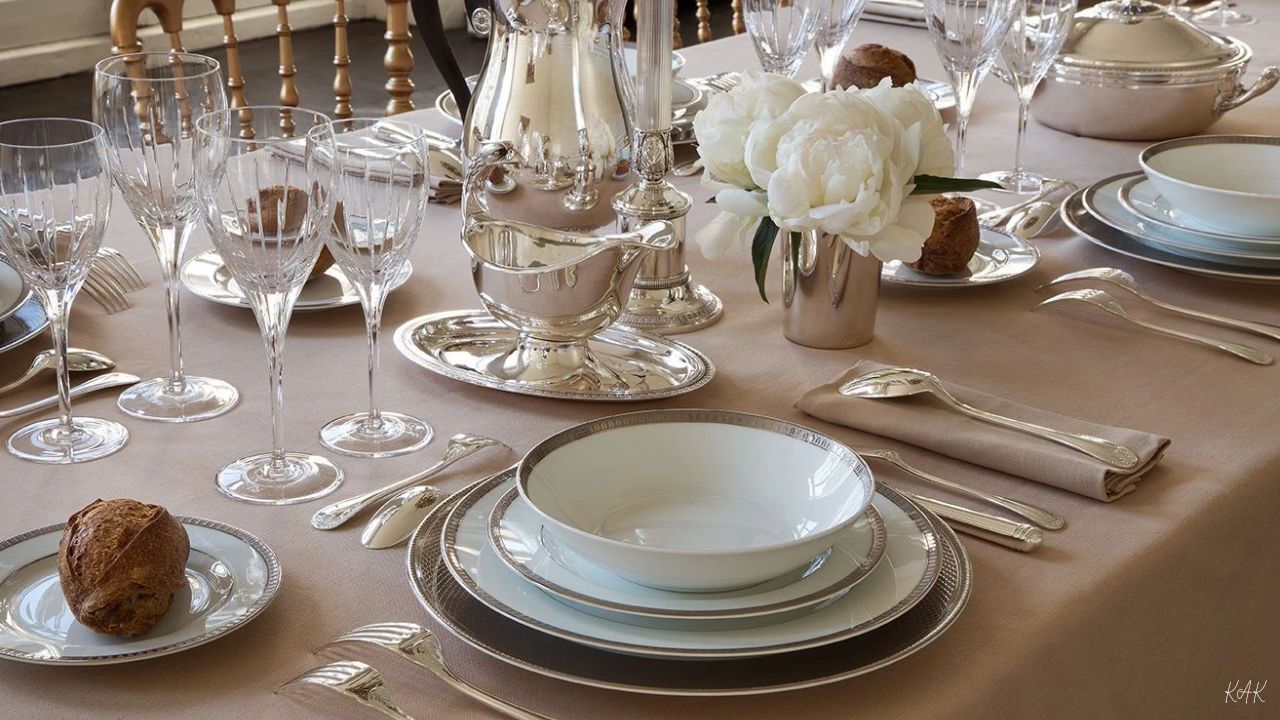
For every restaurant — from casual spots to high-end gourmet venues — selecting the right dinnerware is more than style; it’s a strategic decision.
Plates do more than hold food: they influence the atmosphere, elevate the way your chefs’ dishes are served, and help create the overall impression of your restaurant. The HoReCa sector has its own trends, different from what you see at home. That’s why we’ve gathered key insights and reviews to bring you a concise roundup of the most important ones for anyone in the restaurant business.
Factors Behind Choosing the Restaurant Dinnerware
When your dinnerware is top-notch, diners notice. It encourages guests to come back, since it serves as the canvas where chefs and sous-chefs bring their culinary vision to life. So, what should you consider when choosing a set for a professional dining establishment? Which factors matter the most?
- Start with material and quality. Porcelain and bone china premium dinnerware is common in fine dining thanks to its refined look and lasting strength, while casual dining benefits from sturdier dinnerware like stoneware, ceramic, or tempered glass.
- Keep the restaurant’s style and concept in mind. Plates should support the atmosphere and align with the food you serve. Minimalist restaurants often go for clean white plates, while chef-driven kitchens lean toward unique shapes and handmade pieces.
- Don’t forget practicality. Restaurant dinnerware should be dishwasher-safe, resistant to detergents, and strong enough to withstand constant use without losing its look.
- Aim for variety. From large flat plates and soup bowls to pasta dishes, appetizer and dessert plates, chargers, sauce servers, and bowls — every piece matters.
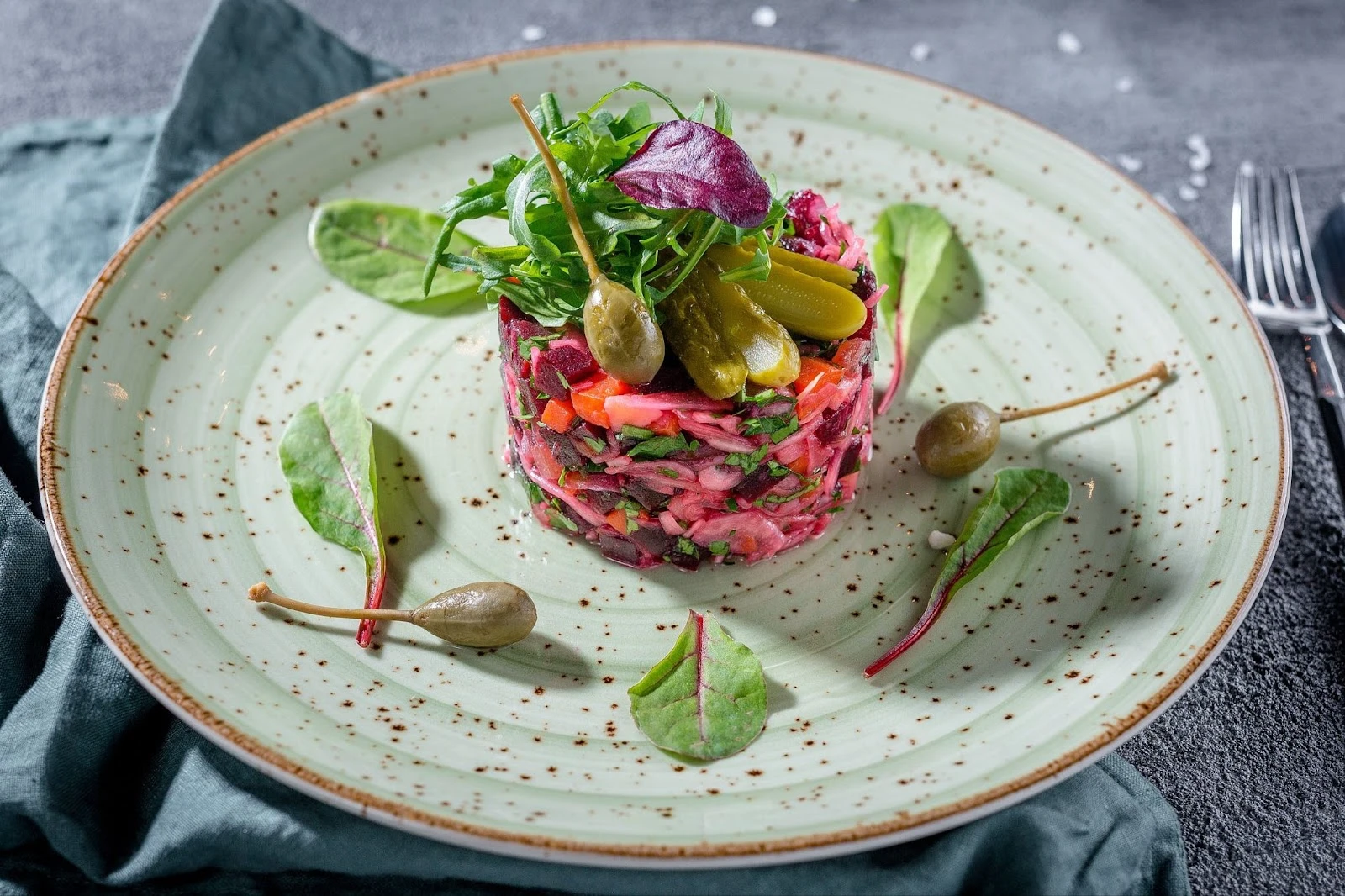
Key Trends and Our Tips
Here’s a closer breakdown of our Top 5, drawn from the dining setups at some of the best restaurants in America and Europe this year. Our takeaway is a helpful base for those starting fresh with a new venue or ready to radically change their concept.
The Natural Forms and Textures Trend
No more rigid forms or geometric precision. The spotlight today is on natural design — smooth, flowing shapes, irregular edges, and asymmetry that feels organic. Nature itself is a muse here, with scalloped shapes, cabbageware pieces, and basket-inspired textures leading the way. This kind of dinnerware creates a handmade, nature-inspired, and relaxed vibe — even in the fine dining segment. We recommend Villeroy & Boch’s Like and Lave collections, Steelite’s Alina line, or West Elm’s Organic collection.
Trend of Tactile Finishes
Tactility is essential for tableware. We need to involve every sense — not only taste and sight, but the physical feel of the pieces in our hands. It’s no surprise that restaurateurs are increasingly noticing the importance of how dinnerware affects. Consider matte finishes. They draw attention by softening light, masking smudges and scratches, and adding a nice tactile feel — just right for active restaurant settings. A few standouts are Revol’s Arborescence, PlateAndCutlery’s Michelin Star Plates Collection, and the Crafted collection from Villeroy & Boch.
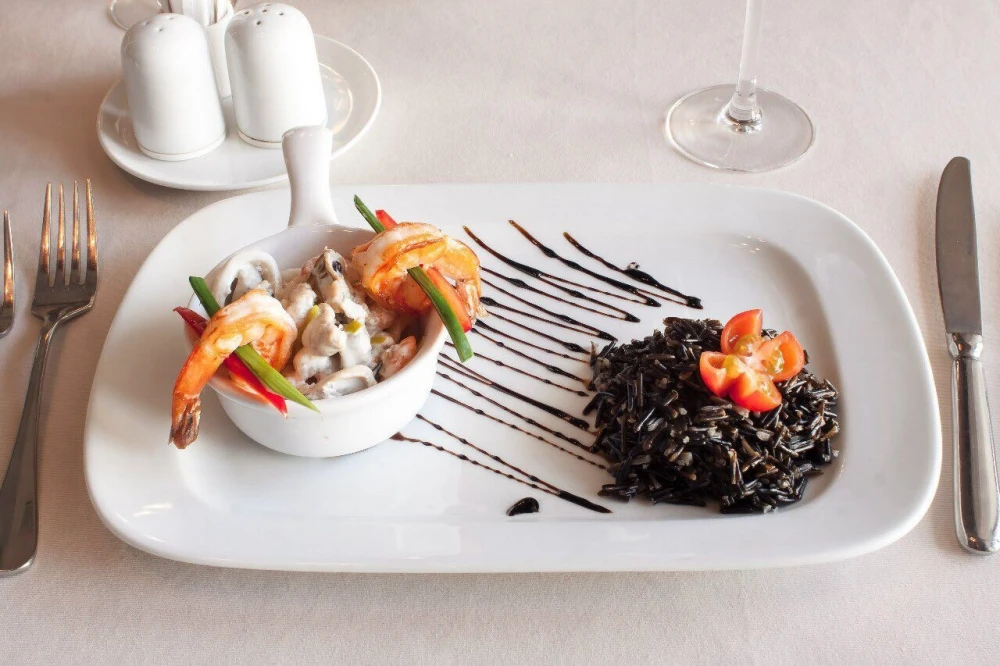
Cozy, Earthy Hues Trend
The natural color palette trend is making a comeback, moving from home interiors into the HoReCa scene. Terracotta, olive, sandy neutrals, and antique shades are a safe bet — and they look stunning when paired with strong accent colors like turquoise or charcoal. Despite their uniqueness, these colors create a sense of comfort and calm. Among the recommended options are Palate & Plate’s Earth Collection, West Elm’s Textured and Kanto series, plus Hudson Grace’s Fall 2025 collection.
The Mix-and-Match Trend
Mix-and-match has been one of the biggest trends over the past two years. This year has made it clear that such a design move shines in the restaurant industry. Currently, this look is trending as it feels instantly Instagram-ready and showcases the individuality of the kitchen. Clients appreciate this style, and they’re eager to notice and experience these variations while dining. So go ahead and combine colors, textures, and patterns; adding these elements creates a distinctive, expressive, and photo-ready presentation. Recommended picks include Serax Terres de Rêves, crafted for mixing, plus Costa Nova’s Nova and Brisa collections that blend seamlessly. Vista Alegre’s Carrara and Álvaro Siza lines also make excellent mix-and-match options.
The Retro & Vintage Trend
Retro and vintage are classics, which is why they never fall out of trend. By the way, these styles in dinnerware adapt perfectly to fine dining restaurants with an aristocratic touch in their presentation. Limoges and Meissen porcelain are especially relevant for this kind of service. They’re ideal for restaurants aiming to emphasize history, elegance, and the continuity of haute cuisine traditions. Perfect picks include Bernardaud Écume, Haviland’s Infini, Touraine, and Souvenirs, Meissen’s iconic Blue Onion (Zwiebelmuster), Wedgwood’s Wild Strawberry, and Richard Ginori’s Oriente Italiano.
A Few Final Mini Secrets
Major trends gain extra weight when paired with subtle details, which can even become a key factor in attracting guests to your place. Eco-friendly alternatives are quickly turning into a necessity, especially in restaurants appealing to environmentally aware guests. Porcelain and ceramic pieces are some of the most sought-after options.
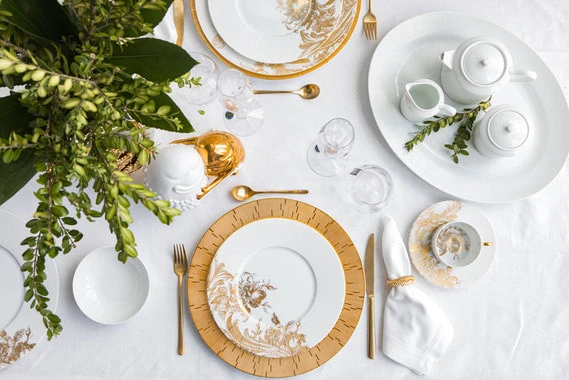
Many restaurants also go for branded pieces — plates with logos, subtle engraving, or signature patterns — to reinforce their identity and make the presentation unforgettable. It’s a strategy mostly suited for luxury restaurants, since custom tableware is generally provided by elite brands — and each plate doesn’t come cheap.
As a final thought, keep in mind that aesthetics and harmony come not only from the plates but also from how well the flatware and glassware complement the restaurant’s concept. So, if you want access to a wider selection and expert guidance, we suggest consulting with tableware specialists or trusted dealers who can help curate everything for you.