
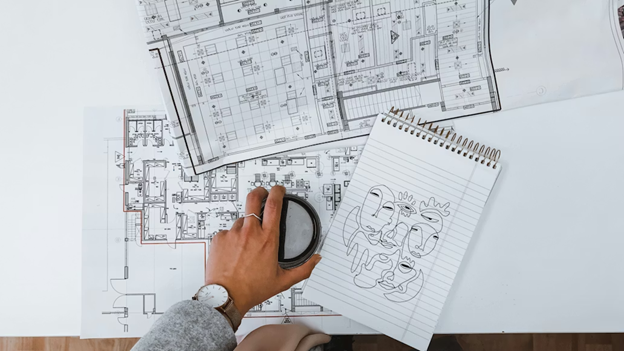
Building a home is about more than just picking paint colors or furniture. It is about creating a space that feels right and supports your daily life. You want a place where you can move around easily and feel safe every single day. Taking the time to plan now will pay off for years to come.
Defining Your Unique Needs
Start by thinking about how you use each room. Every person has different physical needs and daily habits. Look at your morning routine to see where things feel tight or hard to reach. These small observations help you build a home that fits your lifestyle perfectly.
You should look for experts who understand modern mobility solutions. Use helpful tools whether that’s the Stiltz Healthcare official website or a similar professional source to learn more. You can also explore tiny house plans to see smart layouts designed for efficient and accessible living. It makes the whole process feel much less stressful as you plan.
Think about your goals for the next 5 or 10 years. You might want to stay in this house for a long time. Planning now helps you avoid making big changes later when you might be tired. It is much cheaper to build things right the first time rather than fixing them later.
The Principles Of Universal Design
Universal design is a way to make spaces work for everyone. It means thinking about how children, adults, and seniors all use the same house. Good design feels natural and easy for every guest who walks through the door.
One building association mentions that this craft involves making a home usable and safe for all ages. It focuses on comfort and ease of use in every room. This approach helps people stay in their homes longer as they get older. It removes the stress of having to move when life changes.
Simple things like wider doors make a big difference. They let strollers and wheelchairs pass through without hitting the frame. They make the whole house feel open and airy, too. You will appreciate the extra space when you are moving large pieces of furniture.
Planning For Long Term Accessibility
People are living longer than ever before. This change means our homes need to be ready for different stages of life. We should build spaces that grow and change with us as the years pass.
A housing expert recently shared that a huge portion of the population will be over 65 very soon. This shift shows why we need to think about future needs right now. Making small changes today can save time and money later. It keeps your home valuable and functional for decades.
Look for ways to remove steps at the front door. A flat entry is safer for everyone. It helps when you are carrying heavy bags of groceries or using a walker. It looks sleek and modern from the street as well.
Smart Kitchen And Bathroom Layouts
The kitchen is the heart of the home for many. You need enough space to move between the stove, sink, and fridge without getting stuck. Lower counters can help if you prefer to sit as you cook.
- Install grab bars in the shower.
- Choose non-slip flooring.
- Pick a vanity with space underneath.
Bathrooms need careful planning to stay safe. Small tiles with more grout lines can help prevent slips. These tiny details make a big difference in how you feel in your home. They stop accidents before they happen and make chores easier.
A walk-in shower is a great choice for any age. It looks modern and keeps the floor level. You do not have to worry about stepping over a high tub wall every morning. This design choice makes the room feel much larger.
Tech Integration For Better Living
Technology can help you manage your home with just your voice. You can control the lights or the heat without even getting up. This is very helpful if you have sore joints or a busy schedule.
Smart locks and doorbells add an extra layer of safety. You can see who is at the door from your phone. This gives you peace of mind when you are home alone. You can even let people in remotely if you are busy in another room.
You can set timers for your appliances, too. This helps save money on your power bill. It makes sure you never forget to turn off the coffee pot. These tools make daily life run much more smoothly for the whole family.
Choosing The Right Materials
Floors should be smooth but not slippery. Hardwood or matte tiles are good choices for most rooms. Avoid thick rugs that can cause someone to trip. Choosing the right surface can prevent falls and make cleaning much faster.
Lighting is another big part of a great home. Bright lights help you see clearly and avoid tripping over things. Use natural light from windows whenever you can. Task lighting under cabinets helps you see what you are doing in the kitchen.
Pick handles instead of knobs for your doors. Lever handles are much easier to turn if your hands are weak. They look stylish and work for everyone in the family. Small hardware changes make a huge difference in daily comfort.
Creating A Comfortable Living Space
Your living room should be a place where you can relax. Pick furniture that is easy to get in and out of. Chairs with firm arms provide the best support when you stand up.
Make sure there is plenty of room to walk around the furniture. Crowded rooms can be hard to navigate. Keeping the paths clear makes the space feel bigger and safer. It allows the room to breathe and look organized.
Storage matters just as much as the layout. Use pull-out shelves in your cabinets so you do not have to bend down low. This protects your back and makes finding things much faster. Organized storage keeps your home clutter-free and peaceful.
Creating a home that works for you takes some careful thought. It is an investment in your comfort and your future happiness. When you take the time to plan, you create a space that truly welcomes you every day. Your home should be your favorite place to be.