
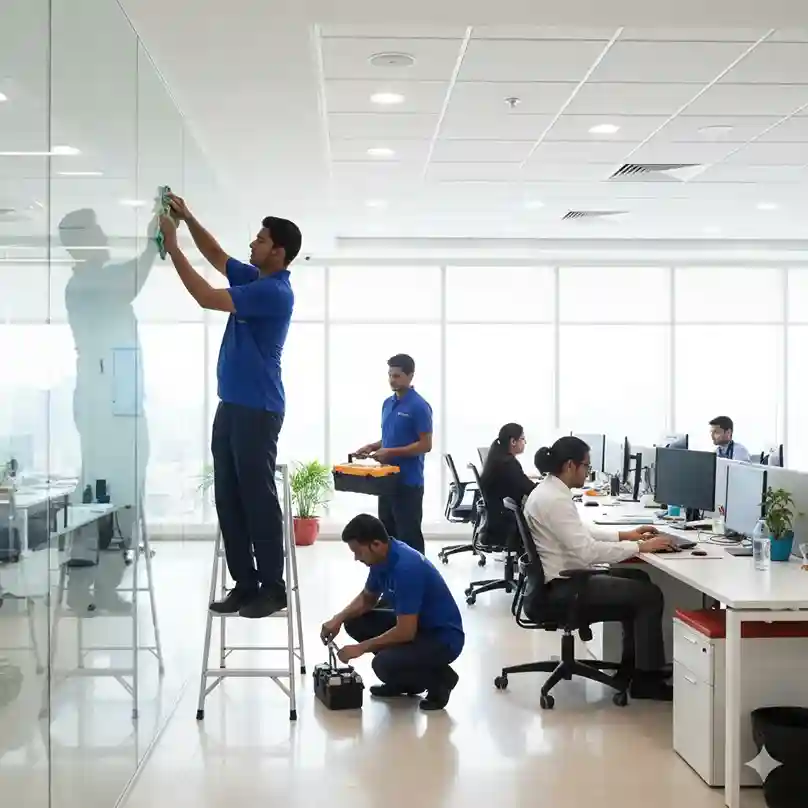
Managing a property in a fast-paced environment requires a blend of technical expertise, proactive maintenance, and smart technology. Whether you are overseeing a residential high-rise or a sprawling commercial complex, the right approach to maintenance ensures long-term value and tenant satisfaction.
Understanding The Scope Of Facility Management Services Dubai
The landscape of property maintenance in the United Arab Emirates has evolved significantly over the last decade. Today, facility management services Dubai encompass a wide array of disciplines, ranging from basic cleaning and security to complex mechanical, electrical, and plumbing (MEP) works. Given the extreme climate conditions in the region, specialized attention to air conditioning systems and water cooling is not just a luxury but a necessity for operational continuity. High-quality providers focus on integrated solutions that streamline these various tasks into a single, cohesive strategy. This integration allows property owners to reduce the number of vendors they interact with while ensuring that every square inch of the facility is monitored. By choosing a comprehensive service model, stakeholders can ensure that their assets are protected against the rapid wear and tear often caused by sand, humidity, and high temperatures.
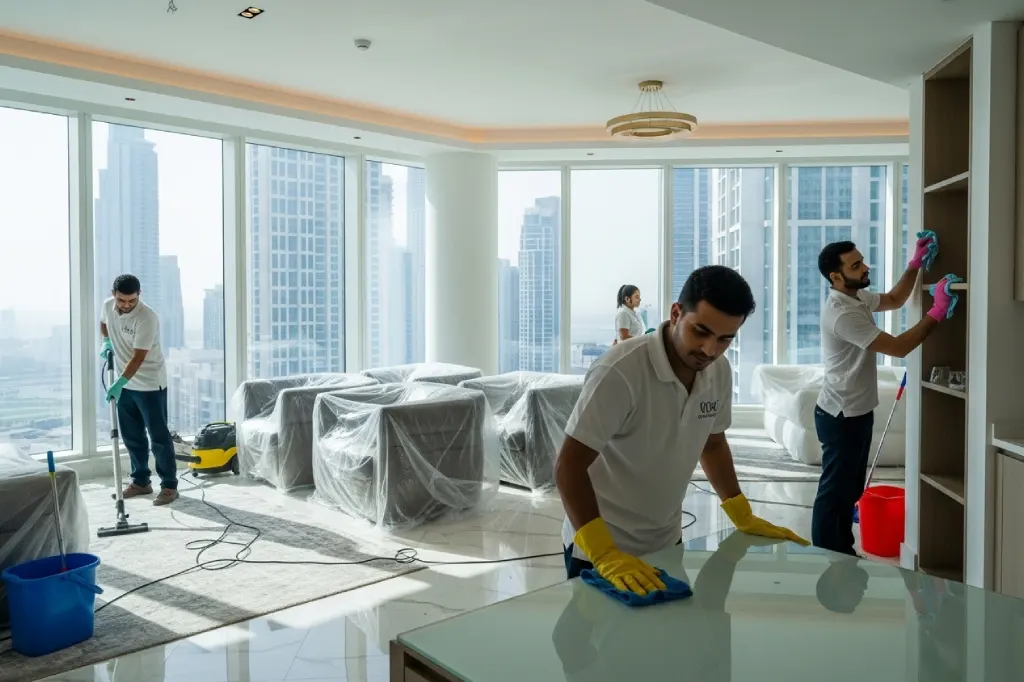
Why Quality Facility Management Services Dubai Are Essential For Growth?
In a competitive real estate market, the condition of a building directly impacts its market value and the retention rate of its occupants. Investing in professional facility management services Dubai provides a layer of insurance for your physical assets, preventing minor issues from escalating into multi-million-dirham repairs. Beyond the physical structure, modern management focuses heavily on the “user experience,” ensuring that lighting, ventilation, and common areas are always in peak condition. To achieve this level of precision, many top-tier firms are now adopting maintenance management software to track work orders and equipment lifecycles in real-time. This data-driven approach allows for better budgeting and transparency, as every repair is logged and analyzed for efficiency. When a facility is managed with this level of scrutiny, it fosters a sense of trust with tenants, leading to longer lease agreements and a more prestigious reputation for the property itself.
How Preventive Maintenance Saves Costs In The Long Run?
One of the most common mistakes property managers make is relying solely on reactive maintenance—fixing things only after they break. In a city where cooling systems run twenty-four hours a day, a sudden failure can lead to significant downtime and unhappy residents. Preventive maintenance involves scheduled inspections and servicing that identify potential failure points before they manifest. This includes regular filter changes, checking electrical loads, and testing fire safety systems. While there is an upfront cost to scheduling these routine checks, it is a fraction of what an emergency repair or a total system replacement would cost. Furthermore, well-maintained equipment operates more efficiently, which translates directly into lower utility bills for the building owner. By sticking to a strict preventive schedule, you extend the life of your machinery by years, maximizing the return on your initial capital investment.
What Are The Benefits Of Outsourcing Your Building Maintenance?
Deciding whether to manage a facility in-house or hire a specialized firm is a major strategic choice. Outsourcing to an expert team brings a level of specialized knowledge that is difficult to replicate with a small, generalist in-house staff. Professional firms have access to the latest tools, certified technicians for specialized MEP tasks, and a deep understanding of local regulatory compliance standards, such as those set by the Dubai Municipality or Civil Defence. Additionally, outsourcing provides flexibility; you can scale your service level up or down based on the season or the building’s occupancy levels. This model also shifts the burden of recruitment, training, and equipment procurement to the service provider, allowing property owners to focus on their core business goals. In the long term, the efficiency gains and reduced administrative headaches often make outsourcing the more cost-effective and reliable path.
How Technology Is Changing The Way Properties Are Managed?
The “Smart City” initiative has pushed the real estate sector toward adopting cutting-edge digital tools. We are moving away from paper-based logs and manual inspections toward Internet of Things (IoT) sensors and cloud-based platforms. These technologies allow managers to monitor energy consumption, detect water leaks instantly through smart meters, and even track the movement of cleaning staff to ensure all areas are serviced. Digital platforms also improve communication between the management office and the tenants; residents can now snap a photo of a maintenance issue and upload it via a mobile app for instant logging. This transparency eliminates the “black hole” of traditional phone-call requests where tasks often get forgotten. By embracing these digital shifts, facility managers can provide a faster, more accurate service that meets the high expectations of a tech-savvy population, making the entire operation more sustainable and agile.
What To Look For When Hiring A Facility Management Partner?
Choosing a partner to look after your property is a decision that should be based on more than just the lowest bid. You need to look for a company with a proven track record in your specific type of property, whether it is retail, industrial, or residential. Check for international certifications such as ISO standards, which indicate a commitment to quality management and safety protocols. It is also important to ask about their emergency response times; in a desert environment, a four-hour window for AC repair is much better than a twenty-four-hour window. Ask potential partners about their reporting style—will you receive a monthly digital report showing all completed tasks and upcoming needs? A partner who values transparency and uses modern reporting tools will save you hours of manual follow-up. Finally, look for a team that prioritizes sustainability, as green building practices are becoming increasingly important for both environmental impact and cost reduction.
Conclusion
The success of any property depends on the quality of the care it receives behind the scenes. By prioritizing professional management, embracing preventive strategies, and leveraging the power of modern technology, you can ensure your facility remains a safe, efficient, and valuable asset for years to come. In a region as dynamic as the UAE, staying ahead of maintenance trends is the only way to remain competitive. Whether you are managing a single unit or a massive portfolio, the principles of consistency, transparency, and proactivity remain the same. With the right partner and the right digital tools, the complex task of property upkeep becomes a streamlined process that supports growth and delivers peace of mind to everyone involved.