
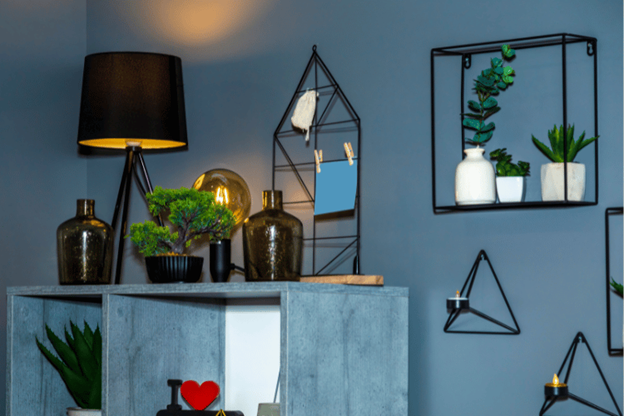
[Photo by Ales Munt from Canva.]
Home decor is constantly evolving, shaped by shifts in lifestyle, technology, and personal expression. As we move into 2026, design is becoming more about creating spaces that feel authentic, functional, and visually engaging. Homeowners are no longer chasing perfection. Instead, they are curating environments that reflect their personality, values, and daily habits.
This year’s trends lean into individuality while still embracing thoughtful design choices. From bold artistic statements to calming, nature-inspired interiors, there’s something for every style preference. Whether you’re planning a full redesign or looking to refresh a single room, understanding these emerging trends can help you make confident, lasting choices.
Personalized Spaces That Tell a Story
In 2026, homes are becoming more personal than ever. Instead of copying showroom aesthetics, people are focusing on telling their own stories through decor.
This shift shows up in several ways:
- Displaying meaningful artwork or collectibles
- Mixing vintage and modern pieces
- Incorporating travel-inspired decor
- Choosing items that reflect hobbies or interests
Rather than matching everything perfectly, homeowners are embracing contrast and character. A sleek sofa might sit next to a handcrafted wooden table, or contemporary lighting may hang above a traditional rug.
The goal is simple. Create a space that feels lived-in and uniquely yours. This approach also makes decorating more flexible, allowing you to evolve your style over time instead of committing to one rigid look.
Statement Wall Art as a Focal Point
Walls are no longer an afterthought. In 2026, they are the centerpiece of interior design. Large-scale artwork, bold prints, and thematic collections are transforming blank walls into visual anchors.
This is where curated art collections come into play. Brands like The GOAT Wall Art are helping homeowners move beyond generic prints by offering pieces that bring personality and depth into a space. Whether it’s fantasy-inspired visuals or abstract compositions, statement art can define the mood of an entire room.
When choosing wall art, consider:
- Scale: Larger pieces create a stronger impact
- Color: Tie artwork into your existing palette
- Theme: Choose a style that reflects your personality
- Placement: Center artwork at eye level for balance
Fantasy decor works particularly well in spaces where you want to create a strong emotional experience, such as bedrooms, home offices, or reading corners.
For those looking to explore this style, curated collections like those available through https://thegoatwallart.com/ offer an accessible way to introduce imaginative elements without overwhelming the space. When used thoughtfully, these pieces can transform a room into something memorable and immersive.
Nature-Inspired Interiors With a Modern Twist
While bold design is gaining traction, natural elements continue to play a major role in home decor. The difference in 2026 lies in how these elements are used. Instead of purely rustic styles, homeowners are blending nature with modern design.
Key features include:
- Organic materials like wood, stone, and linen
- Indoor plants used as design features
- Neutral tones paired with bold accents
- Natural light emphasized through minimal window treatments
This approach creates a calming environment while still feeling contemporary. It works especially well in urban homes, where incorporating natural textures can soften the overall look.
A simple way to adopt this trend is by layering materials. For example, pair a sleek metal lamp with a wooden side table or place greenery against a neutral wall to add depth without clutter.
Multi-Functional Spaces That Adapt to Daily Life
As lifestyles continue to evolve, so do our homes. In 2026, flexibility is key. Spaces are being designed to serve multiple purposes without sacrificing style.
Examples include:
- Living rooms that double as workspaces
- Bedrooms with built-in reading or relaxation zones
- Dining areas that function as creative studios
- Modular furniture that can be rearranged easily
This trend is not just practical. It also encourages smarter design choices. Instead of filling a room with unnecessary items, homeowners are prioritizing pieces that offer both function and aesthetic value.
To make this work effectively:
- Choose furniture with built-in storage
- Use rugs or lighting to define different zones
- Keep layouts adaptable rather than fixed
- Avoid overcrowding the space
The result is a home that feels open, efficient, and tailored to everyday needs.
Texture and Layering Over Minimalism
Minimalism isn’t disappearing, but it is evolving. The stark, ultra-clean look is being replaced with something warmer and more inviting. In 2026, texture plays a crucial role in adding depth and interest.
Instead of relying on color alone, designers are layering materials to create dimension:
- Soft textiles like throws and cushions
- Mixed finishes, such as matte and glossy surfaces
- Layered rugs for added warmth
- Textured wall treatments or panels
This approach allows you to keep a relatively simple color palette while still making the space feel rich and dynamic.
For example, a neutral sofa can feel completely different when paired with a chunky knit throw, velvet cushions, and a textured rug. These small additions make a big difference without requiring a full redesign.
Thoughtful Lighting as a Design Feature
Lighting is no longer just functional. It is now a central design element that can transform the mood of a space.
In 2026, lighting trends focus on:
- Layered lighting (ambient, task, and accent)
- Sculptural fixtures that act as decor
- Warm tones that create a cozy atmosphere
- Strategic placement to highlight key features like artwork
Good lighting can elevate even the simplest room. It draws attention to focal points, enhances textures, and creates a more inviting environment overall.
When planning your lighting:
- Use dimmers to control brightness
- Combine different light sources for flexibility
- Highlight statement pieces like wall art
- Avoid relying on a single overhead fixture
This layered approach makes your home feel more dynamic and adaptable throughout the day.
Conclusion
Home decor trends for 2026 reflect a clear shift toward personalization, creativity, and intentional design. Rather than following strict rules, homeowners are embracing styles that feel meaningful and adaptable to their lifestyles.
From statement wall art and fantasy-inspired elements to natural textures and multi-functional spaces, the focus is on creating environments that are both visually engaging and practical. Small changes, such as updating your lighting or adding layered textures, can have a significant impact without requiring a full renovation.
As you explore these trends, think about what resonates with you personally. The most successful spaces are not the ones that follow trends perfectly, but the ones that feel authentic and comfortable to live in.