
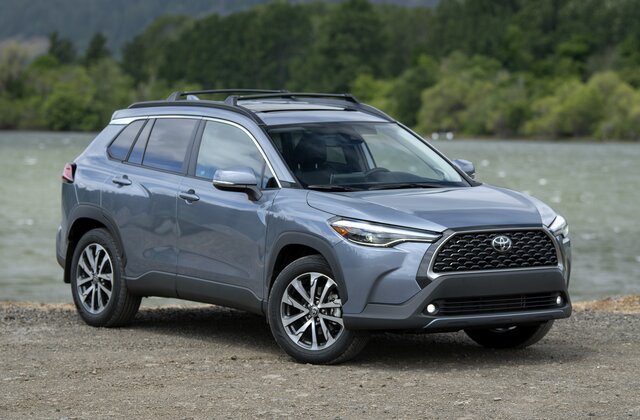
When buying a vehicle, most people focus on price, fuel efficiency, safety features, and performance. However, one critical factor that often gets overlooked is depreciation. Choosing top rated cars with lowest depreciation rate can save you thousands of dollars in the long run. A car that holds its value well ensures better resale returns, lower total ownership cost, and stronger financial security.
In this comprehensive guide, we will explore why depreciation matters, which vehicles perform best in value retention, and how to select a car that protects your investment.
Why Depreciation Matters
Depreciation is the reduction in a car’s value over time. Most new cars lose 15–25% of their value in the first year and up to 50–60% within five years. However, certain vehicles stand out by retaining a larger portion of their original value.
Choosing top rated cars with lowest depreciation rate offers several advantages:
-
Higher resale or trade-in value
-
Lower overall cost of ownership
-
Better return on investment
-
Greater demand in the used car market
-
Reduced financial risk
Vehicles that hold their value well typically combine reliability, strong brand reputation, safety, durability, and consistent demand.
Factors That Influence Low Depreciation
Not every car depreciates at the same rate. Several factors contribute to value retention:
1. Brand Reputation
Manufacturers known for reliability and durability often experience slower depreciation.
2. Reliability Ratings
Cars with fewer mechanical issues retain higher resale value.
3. Fuel Efficiency
Vehicles with strong fuel economy remain in demand even as fuel prices fluctuate.
4. Market Demand
SUVs, pickup trucks, and hybrid vehicles currently have strong resale markets.
5. Limited Supply
Vehicles with limited production runs or high desirability often maintain their value better.
Top Rated Cars With Lowest Depreciation Rate (Comparison Table)
Below is a comparison of some of the best-performing vehicles known for strong value retention:
| Car Model | Vehicle Type | Estimated 5-Year Depreciation | Why It Holds Value |
|---|---|---|---|
| Toyota Tacoma | Pickup Truck | 25–30% | Strong reliability and resale demand |
| Toyota 4Runner | SUV | 30–35% | Off-road capability and durability |
| Jeep Wrangler | SUV | 30–35% | Iconic design and strong enthusiast demand |
| Honda Civic | Sedan | 35–40% | Affordable, reliable, fuel efficient |
| Subaru Outback | Wagon/SUV | 35–40% | AWD capability and safety reputation |
| Porsche 911 | Sports Car | 30–40% | Luxury performance and limited supply |
| Toyota Corolla | Sedan | 35–40% | Global reputation for dependability |
| Chevrolet Corvette | Sports Car | 35–40% | Performance heritage and strong resale market |
These vehicles consistently appear in rankings for top rated cars with lowest depreciation rate because they combine reliability, strong consumer demand, and long-term durability.
Why SUVs and Trucks Depreciate Less
In recent years, SUVs and pickup trucks have dominated resale markets. Buyers appreciate their versatility, cargo space, towing capacity, and safety features. As a result, models like midsize trucks and rugged SUVs often retain value better than compact sedans.
Additionally, off-road capable vehicles tend to have dedicated buyer communities, increasing demand in the used market.
Sedans That Still Hold Their Value
While SUVs are popular, some sedans continue to perform well in depreciation rankings. Compact and midsize sedans known for reliability and affordability remain attractive to budget-conscious buyers.
For example, vehicles recognized among the Best Cars for Tall Drivers With Legroom also tend to have spacious interiors that appeal to a wide audience, improving resale demand.
Sedans that combine interior comfort, fuel efficiency, and low maintenance costs are especially strong in long-term value retention.
Luxury Cars With Strong Resale Value
Luxury vehicles typically depreciate faster due to higher initial prices and costly maintenance. However, certain performance-oriented and limited-production models maintain impressive resale value.
Sports cars with strong brand heritage, timeless design, and enthusiast appeal often rank among the top rated cars with lowest depreciation rate in the premium segment.
When choosing a luxury vehicle for investment purposes, look for:
-
Strong brand reputation
-
Proven reliability
-
Limited edition or high-demand trims
-
Popular color combinations
-
Lower mileage
How to Choose a Car With Low Depreciation
If your goal is long-term value retention, consider the following steps:
1. Research Historical Depreciation Data
Look at five-year value trends before purchasing.
2. Choose Popular Models
Cars with consistent sales volume typically retain demand.
3. Avoid Over-Customization
Highly personalized features can limit resale appeal.
4. Maintain the Vehicle Properly
Service records significantly increase resale value.
5. Pick Neutral Colors
White, black, silver, and gray often have stronger resale appeal.
Cost of Ownership vs. Depreciation
While depreciation is important, it should not be the only factor in your decision. Insurance, maintenance, fuel costs, and financing rates also affect total ownership cost.
However, selecting from top rated cars with lowest depreciation rate provides a major financial advantage when it comes time to sell or trade in your vehicle.
Electric and Hybrid Vehicles
Electric and hybrid cars are improving in value retention due to increasing demand and environmental awareness. Models with strong battery warranties and proven reliability are performing better than early-generation electric vehicles.
As infrastructure expands and battery technology improves, depreciation rates in this category are expected to stabilize further.
Final Thoughts
Buying a car is one of the largest purchases most people make. Choosing from the top rated cars with lowest depreciation rate ensures you protect your financial investment while enjoying reliability and performance.
Vehicles that hold their value typically share common characteristics: strong reliability, consistent demand, practical features, and respected brand reputation. Whether you prefer SUVs, trucks, sedans, or performance cars, selecting a model known for value retention will reduce long-term costs and improve resale returns.
Before making a purchase, evaluate not only the upfront price but also the projected five-year value. A smart decision today can save thousands tomorrow.
Frequently Asked Questions (FAQs)
1. What car type depreciates the least?
Pickup trucks and SUVs generally depreciate less than sedans due to strong demand and versatility.
2. How much value does a car lose in 5 years?
Most cars lose 50–60% of their value within five years, but vehicles with low depreciation may lose only 25–40%.
3. Do luxury cars depreciate faster?
In most cases, yes. However, certain performance and limited-production luxury models retain value exceptionally well.
4. Does mileage affect depreciation?
Yes. Higher mileage reduces resale value. Maintaining reasonable annual mileage improves long-term value retention.
5. Is buying a used car better to avoid depreciation?
Yes. Buying a 2–3-year-old vehicle often avoids the steepest early depreciation while still offering modern features.
If you prioritize financial efficiency and long-term savings, focusing on top rated cars with lowest depreciation rate is one of the smartest strategies when purchasing your next vehicle.