
For years, film festivals largely treated gaming as a neighboring medium rather than an equal artistic force. That separation feels increasingly outdated now, especially as modern games continue pushing narrative, cinematic, and emotional storytelling into entirely new territory. This year’s Tribeca Festival programming makes that shift impossible to ignore.
The 2026 Tribeca Games lineup is not simply showcasing video games. It is spotlighting creators who are redefining how audiences experience storytelling itself, whether through cinematic worldbuilding, live audience interaction, immersive multiplayer experiences, or emotionally layered narrative design.
And honestly, what stood out to me most while exploring this year’s programs is how confidently Tribeca now positions games beside film, television, and digital art rather than beneath them.
The result feels less like a side attraction and more like one of the festival’s most creatively ambitious sections.
CONTROL Resonant Expands One of Gaming’s Most Mysterious Universes
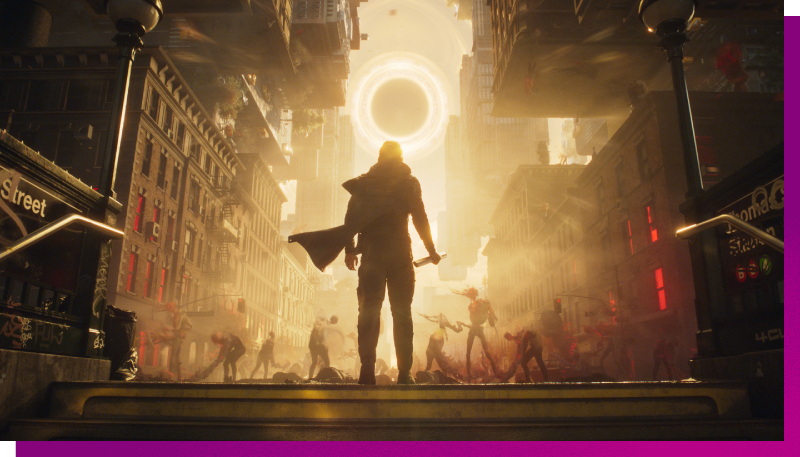
Among the most anticipated conversations this year is CONTROL Resonant, the next chapter connected to Remedy Entertainment’s acclaimed Control universe.
Taking place June 12 at the SVA Theater, the event will feature Creative Director Mikael Kasurinen in conversation with filmmaker Nia DaCosta, exploring the creative process, mechanics, and inspirations behind the project.
The premise alone already sounds deeply atmospheric. Following the disappearance of Jesse Faden after the events of The Oldest House, the story shifts focus to her younger brother Dylan, now burdened with saving a distorted version of Manhattan while wielding the mysterious Aberrant.
What makes Remedy’s storytelling so fascinating is that their games rarely function like traditional action titles. They feel dreamlike, psychological, unsettling, and cinematic in ways that blur the boundaries between gaming, horror, and experimental science fiction.
And bringing Nia DaCosta into the conversation feels especially inspired. DaCosta’s own filmmaking often explores psychological tension, fragmented identity, and genre reinvention, themes that align naturally with the eerie emotional architecture of the Control universe.
More importantly, the discussion highlights how seriously contemporary games are now being analyzed as narrative art forms rather than simple entertainment products.
Escape the Internet Turns Movie Theaters Into Massive Multiplayer Games
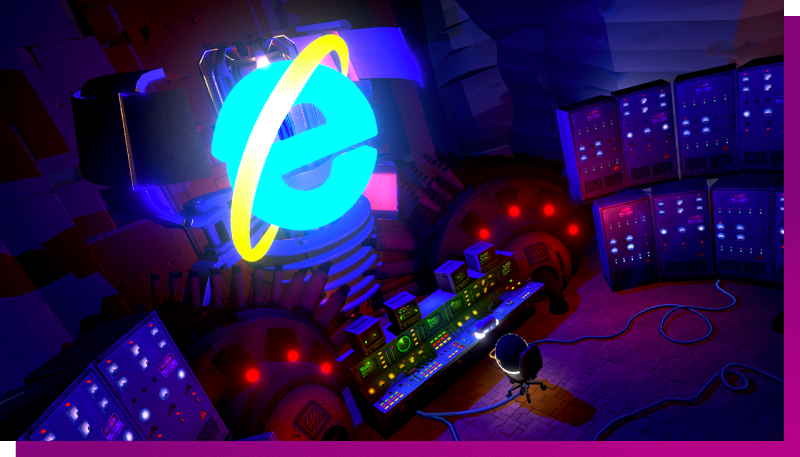
Perhaps the most genuinely innovative concept in this year’s lineup is Escape the Internet: Part 1, which premieres June 4 at AMC 19th Street.
Created by filmmaker and Tribeca alum Lucas Rizzotto, the experience transforms an entire movie theater into a live multiplayer game where hundreds of audience members use their phones to collaboratively survive an A.I. apocalypse.
And honestly, the concept sounds brilliantly chaotic.
What fascinates me most is that it completely dismantles the traditional relationship between audience and screen. Instead of passive viewing, participants actively shape the experience together in real time.
That shift feels incredibly reflective of where entertainment is heading more broadly.
Audiences increasingly want participation, immersion, unpredictability, and communal experiences rather than simply watching stories unfold from a distance. Escape the Internet appears designed precisely around that instinct.
The event also signals something larger happening culturally:
interactive storytelling is no longer confined to gaming consoles or VR headsets. It is beginning to merge directly with live events, theatrical experiences, and collective audience participation.
And Tribeca seems fully aware of how significant that evolution could become.
Dan Houser Returns to Storytelling Beyond Rockstar Games
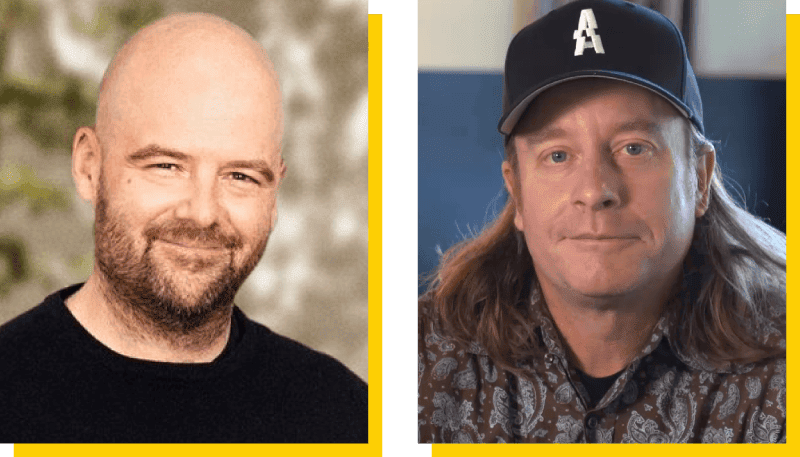
Another major highlight is the appearance of Dan Houser, co-founder of Rockstar Games and one of the most influential narrative architects in gaming history.
Best known for helping shape franchises like Grand Theft Auto and Red Dead Redemption, Houser now leads Absurd Ventures, a company focused on developing narrative worlds extending beyond traditional gaming.
His June 13 Storytelling Summit conversation alongside longtime collaborator Lazlow will reportedly explore worldbuilding, narrative evolution, and storytelling across mediums with partners from Dark Horse, Smilegate, and others.
That discussion feels especially important right now because gaming increasingly influences how storytelling functions across all entertainment industries.
Modern open-world games have arguably become some of the most ambitious narrative environments ever created, combining writing, music, architecture, performance, player agency, and cinematic design into experiences capable of lasting dozens or even hundreds of hours.
Houser’s perspective on where storytelling moves next beyond games alone could easily become one of the festival’s most insightful conversations.
Tribeca Understands That Games Are Now Cultural Storytelling Platforms
What makes this year’s lineup especially compelling is that none of these events treat gaming as isolated technology.
Instead, Tribeca frames games as emotional, artistic, and social experiences.
That distinction matters.
For years, conversations around gaming focused heavily on hardware, competition, or industry economics. But modern narrative games increasingly function more like immersive cinematic worlds, spaces where audiences emotionally inhabit stories rather than simply consume them.
The rise of story-driven titles, interactive cinema, and immersive multiplayer experiences has fundamentally changed what “storytelling” even means.
Tribeca appears to recognize that transformation fully.
And honestly, festivals willing to embrace those creative shifts rather than resist them will likely shape the future cultural conversation around entertainment.
The Festival Experience Is Becoming More Interactive Itself
Another interesting aspect of this year’s Games programming is how physically experiential many events feel.
The free Tribeca Games Gallery at Pier 57, running June 10 to 14, invites attendees to directly engage with official selections firsthand rather than simply watch demonstrations or trailers.
That approach reflects something increasingly important about gaming culture:
people want immersion.
Whether through multiplayer audience participation, live demonstrations, playable exhibitions, or behind-the-scenes creative conversations, the line between creator and audience continues becoming more collaborative.
And unlike traditional film screenings, games naturally encourage that interactivity.
Why This Matters Beyond Gaming
Even for people who do not actively follow gaming culture, this year’s Tribeca Games lineup still feels culturally important.
Because what these projects are really exploring is the future of storytelling itself.
How do audiences participate emotionally?
How do narrative worlds extend beyond single mediums?
What happens when stories become collaborative rather than passive?
How do technology and emotional connection coexist artistically?
Those questions now extend far beyond gaming alone.
In many ways, gaming has become one of the most experimental storytelling laboratories anywhere in modern entertainment.
And Tribeca’s willingness to center that reality feels both timely and smart.
Final Thoughts
The most exciting thing about the 2026 Tribeca Games programming is not simply the celebrity names or major franchises involved.
It is the feeling that these events are documenting a larger creative transition already happening across entertainment.
Games are no longer sitting at the edge of storytelling culture.
They are helping redefine it.
Whether through surreal narrative worlds like CONTROL Resonant, live interactive experiences like Escape the Internet, or expansive cross-platform worldbuilding conversations with Dan Houser, this year’s lineup makes one thing increasingly clear:
The future of storytelling will likely be immersive, participatory, emotionally layered, and impossible to confine to a single medium.
And honestly, that future already looks incredibly exciting.
For more information, visit here.
She’s All Over the Place Podcast