

Understanding the egg donation process steps is essential for intended parents considering this path to parenthood. Whether you’re exploring fresh or frozen cycles, knowing what to expect at each stage can help you make confident decisions about your fertility journey.
What Is the Egg Donation Process Steps?
The egg donation process steps represent a structured pathway that allows intended parents to build their families with the help of a generous egg donor. This comprehensive process involves multiple stages, medical evaluations, legal considerations, and emotional preparation. From the initial consultation through embryo transfer, each step is carefully designed to ensure the best possible outcomes for all parties involved, including the donor, the intended parents, and the future child. The process typically takes several months from start to finish, and understanding each stage helps reduce anxiety and prepares you mentally and emotionally for the journey ahead. Many fertility clinics have refined their protocols over decades of experience, creating standardized approaches that balance safety, efficacy, and ethical considerations. The steps include initial consultations, donor selection, medical screenings, hormone stimulation, egg retrieval, fertilization, embryo development, and finally, the embryo transfer to the intended mother or gestational carrier. Each step is critical and builds upon the previous one, creating a comprehensive system designed to achieve pregnancy and bring a healthy baby into your family. The success of the overall process depends on careful attention to detail at every stage.
 Understanding the Egg Donation Process Steps in Detail
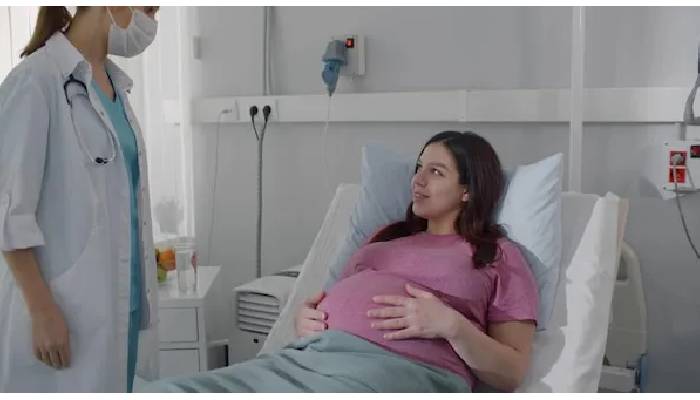 Understanding the Egg Donation Process Steps in Detail
When you embark on the egg donation journey, it’s important to understand that the process is divided into distinct phases that serve different purposes. The first phase involves consultation and matching, where you’ll meet with fertility specialists to discuss your specific situation, medical history, and goals. During this phase, you’ll also begin the process of selecting an egg donor who matches your preferences regarding physical characteristics, educational background, ethnicity, and medical history. The second phase encompasses medical testing and preparation, where both the donor and the intended mother undergo comprehensive health screenings, including blood tests, genetic testing, and psychological evaluations. This ensures that everyone involved is healthy and ready for the hormonal treatments that follow. The third phase is the stimulation and monitoring phase, where the donor takes hormone injections to stimulate her ovaries to produce multiple eggs, and medical staff monitor her progress through ultrasounds and blood tests. The fourth phase is the egg retrieval, a minor surgical procedure performed under anesthesia where a doctor uses ultrasound guidance to extract the mature eggs from the donor’s ovaries. Once retrieved, the eggs move into the fifth phase: fertilization and embryo development, where the eggs are combined with sperm (from the intended father or a donor) in a laboratory, and the resulting embryos are carefully monitored as they develop. Finally, the sixth phase is embryo transfer, where one or more healthy embryos are placed into the uterus of the intended mother or gestational surrogate, with the hope of achieving a successful pregnancy. Understanding these phases provides a roadmap for what to expect and helps you prepare psychologically and practically for each stage.
Selecting Your Egg Donor: A Critical Decision in the Egg Donation Process Steps
Choosing the right egg donor is one of the most significant decisions you’ll make during the egg donation process steps. Most fertility clinics maintain databases of pre-screened donors who have undergone extensive medical, genetic, and psychological evaluations. When reviewing potential donors, you can typically access information about their medical history, family medical history, physical characteristics, personality traits, education, career, hobbies, and personal essays. This information helps you select a donor whose genetic background, values, and characteristics align with your preferences. Some intended parents prioritize genetic traits, while others focus more on the donor’s character and values. It’s important to remember that the egg donor contributes genetics to your child, but you and your partner (or you alone) will provide the environment, love, and values that shape your child’s life. Many clinics also offer the opportunity to review the donor’s photograph and sometimes video interviews. The matching process typically takes several weeks to a few months, depending on your specific preferences and the availability of donors. Once you’ve selected a donor, legal agreements are drafted to clarify everyone’s rights and responsibilities, including the donor’s agreement to relinquish all parental rights and your agreement to assume full parental responsibility. Working with a fertility lawyer specializing in reproductive law is essential to ensure all legal documents are properly executed. The psychological and emotional aspects of donor selection should not be underestimated; many intended parents benefit from counseling to process their feelings about using an egg donor and to prepare for conversations they may have with their future child about their genetic origins.
Medical Screening and Preparation in the Egg Donation Process Steps
Before the egg donation process steps can proceed to the stimulation phase, both the egg donor and the intended parents must undergo comprehensive medical screenings. For the egg donor, these screenings include a complete physical examination, blood tests to screen for infectious diseases such as HIV, hepatitis B and C, syphilis, and other sexually transmitted infections, and genetic testing to identify carrier status for genetic disorders. The donor will also undergo a transvaginal ultrasound to assess her ovarian reserve and confirm her reproductive health. Additionally, a mental health professional will conduct a psychological evaluation to ensure the donor understands the implications of egg donation and is emotionally prepared for the process. For the intended mother, medical screening includes a complete physical examination, blood tests, infectious disease screening, genetic carrier screening, and a hysterosalpingogram or sonohysterogram to assess the uterus and fallopian tubes. If applicable, the intended father will undergo a semen analysis to evaluate sperm quality and quantity. These medical evaluations serve multiple purposes: they ensure the health and safety of all parties involved, they identify any medical conditions that might affect the success of the process, and they provide a baseline for comparison if complications arise later. Once medical clearance is obtained, the intended mother begins taking birth control pills to synchronize her menstrual cycle with the donor’s cycle. This hormonal coordination is crucial because it ensures that the intended mother’s uterus is optimally prepared to receive the embryo at precisely the right time when the embryo is ready for implantation. The process typically takes two to three weeks to complete the synchronization, during which time the donor is preparing to begin her stimulation medications.
Egg Retrieval and Fertilization: Key Milestones in the Egg Donation Process Steps
Once the donor’s ovaries have been stimulated and the eggs are mature, the retrieval procedure is scheduled. This outpatient procedure typically takes about thirty minutes and is performed under twilight anesthesia. The fertility doctor uses an ultrasound probe to visualize the ovaries and carefully inserts a needle through the vaginal wall into each follicle to aspirate the egg. The eggs are immediately passed to an embryologist in the laboratory who assesses their quality and maturity. On the same day as egg retrieval, if using fresh sperm from the intended father, a semen sample is collected and processed in the laboratory. The eggs and sperm are then combined either through conventional in vitro fertilization (IVF), where eggs and sperm are placed together in a culture dish, or through intracytoplasmic sperm injection (ICSI), where a single sperm is injected directly into each egg using a microscopic needle. ICSI is often recommended when there are sperm quality concerns. Over the next several days, the embryologist monitors the developing embryos, recording their growth and cellular division. High-quality embryos typically show specific characteristics at each stage of development: on day one, they should show two pronuclei indicating successful fertilization; on day two or three, they should have divided into four to eight cells; and by day five or six, they should have developed into blastocysts with a clearly defined inner cell mass and trophectoderm. The clinic will provide daily updates on embryo development, and this can be an emotionally intense time as you await news of your embryos’ progress. fresh versus frozen egg cycles each have their own advantages and timing considerations that will be discussed with your fertility team. Some clinics recommend freezing all embryos for transfer in a future cycle, which allows time for additional testing and provides flexibility in timing, while others may recommend a fresh transfer if circumstances are optimal.
Embryo Transfer and Beyond: Completing the Egg Donation Process Steps
Once embryos have developed to the blastocyst stage (typically five to six days after retrieval), the transfer procedure is scheduled. This procedure is far simpler and less invasive than egg retrieval; no anesthesia is required, and the whole process usually takes only a few minutes. The patient lies on an examination table in the same position as for a Pap smear, and the fertility doctor inserts a speculum to visualize the cervix. A thin catheter loaded with the selected embryo or embryos is gently passed through the cervix into the uterus, where the embryo or embryos are deposited into the optimal location. Many fertility clinics perform embryo transfers under ultrasound guidance to maximize the chances of correct placement. After transfer, the patient rests for a short period and then returns home, where normal activity can generally resume. The waiting period between embryo transfer and pregnancy testing is often the most emotionally challenging part of the entire egg donation process steps. During the two weeks following transfer, hormonal support continues, typically including progesterone supplementation, either through intramuscular injections, vaginal suppositories, or oral medications. This progesterone is essential for maintaining the uterine lining and supporting early pregnancy. On the fourteenth day after transfer, a blood test is performed to measure human chorionic gonadotropin (hCG), the hormone produced by a developing pregnancy.
Conclusion
The egg donation process steps represent a remarkable achievement in reproductive medicine, offering hope and the possibility of genetic parenthood to individuals and couples who might not otherwise be able to have biological children. By understanding each stage of the process—from donor selection through medical preparation, egg retrieval, fertilization, and embryo transfer—you can approach your fertility journey with confidence and realistic expectations. While the process requires significant time, emotional energy, and financial resources, the reward of bringing a healthy baby into your family makes it a worthwhile investment for many people. Working closely with an experienced fertility team, maintaining open communication, and seeking support from counselors, family, and others who have walked this path can help make the journey more manageable and successful.