
In today’s world, radiator design has evolved far beyond the traditional models, becoming an integral part of interior aesthetics as well as efficient heating solutions. One of the popular styles that has stood the test of time is the column radiator, known for its classic look and effective performance. As radiator models continue to diversify, it is crucial to understand the array of materials that contribute to their functionality, cost-effectiveness, and style. This article delves into the various materials used in contemporary radiator design, helping you make informed choices for your home heating needs.
Traditionally Favoured Materials
The history of radiators has seen cast iron being a dominant material choice due to its excellent heat retention abilities. Despite taking longer to heat up, cast iron remains warm longer compared to other materials, making it an energy-efficient option. Its characteristic heft and robust durability have kept it in demand, although installation can be cumbersome due to its weight.
Another commonly used material is steel, renowned for its versatility and wide range of designs. Steel radiators tend to heat up quickly and exhibit good thermal efficiency, though they cool down just as fast as they heat up. This makes them ideal for spaces where quick temperature changes are necessary.
Innovative Use of Aluminium
Aluminium has emerged as a modern carver of niche in radiator design. Known for its lightweight and corrosion-resistant properties, aluminium radiators are appreciated for their rapid heat conduction, ensuring quick responsiveness. Their malleability allows manufacturers to explore innovative shapes and designs, fitting seamlessly into diverse interior themes. Additionally, aluminium radiators are highly recyclable, lending to environmentally friendly practices.
The Rise of Stainless Steel
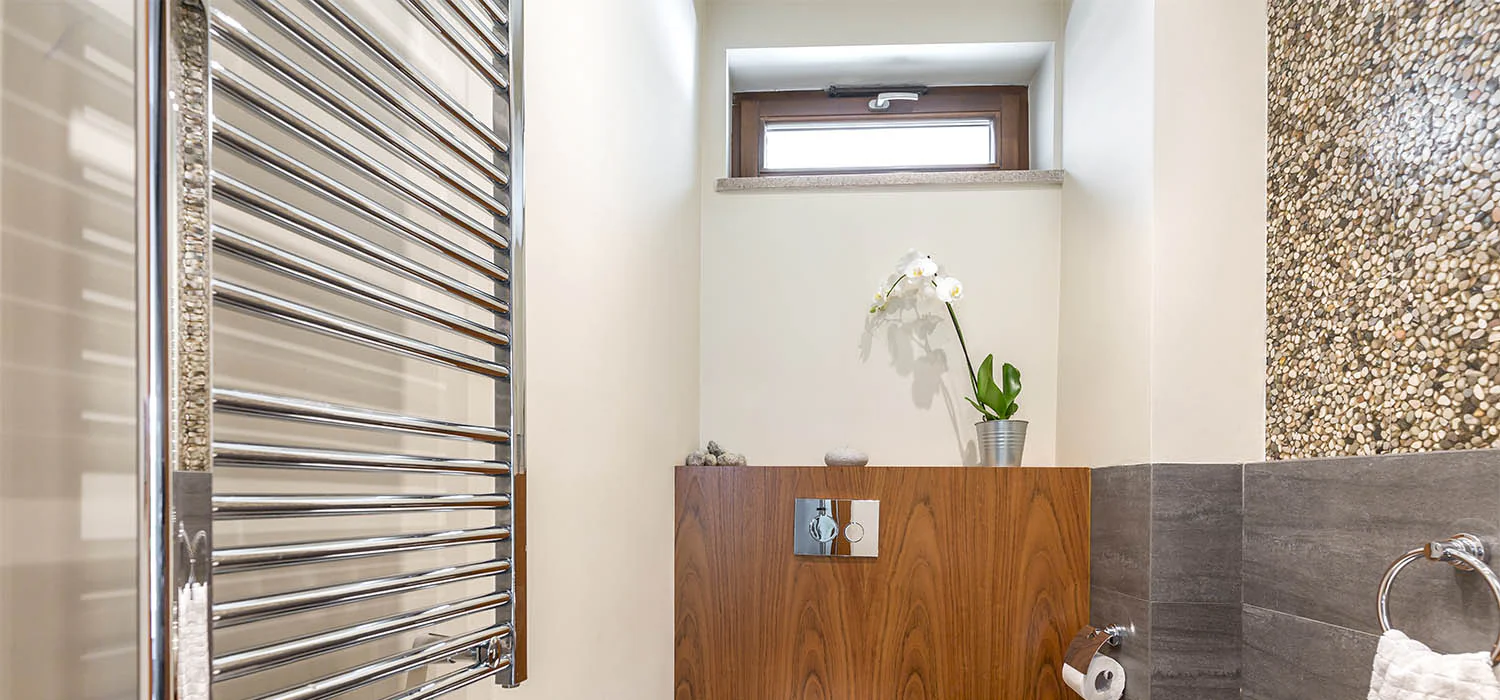
In recent years, stainless steel has gained traction in the radiator market. Its innate resistance to corrosion and oxidation renders it ideal for humid environments like bathrooms and kitchens. Stainless steel radiators are not only highly durable but also maintain a sleek, contemporary aesthetic that’s visually appealing. Though it may come at a higher price point, the investment is often justified by its lasting quality and low maintenance requirements.
Glass Radiators: A Fusion of Art and Functionality
For those seeking to make a bold statement, glass radiators offer an avant-garde option. Though less common, they provide efficient heating while doubling as a piece of art within the room. Incorporating innovative heating technologies such as infrared, glass radiators offer a unique way to integrate design and function. They are best suited for modern spaces where design is as important as functionality.
Choosing the Right Material for Your Space
When selecting a radiator, it is crucial to consider both the functional requirements and the aesthetic impact. Factors such as the room size, insulation level, and existing decor will influence the choice of material. Assessing your heating efficiency needs and budget will also guide you in selecting the most appropriate material. Whether it’s the classic appeal of cast iron, the practicality of steel, the modern aesthetic of aluminium or stainless steel, or the innovative allure of glass, each material brings its unique advantages to the table.
Understanding the diverse material options available helps homeowners and designers make informed decisions, ensuring that the chosen radiators meet the heating demands while complementing the interior theme. As we advance in technology and design, the materials used in radiator construction will undoubtedly continue to evolve, promising enhanced efficiency, sustainability, and aesthetic appeal.