

In recent years, microplastics have emerged as one of the most alarming environmental issues facing humanity. These tiny particles, which are less than 5mm in size, have infiltrated nearly every corner of the planet, from the deepest oceans to the highest mountains. The presence of microplastics in our environment, food, water, and air has raised serious concerns about their potential impact on human health. This pervasive contamination has led to an increase in awareness regarding the need for comprehensive testing to understand the extent of exposure and its possible consequences.
For individuals who are concerned about the potential risks of microplastic exposure, testing has become an important tool in assessing personal health. Enter the Microplastic Blood Test Kit, a groundbreaking product designed to help individuals take control of their health by detecting the presence of microplastics in their blood. This kit offers a convenient and non-invasive method for anyone who suspects they may have been exposed to microplastics and want to understand the extent of this exposure.
What Are Microplastics and Why Should We Be Concerned?
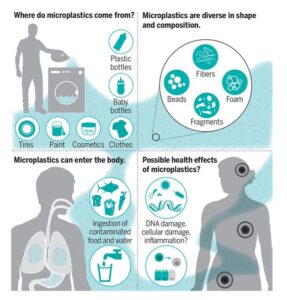
Microplastics are small plastic particles that result from the breakdown of larger plastic items. They are typically categorized into two types: primary and secondary. Primary microplastics are manufactured at a small size, such as microbeads in cosmetics or microfibers shed from clothing. Secondary microplastics, on the other hand, form when larger plastic items degrade into smaller fragments through natural environmental processes such as sunlight, wind, and ocean currents.

Microplastics have become a ubiquitous environmental contaminant, found in nearly all ecosystems. Recent studies have shown that they are present in drinking water, soil, and even the air we breathe. What’s even more concerning is that microplastics have now been detected in human tissues, including blood, liver, and kidneys, indicating that these particles may be entering the body through ingestion, inhalation, and even skin absorption. The long-term health effects of microplastic exposure are still being studied, but early research has linked it to a range of potential health issues, including inflammation, hormonal disruption, and oxidative stress.
In addition to these potential health risks, microplastics contribute to the growing global pollution crisis, harming wildlife and ecosystems. Animals ingest microplastics, mistaking them for food, which can lead to malnutrition, poisoning, and even death. As the problem of microplastic pollution continues to grow, it becomes increasingly important for individuals to monitor their exposure and take proactive steps to reduce their risk.
The Microplastic Blood Test Kit: A New Approach to Personal Health Monitoring
Understanding the impact of microplastic exposure on personal health is crucial, especially as this type of pollution becomes more widespread. The Microplastic Blood Test Kit is an innovative solution designed to help individuals assess the presence of microplastics in their bloodstream. This at-home test provides a simple and effective way to monitor microplastic contamination and gain insights into potential health risks.
The test works by analyzing a blood sample for traces of microplastic particles. The kit includes everything needed to collect and send the sample for laboratory analysis. Once the sample is received, it undergoes a detailed analysis that identifies the types and concentrations of microplastics present in the blood. The results are then provided to the user in a comprehensive report that highlights the level of exposure and offers guidance on next steps.
What sets this test apart is its accessibility. Previously, detecting microplastics in the human body required specialized laboratory equipment and was often only available to researchers or individuals undergoing clinical studies. The Microplastic Blood Test Kit makes this valuable tool available to the public, empowering individuals to take charge of their health and better understand the potential risks associated with microplastic exposure.
How the Microplastic Blood Test Kit Works
Using the Microplastic Blood Test Kit is simple and straightforward. The kit contains all the necessary tools for collecting a blood sample from the comfort of your home. Here’s a step-by-step overview of how it works:
- Collecting the Sample: The test includes a small lancet device that allows you to safely and easily prick your finger to obtain a small blood sample. The kit also provides sterile collection tubes and instructions on how to properly handle the sample to ensure its accuracy.
- Sending the Sample for Analysis: Once the sample is collected, it is sent to a certified laboratory where it is analyzed for microplastics. The lab uses state-of-the-art technology to detect and quantify the microplastics in the blood.
- Receiving Your Results: After the laboratory completes the analysis, the results are sent back to you in a detailed report. The report will indicate the types of microplastics found, as well as the concentration of particles in your blood. The report may also provide recommendations on how to reduce exposure and improve your health.
The Health Risks of Microplastic Exposure: What the Test Can Reveal
Microplastics are not inert substances; they can have harmful effects on human health, especially when they accumulate in the body. Studies have shown that microplastics can cause inflammation, oxidative stress, and tissue damage. The presence of microplastics in human blood has been linked to a range of potential health issues, including:
-
Inflammation and Immune Response: Microplastics can trigger an immune response in the body, leading to chronic inflammation. This inflammation can contribute to the development of various health conditions, including autoimmune diseases, allergies, and even cancer.
-
Hormonal Disruption: Some microplastics contain chemicals that act as endocrine disruptors, interfering with the body’s hormonal balance. This can lead to reproductive health issues, developmental problems in children, and even an increased risk of certain cancers.
-
Oxidative Stress and Cellular Damage: The tiny size of microplastics allows them to penetrate tissues and cells, where they can cause oxidative stress. This can damage cells and tissues, leading to premature aging and a higher risk of chronic diseases such as cardiovascular disease and neurodegenerative disorders.
-
Bioaccumulation and Toxicity: Microplastics can accumulate in the body over time, leading to a buildup of harmful particles in tissues. The longer the exposure, the greater the potential for toxicity and the higher the risk of adverse health effects.
By using the Microplastic Blood Test Kit, individuals can gain valuable insights into their level of exposure to these harmful particles. The test results can serve as an early warning system, alerting individuals to potential health risks before they develop into more serious conditions.
The Importance of Early Detection and Prevention
One of the key benefits of using the Microplastic Blood Test Kit is the ability to detect microplastic exposure early, even before symptoms of health problems arise. Early detection allows individuals to take proactive steps to reduce their exposure and minimize potential health risks.
While microplastic exposure cannot be completely eliminated, there are several actions that individuals can take to reduce their risk:
-
Avoiding Single-Use Plastics: One of the most effective ways to reduce microplastic exposure is by minimizing the use of single-use plastics. These items, such as plastic bottles, straws, and food packaging, are major contributors to microplastic pollution.
-
Choosing Natural and Sustainable Materials: Opting for natural materials like cotton, wool, and wood over synthetic fabrics and plastics can help reduce the number of microplastics in your environment.
-
Improving Air and Water Filtration: Installing air and water filtration systems in your home can help remove microplastics from your living space. These systems can help reduce the concentration of microplastics in the air you breathe and the water you drink.
-
Eating Organic and Whole Foods: Opting for organic and whole foods can reduce your exposure to microplastics that may be present in processed foods and packaging.
By making these changes and monitoring your microplastic exposure with the Microplastic Blood Test Kit, you can take control of your health and reduce your risk of potential health problems associated with microplastics.
Conclusion: Empowering Individuals to Protect Their Health
The Microplastic Blood Test Kit is an essential tool for individuals who are concerned about the hidden dangers of microplastic exposure. By providing a simple, accessible way to test for microplastics in the blood, the kit empowers people to take control of their health and make informed decisions about their exposure to these harmful particles.
As microplastics continue to infiltrate our environment, it is crucial for individuals to be proactive in monitoring their exposure and taking steps to protect their health. The Microplastic Blood Test Kit offers a valuable solution for anyone who wants to better understand the potential impact of microplastic pollution on their body and take action to reduce their risk.
By embracing early detection, prevention, and lifestyle changes, we can work together to reduce the harmful effects of microplastics and create a healthier, cleaner world for future generations.
Learn More About Microplastic Testing and Its Benefits
To understand more about microplastic exposure and how the Microplastic Blood Test Kit can help you monitor your health, watch https://www.youtube.com/embed/YUBkRSHo8eE