
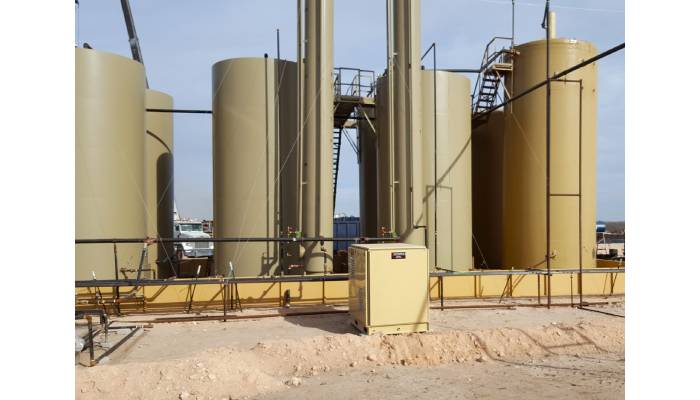
Vapor recovery units service is essential for facilities handling volatile organic compounds (VOCs) to maintain environmental compliance and operational efficiency. These critical systems capture harmful vapors during fuel transfer and storage operations, preventing atmospheric pollution. This comprehensive guide covers everything you need to know about VRU maintenance, regulatory requirements, and selecting the right service provider for your facility.
What Is Vapor Recovery Units Service?
Vapor recovery units service encompasses all maintenance, repair, and optimization activities for vapor recovery systems used in petroleum terminals, chemical plants, and fuel distribution facilities. These systems capture vapors displaced during loading and unloading operations, processing them through recovery or destruction technologies. Regular service ensures optimal performance, regulatory compliance, and extended equipment lifespan.
Professional service providers conduct routine inspections, component replacements, performance testing, and emergency repairs. VRUs contain complex assemblies including blowers, compressors, carbon beds, and monitoring systems requiring specialized expertise. Proper maintenance prevents costly downtime, reduces emissions violations, and maintains safety standards. Facilities depend on reliable VRU operation to meet environmental permits and continue operations without interruption.
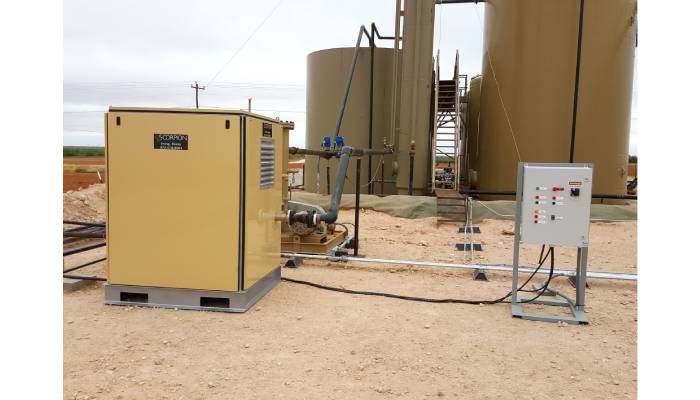
Why Vapor Recovery Units Service Matters for Compliance?
Regular vapor recovery systems maintenance is critical for meeting EPA and state environmental regulations. Non-compliant VRUs can release excessive VOCs, triggering violations, fines, and potential shutdown orders. Environmental agencies conduct regular inspections and require documented maintenance records proving your systems function as designed.
Beyond regulatory requirements, well-maintained VRUs protect worker health by minimizing exposure to hazardous vapors. Efficient systems reduce product loss, improving profitability through recovered materials. Poorly maintained units consume more energy, increase operating costs, and risk catastrophic failures. Investing in professional service protects your facility from environmental liability while optimizing operational performance and reducing long-term costs.
How To Identify Service Requirements?
Recognizing when your VRU needs service prevents unexpected failures and compliance issues. Warning signs include unusual noises from blowers or compressors, increased pressure readings, and visible emissions during transfer operations. Monitoring systems may trigger alarms for high VOC concentrations or flow rate deviations requiring immediate attention.
Scheduled maintenance intervals vary by equipment type and operating conditions, typically ranging from quarterly to annual service. Review manufacturer recommendations and regulatory requirements to establish appropriate service frequencies. Keep detailed logs of all inspections, repairs, and performance tests. Proactive maintenance based on condition monitoring is more cost-effective than reactive repairs after failures occur.
Key Components Requiring Regular Maintenance
VRU systems contain multiple critical components each requiring specific maintenance attention. Blowers and compressors need regular lubrication, belt inspections, and vibration analysis to prevent mechanical failures. Carbon beds require periodic replacement or regeneration to maintain adsorption efficiency and prevent breakthrough emissions.
Monitoring equipment including PID sensors, flow meters, and pressure transmitters need calibration to ensure accurate readings. Control valves, flame arrestors, and safety devices require functional testing to verify proper operation. Electrical systems, control panels, and instrumentation need inspection for corrosion, loose connections, and component wear. Comprehensive maintenance addresses all components systematically to ensure complete system reliability.
Selecting The Right Service Provider
Choosing a qualified VRU service provider ensures competent maintenance without compliance risks. Look for companies with proven experience in vapor recovery technologies and certified technicians trained on your specific equipment. Verify their knowledge of applicable environmental regulations and ability to provide required documentation for regulatory audits.
Reputable providers offer preventive maintenance programs, 24/7 emergency support, and performance optimization services. Request references from similar facilities and review their safety records and response times. Consider providers offering remote monitoring capabilities for real-time system oversight. A good service partner becomes an extension of your team, helping maintain compliance while minimizing operational disruptions.
Cost Considerations For VRU Service
Understanding service costs helps budget appropriately and compare provider proposals effectively. Preventive maintenance contracts typically offer better value than reactive repairs, reducing unexpected expenses and downtime. Factor in costs for replacement parts, specialized testing equipment, and regulatory reporting requirements.
Investing in quality service delivers returns through avoided fines, reduced energy consumption, and extended equipment life. Compare total cost of ownership including emergency repair risks when evaluating service options. Some providers offer performance-based contracts aligning their incentives with your operational goals. Transparent pricing and detailed service reports help track value and justify maintenance investments to management.
Conclusion
Vapor recovery units service is a critical investment for facilities committed to environmental compliance and operational excellence. Regular maintenance prevents violations, reduces costs, and ensures reliable system performance. Partner with experienced service providers who understand your regulatory obligations and operational needs.
Internal Link Suggestion: Link to related article about “”VOC Emissions Monitoring Best Practices”” for readers interested in comprehensive environmental compliance strategies.