
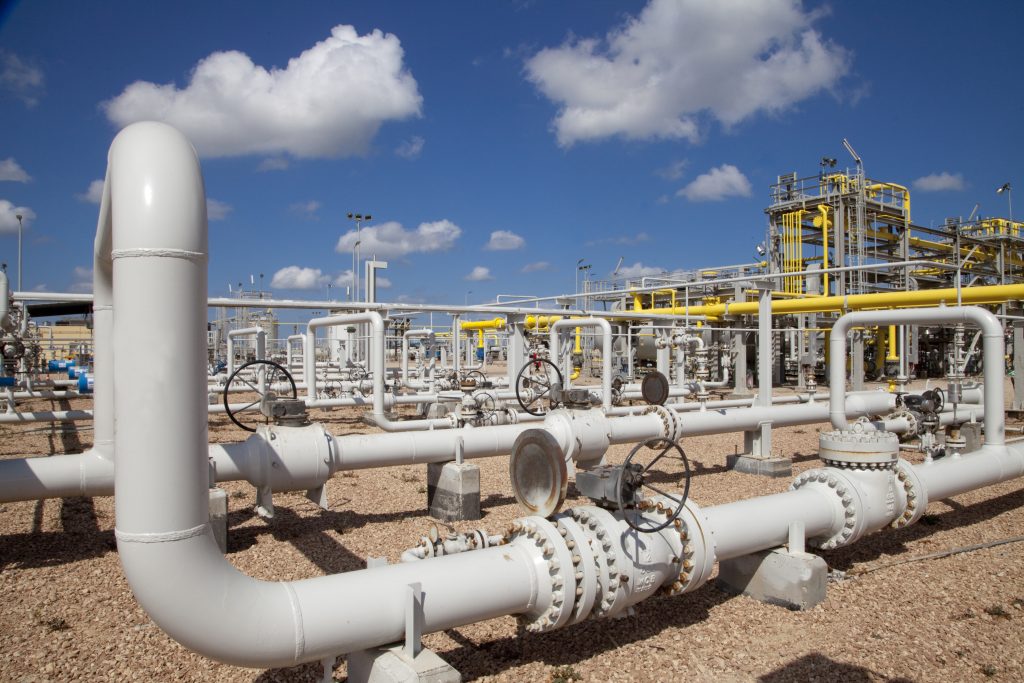
A vapour recovery unit oil and gas system is an essential piece of equipment used in the petroleum industry to capture and recover volatile organic compounds (VOCs) and hydrocarbon vapors that would otherwise be released into the atmosphere. Visit vapour recovery unit oil and gas to learn more about these innovative solutions. These units play a crucial role in environmental protection, regulatory compliance, and operational efficiency across various sectors of the oil and gas industry.
The implementation of vapour recovery unit oil and gas technology has become increasingly important as environmental regulations tighten worldwide. These systems not only help companies meet emission standards but also recover valuable products that can be reprocessed or sold, making them both environmentally and economically beneficial.
Types of Vapour Recovery Units
There are several different types of vapour recovery unit oil and gas systems available, each designed for specific applications and capacity requirements:
- Stage I Vapour Recovery – Captures vapors during gasoline dispensing operations at fuel stations
- Stage II Vapour Recovery – Used during vehicle refueling to capture vapors from the vehicle tank
- Centralized Vapour Recovery – Collects vapors from multiple sources at large facilities
- membrane-based Systems – Uses selective membranes to separate hydrocarbon vapors from air
- Compression-based Systems – Employs compressors to compress and condense vapors
- Absorption Systems – Uses absorbent liquids to capture hydrocarbon vapors
Benefits of Implementing Vapour Recovery Units
Investing in vapour recovery unit oil and gas technology offers numerous advantages for companies in the petroleum industry:
- Environmental Protection – Significantly reduces greenhouse gas emissions and air pollutants
- Regulatory Compliance – Helps facilities meet EPA and local environmental regulations
- Cost Savings – Recovers valuable hydrocarbons that can be reused or sold
- Improved Safety – Reduces the risk of vapor-related accidents and explosions
- Enhanced Reputation – Demonstrates commitment to environmental sustainability
- Operational Efficiency – Optimizes resource utilization and reduces product loss
- Community Relations – Minimizes odor complaints and improves relationships with nearby communities
Applications of Vapour Recovery in Oil and Gas
Vapour recovery unit oil and gas systems are utilized across a wide range of applications within the industry:
- Oil Terminals – Capture vapors during tank loading and unloading operations
- Refineries – Recover vapors from various processing units
- Petrochemical Plants – Handle hydrocarbon vapors from production processes
- Fuel Storage Terminals – Manage vapors from large storage tanks
- Gas Processing Facilities – Separate and recover valuable NGLs from natural gas streams
- Offshore Platforms – Capture vented gases for reinjection or processing
How Vapour Recovery Technology Works?
Understanding how a vapour recovery unit oil and gas system operates is essential for proper implementation and maintenance. The basic process involves capturing hydrocarbon vapors, processing them to remove impurities, and condensing or compressing them into liquid form for reuse.
The captured vapors undergo several treatment stages including filtration, compression, cooling, and separation. Modern units like those available at heroprocesssolutions utilize advanced control systems to optimize recovery rates and ensure consistent performance under varying operating conditions.
Choosing the Right Vapour Recovery System
Selecting the appropriate vapour recovery unit oil and gas solution requires careful consideration of several factors:
- ?? Requirements – The volume of vapor to be processed
- Hydrocarbon Composition – Type and concentration of vapors
- Operating Conditions – Temperature, pressure, and environmental factors
- Regulatory Requirements – Local emission standards and compliance needs
- Available Space – Physical constraints of the installation site
- Budget Considerations – Initial investment and ongoing operational costs
Conclusion
Vapour recovery unit oil and gas technology has become an indispensable part of modern petroleum operations. As environmental regulations continue to tighten and sustainability becomes a higher priority, the importance of these systems will only increase. Companies that invest in effective vapour recovery solutions not only ensure regulatory compliance but also contribute to a cleaner environment while potentially improving their bottom line through product recovery.