
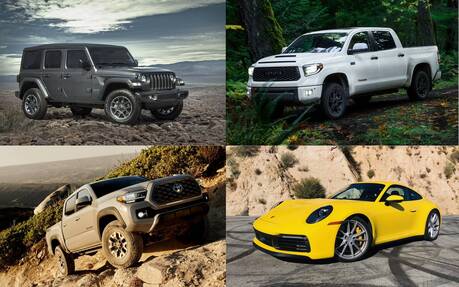
When purchasing a vehicle, many buyers focus on price, fuel efficiency, or design. However, one of the most important long-term financial factors is depreciation. Depreciation refers to how much a vehicle loses value over time. Some vehicles retain their value far better than others, making them a smarter investment for resale or trade-in.
This guide explores which vehicles have low depreciation, why they hold value, and how to make a purchase decision that protects your money over the long term.
What Is Vehicle Depreciation?
Vehicle depreciation is the reduction in a car’s value as it ages and accumulates mileage. Most vehicles lose a significant portion of their value within the first five years, with the steepest drop usually occurring in the first two to three years.
Low-depreciation vehicles are those that maintain strong resale value due to reliability, demand, brand reputation, and lower ownership costs.
Why Low Depreciation Matters
Choosing a vehicle with low depreciation offers several benefits:
-
Higher resale or trade-in value
-
Lower total cost of ownership
-
Better return on investment
-
Easier resale due to strong market demand
For buyers who plan to upgrade in the future, depreciation can be more important than the initial purchase price.
Factors That Affect Vehicle Depreciation
Several factors influence how quickly a vehicle loses value.
Brand Reputation
Brands known for reliability and longevity tend to retain value better than those with frequent mechanical issues.
Reliability and Maintenance Costs
Vehicles with lower repair and maintenance costs depreciate more slowly because buyers trust them in the used-car market.
Fuel Efficiency
Fuel-efficient and hybrid vehicles often maintain value due to lower running costs.
Demand and Market Trends
Popular vehicle types such as compact SUVs and pickup trucks typically depreciate more slowly.
Build Quality and Longevity
Vehicles designed for long-term use, including durable engines and interiors, hold their value better.
Vehicle Types with Low Depreciation
Certain categories of vehicles are known for strong value retention.
Compact and Midsize SUVs
SUVs remain in high demand due to versatility, space, and comfort. Many models retain value well because they appeal to families and individuals alike.
Pickup Trucks
Pickup trucks consistently rank among the lowest-depreciating vehicles due to durability, utility, and strong demand in both urban and rural markets.
Hybrid Vehicles
Hybrid cars often retain value due to fuel efficiency, lower emissions, and long-term cost savings.
Economy Cars with Proven Reliability
Simple, fuel-efficient sedans with strong reliability records continue to attract buyers in the used-car market.
Vehicles Known for Low Depreciation
| Vehicle Type | Reason for Low Depreciation | Ownership Advantage |
|---|---|---|
| Compact SUV | High demand and versatility | Strong resale value |
| Pickup Truck | Durability and utility | Long-term reliability |
| Hybrid Sedan | Fuel efficiency | Lower running costs |
| Reliable Economy Car | Low maintenance | Affordable ownership |
| Off-Road SUV | Specialized demand | Niche market value |
These categories consistently perform well in resale markets.
How Mileage and Condition Affect Depreciation
Even vehicles with low depreciation potential can lose value quickly if poorly maintained. Regular servicing, clean interiors, and accident-free history significantly impact resale value.
Tips to protect value:
-
Follow recommended maintenance schedules
-
Avoid unnecessary modifications
-
Keep service records
-
Maintain interior and exterior condition
Well-maintained vehicles always outperform neglected ones in resale markets.
New vs Used Vehicles and Depreciation
New vehicles experience the fastest depreciation in the first few years. Buying slightly used vehicles with low depreciation can offer excellent value.
Advantages of buying low-depreciation used vehicles:
-
Avoid initial value drop
-
Lower insurance costs
-
Similar reliability at reduced prices
This strategy is popular among financially conscious buyers.
Technology and Depreciation Trends
Modern vehicles increasingly include advanced technology features. While some technology ages quickly, others improve resale value when they enhance convenience and safety. Buyers now look for features related to Cars with Smart Connectivity and Mobile App Control, which can positively influence demand when implemented thoughtfully and reliably.
However, overly complex or unreliable tech can negatively impact long-term value.
Ownership Costs and Depreciation
Depreciation should be evaluated alongside ownership costs.
-
Fuel efficiency reduces long-term expenses
-
Affordable parts increase resale appeal
-
Strong dealer networks support maintenance
-
Insurance costs influence buyer demand
Low depreciation combined with low ownership costs creates the best overall value.
How to Choose a Low-Depreciation Vehicle
When shopping for a vehicle, consider the following steps:
-
Research resale value trends
-
Choose reliable brands
-
Avoid over-customization
-
Select popular colors and trims
-
Prioritize functionality over luxury add-ons
Practical choices almost always perform better in resale markets.
Common Mistakes That Increase Depreciation
-
Buying unpopular models
-
Ignoring maintenance
-
Excessive mileage in short time
-
Poor accident repair history
-
Choosing outdated or unreliable features
Avoiding these mistakes helps protect vehicle value.
Frequently Asked Questions (FAQs)
Which vehicles depreciate the least over time?
Pickup trucks, compact SUVs, hybrids, and reliable economy cars typically depreciate the least due to strong demand and reliability.
Do luxury vehicles have high depreciation?
Most luxury vehicles depreciate faster due to higher maintenance costs and lower used-market demand.
How long should I keep a vehicle to minimize depreciation?
Keeping a vehicle for five to seven years often balances depreciation and usage value effectively.
Does color affect vehicle depreciation?
Yes, neutral colors like white, black, gray, and silver generally retain value better than uncommon colors.
Is depreciation the same for all vehicles?
No, depreciation varies significantly by brand, model, vehicle type, and market demand.
Conclusion
Vehicles with low depreciation value over time offer significant financial advantages for smart buyers. By choosing reliable brands, popular vehicle types, and maintaining proper care, owners can protect their investment and enjoy higher resale value. Whether purchasing new or used, understanding depreciation trends helps you make informed decisions that save money in the long run. A well-chosen vehicle is not just transportation—it’s a smart financial asset.