

Cycling is an absolutely fantastic hobby to get into. It can be practical for your everyday life, as well as help you keep fit and healthy. However, if you haven’t got onto a bike since you were a child, it can seem daunting to get started. You might not know what gear and equipment you need, or even what type of bike would be best for you.
So, here are a few tips to help you on your cycling journey.
Why Cycle?
First, it’s a good idea to work out why you want to go cycling. There are a lot of good reasons to do so, but there are also different types of cycling.
Cycling is a fantastic way to exercise. It’s a low-impact form of exercise, which means that it doesn’t put a lot of pressure on your joints while also allowing you to get plenty of cardio in. Running and jogging, for example, can cause issues with your feet and legs, but cycling doesn’t have the same impact on the ground as you take each step. Even so, if you have picked up an injury of some description, you should have it sorted. There are plenty of knee rehab exercises that can do the job.
As well as being a good way to exercise, cycling is a good transportation system. You can cycle to and from work. This keeps you fit, but it also allows you to get around without contributing to climate change in any way. In cities, cycling is incredibly handy, because you can often get around more quickly than if you were driving.
There are also different types of sports you can take part in. Road cycling, as you might expect, is where you cycle on different roads, either to go to certain places, or to try to get further or reach certain speeds. You can set goals.
Another type of cycling is mountain biking, which is where you use a different bike to go off-road. You can go down or along mountain biking trails or you can even do tricks on the bike.
What Bike Should You Get?
The first and probably most important question to ask yourself is what bike would be right for you?
The two main types of bikes are road bikes and mountain bikes. Road bikes have smaller frames and narrow wheels, which allows you to go more quickly on the road. However, you can’t really ride a road bike anywhere else, because it struggles with bumps in the road and changes in the terrain.
Mountain bikes, on the other hand, often have thicker frames and much wider wheels. They aren’t built for speed, although you can still go very quickly on a mountain bike if you want to. The wider wheels make it easier to cycle off-road, allowing you to cycle in forest paths and other trails.
Of course, there is a lot of room for variation in these two categories. Some mountain bikes are also designed to be ridden on the road and might not manage more extreme trails or tricks. Different bikes can also go at different speeds. Ebikes are great, and you can be on the look out for companies asking you to “visit our store” to check out how convenient they can be before you by anything.
You also need to consider your budget. If you’re just starting out, you might not need a high-performance bike to get around. But if you want to get into tricks or racing, then a more specialized and expensive bicycle will be more appropriate.
What Gear Do You Need?
As well as your bike, you will also need gear to take when you go cycling. The most important and non-negotiable piece of gear is a bicycle helmet. While it’s usually legal to ride a bike without a helmet, it’s not worth the risk. Falling off a bike or, even worse, getting hit by a car while on a bicycle are real dangers, and if you hit your head, you can do some real damage.
The most common bicycle helmet goes on top of your head, but you can also wear a full-face helmet. Many mountain bikers and trick bikers prefer a full-face helmet because they’re inherently more likely to fall off, so the extra protection comes in handy.
Other than a helmet, what else can you wear while on your bike?
You can ride a bike in normal clothing, but if you want more speed, then cycling clothes can be more useful. These clothes are designed to be tight-fitting and more aerodynamic. One of the keys to riding a bike is to reduce drag as much as possible, which is why you often see cyclists riding behind each other to pick up speed. Or, if you prefer mountain biking as a sport, it might be worth wearing thicker leathers, which can protect you if you fall.
You should also take a water bottle with you. Most bikes have a water bottle holder attached to them, allowing you to easily stop and take a drink. This is ideal on longer bike rides or on hot days, because it can be very easy to get dehydrated while you’re exercising.
Another handy piece of equipment might be wearable technology. This can be really useful when you’re trying to set certain goals, because you can track your progress. You can see how far you rode, how fast you rode, and how your body coped while you were cycling.
Storing and Transporting Your Bikes
A bike can be an investment, and damaging or losing your bike can be a massive blow. So, make sure that you keep your bike as safe as possible when storing it or transporting it.
When you’re at home, a bike rack can keep your bike safe and prevent you from leaning anything on it. It also makes it much easier to pick up and put away when you’re using it.
But what if you’re taking your bike with you in order to ride in a certain area? A vertical bike rack that fits onto your vehicle is a great way to keep it safe and make it easier to pack your vehicle. This means that you don’t need a foldable bike, and you also know that it’s securely attached while you travel.
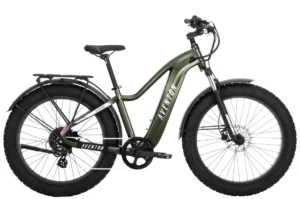
Brands like Aventon electric bike, for example, offer a range of e-bikes that blend road-friendly efficiency with trail-ready versatility, making them a solid option if you’re exploring electric assistance for the first time.
