
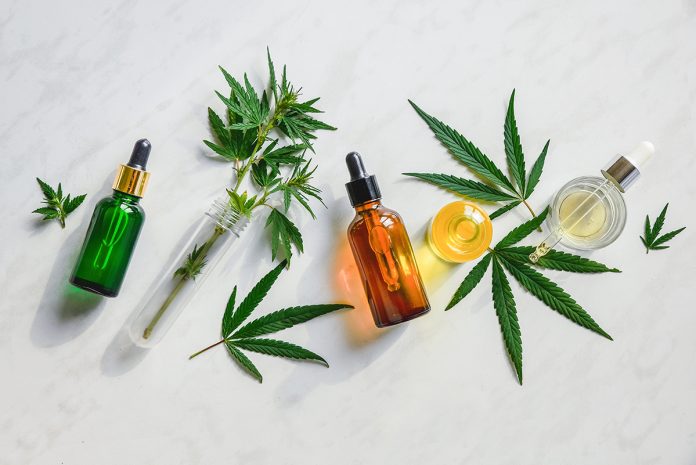
Have you ever wondered why so many people are talking about CBD for pain? Once a niche wellness product, cannabidiol (CBD) has become mainstream — particularly among those seeking alternatives to traditional painkillers. In fact, recent surveys suggest that over 40% of U.S. adults who use CBD say they do so for pain relief and inflammation support. Thus, making it one of the most common reasons people try it.
However, with so many products on the market — oils, creams, capsules, gummies, and more — first-time users can easily feel overwhelmed. Different strengths, extraction methods, and buzzwords like “full-spectrum” or “isolate” show up everywhere, and it’s hard to know what actually matters.
So, if you are considering trying CBD for pain, understanding how it works and what to realistically expect will make your experience smoother and more effective. Here’s what every first-time user should know before starting.
1. CBD Supports the Body — It Does Not “Override” Pain
The first thing beginners need to understand is that CBD works differently from traditional over-the-counter pain medications. It does not simply block pain signals. Instead, CBD interacts with the body’s endocannabinoid system — a regulatory system involved in balance, inflammation, sleep, mood, and discomfort perception.
This means CBD is more about supporting the body’s natural response rather than forcing an immediate numbing effect. Many first-time users report gradual improvements, such as:
- Reduced muscle tightness.
- Easier joint mobility.
- Less discomfort after physical activity.
- Improved relaxation that indirectly reduces tension-related pain.
It is important to approach CBD with the mindset that it may support relief over time, rather than acting as an instant fix.
2. Quality and Transparency Are Non-Negotiable
Because the CBD market has grown rapidly, not all products meet the same quality standards. First-time users should pay close attention to product transparency and third-party lab testing.
The good part? Reputable retailers like CannaBuddy provide access to lab results, ingredient breakdowns, and clear potency information. This level of transparency is essential when using CBD for pain relief because you need to know exactly what you’re putting into your body. When evaluating products, look for:
- Third-party lab reports (Certificates of Analysis).
- Clear labeling of CBD content per serving.
- THC levels within legal limits.
- Ingredient lists without unnecessary additives.
Ultimately, remember that high-quality CBD is an investment in both safety and effectiveness.
3. Dosing Is Personal — Start Low and Build Slowly
There is no universal “perfect dose” for CBD. Factors like body weight, metabolism, tolerance, and the severity of discomfort all play a role in how much you may need.
For beginners, starting with a low dose and gradually increasing it over several days is generally recommended. This approach allows you to observe how your body responds without overwhelming your system.
Instead of taking a large amount at once, consistency is more important. Many users find that:
- Daily use produces better results than occasional use.
- Small dose adjustments make noticeable differences.
- Tracking dosage helps identify what works best.
Taking time to find your optimal amount prevents frustration and supports a more predictable experience.
4. The Type of CBD Product You Choose Matters
One reason beginners feel overwhelmed is the variety of CBD product formats available. Each format works slightly differently in terms of absorption speed and targeted effects. For example,
- CBD oils taken under the tongue tend to absorb more quickly because they enter the bloodstream directly through tissues in the mouth.
- Capsules and gummies must pass through digestion, which means effects may take longer to appear but often last longer.
- Topical products like creams and balms are applied directly to specific areas and are commonly used for localized muscle or joint discomfort.
Your choice depends largely on your needs. If you are dealing with widespread discomfort, a tincture or capsule may be more appropriate. If you are targeting a specific joint or muscle group, a topical might make more sense.
Understanding this difference helps you set realistic expectations about how fast relief might occur.
To Sum It All Up!
Trying CBD for the first time does not have to feel overwhelming. The key is education, patience, and choosing quality products. By starting with a low dose, selecting the right product format, and understanding how CBD interacts with your body, you create a more predictable and positive experience.
Remember that CBD for pain relief is not about instant transformation. It is about gradual support that may help you manage discomfort more comfortably over time. When approached thoughtfully and responsibly, it can become a valuable addition to your overall wellness strategy.