
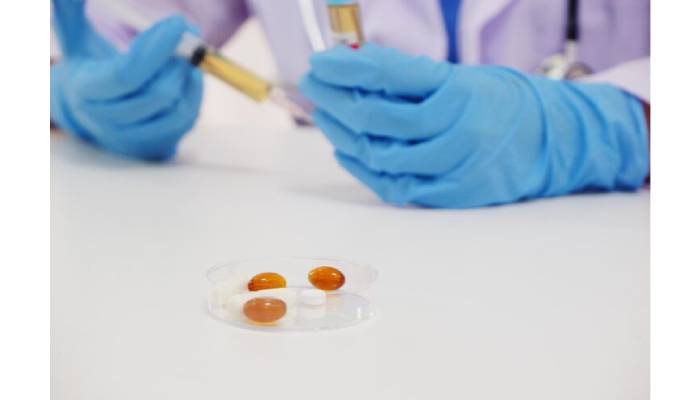
After picking a frozen donor egg bank, intended parents embark on an important journey that involves several steps. First, they choose their donor from a database, considering various factors like appearance and health history. This selection can be really beneficial since frozen eggs are ready for use and usually more affordable than fresh ones. Once selected, the eggs are thawed and assessed before being fertilized to create embryos. Following this, recipients prepare their bodies for embryo transfer through hormonal treatments. Finally, the embryos are transferred into the uterus during a straightforward procedure. Monitoring afterward helps assess pregnancy success while emotional support can ease concerns throughout this delicate process.
1. Selection of Donor Eggs
Intended parents start their journey by reviewing donor profiles from the frozen donor egg bank database. These profiles provide valuable information about the donor’s age, education, and personal interests, helping parents make informed decisions. A thorough evaluation of the medical history of potential donors is crucial, as it ensures the health of their future children. Many donor egg banks also offer genetic testing to screen for hereditary conditions, giving parents peace of mind about the genetic health of their child.
Cultural considerations also play a role in the selection process. Parents often look at the donor’s ethnicity and background to align with their own cultural values or family traditions. Engaging with fertility specialists can provide further insights, as these professionals can guide intended parents through the intricacies of donor selection.
Understanding success rates associated with different donors can also inform the decision-making process, as higher success rates may offer better chances of achieving pregnancy. It’s important to be aware of the legal aspects of using donor eggs, such as parental rights, to avoid any future complications. Joining support groups can be beneficial, allowing intended parents to connect with others who have similar experiences and share advice.
Evaluating personal values and beliefs is essential too, as it can impact future family dynamics. Lastly, setting a timeline for making a decision can help manage expectations and emotions, ensuring that parents feel prepared as they move forward in this significant journey.
 2. Processing the Donor Eggs
 2. Processing the Donor Eggs
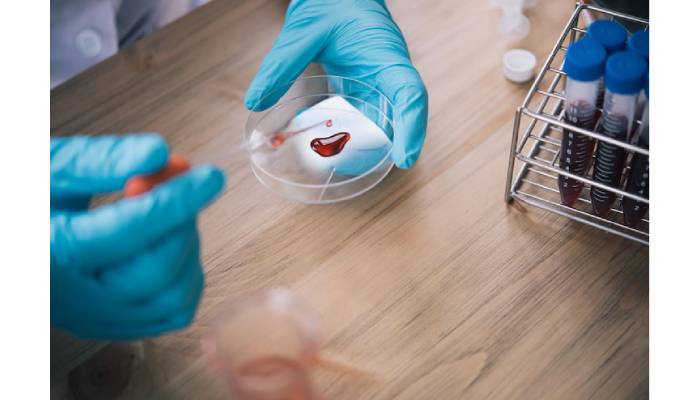
Upon arrival at the fertility clinic, the donor eggs undergo thawing and evaluation to ensure their quality. This step is crucial, as only mature eggs are selected for fertilization. The thawed eggs are then fertilized using sperm from the intended father or a sperm donor. The choice of fertilization method may vary; for instance, Intracytoplasmic Sperm Injection (ICSI) is often used when sperm quality is a concern. Once fertilized, the embryos are closely monitored for development, with each one graded based on appearance and progress. This grading helps in selecting the best candidates for transfer. Continuous updates are provided to the intended parents, keeping them informed about fertilization results and embryo development timelines. Any surplus embryos can be frozen for future use, offering additional options for the parents. Before proceeding, intended parents must also finalize legal agreements regarding the use of the donor eggs and embryos, along with signing informed consent forms to ensure they understand the entire process.
- Quality Control: Fertility clinics perform rigorous checks to ensure the quality of thawed eggs meets high standards.
- Fertilization Methods: Different fertilization techniques, such as ICSI (Intracytoplasmic Sperm Injection), may be used depending on specific circumstances.
- Embryo Grading: Embryos are graded based on their appearance and development progress, influencing the transfer process.
- Monitoring Development: Continuous monitoring of embryo development helps in selecting the best candidates for transfer.
- Freezing and Storage: Any surplus embryos can be frozen for future use, providing additional options for intended parents.
- Sperm Quality: The quality of the sperm used for fertilization is equally important and is assessed prior to the procedure.
- Test Results: Parents may receive updates on fertilization and embryo development timelines.
- Communication: Maintaining open communication between the clinic and intended parents is vital throughout this stage.
- Legal Agreements: Finalizing legal agreements regarding the use of donor eggs and embryos is necessary.
- Informed Consent: Parents will need to review and sign consent forms, ensuring they understand the process.
3. Preparing for Embryo Transfer
Preparing for embryo transfer involves several key steps to ensure the best chance of success. First, recipients undergo a thorough medical evaluation to confirm they are physically ready for the procedure. This evaluation often includes blood tests and a review of medical history. Following this, hormonal treatments, primarily estrogen and progesterone, are administered to thicken the uterine lining, creating an optimal environment for embryo implantation.
Monitoring is crucial during this phase. Regular blood tests and ultrasounds track the response of the uterus to the hormonal preparations, allowing the fertility team to adjust medications as needed. The timing of the embryo transfer is carefully planned, typically aligned with the recipient’s menstrual cycle and the developmental stage of the embryos.
In addition to medical preparations, lifestyle adjustments may be recommended. Recipients might be advised to adopt healthier habits, such as a balanced diet, regular exercise, and stress management techniques to enhance the likelihood of a successful transfer. Consulting with fertility experts is essential during this time, as frequent discussions help clarify the next steps and ensure all questions are answered.
Emotional readiness also plays a significant role. Addressing feelings about the transfer and setting realistic expectations can alleviate anxiety. Establishing a support system, whether through friends, family, or counseling, can provide comfort and encouragement throughout this process. Finally, as the transfer day approaches, the clinic will give detailed instructions on what to expect, ensuring that recipients feel prepared and informed.
4. The Embryo Transfer Procedure
The embryo transfer is a simple outpatient procedure that usually takes less than 30 minutes. During this process, developed embryos are placed into the recipient’s uterus using a thin catheter, guided by ultrasound to ensure accurate placement. This precision helps increase the chances of successful implantation. Before the transfer, parents will discuss how many embryos to transfer, considering both their personal situation and the clinic’s recommendations. Some clinics offer options for mild sedation or relaxation techniques to ease anxiety during the procedure, making the experience more comfortable.
After the transfer, recipients receive instructions on resting and post-transfer care. It’s typical to have a brief observation period before leaving the clinic. Follow-up appointments are crucial for monitoring health after the transfer, with blood tests scheduled about two weeks later to check for pregnancy. Understanding potential risks and complications can also help recipients feel prepared for any eventualities.
Emotionally, post-procedure reactions can vary widely, from hope and excitement to anxiety and uncertainty. Keeping communication open with the clinic can help address any concerns or questions that arise after the transfer, providing needed support during this pivotal time.
5. Post-Transfer Monitoring
After the embryo transfer, recipients enter a crucial phase of monitoring to assess the outcome. About two weeks later, a follow-up appointment is typically scheduled to check for pregnancy. This includes blood tests to measure hormone levels, which provide insights into whether implantation has occurred. Recipients should be attentive to any signs of pregnancy, such as cramping or spotting, as these could indicate a successful implantation.
The emotional weight of this waiting period can be significant, making it important for recipients to seek emotional support from friends, family, or professionals. Lifestyle recommendations may be offered to promote health during this time, such as maintaining a balanced diet and avoiding stress. Understanding the potential outcomes is also vital, as discussing next steps with a specialist helps manage expectations.
Knowing when to take a home pregnancy test can assist in navigating the excitement and anxiety of this period. Open communication with partners about feelings and concerns can strengthen emotional support, fostering a sense of togetherness during this journey. Depending on the outcome, planning future steps is essential, whether that means more testing or considering new cycles. Lastly, being vigilant for any unusual symptoms and reporting them to the clinic is important for preventing complications.
6. Support and Considerations
Navigating the journey of using frozen donor eggs can be emotionally challenging, and many clinics offer counseling services to help recipients work through their feelings. These sessions can provide a safe space for expressing concerns and aspirations. Connecting with support networks can also be beneficial; finding other intended parents can create a sense of community and understanding. Discussions about how to approach donor conception with future children are important, as parents may want to consider how to share this part of their family’s story.
Understanding the legal aspects surrounding donor eggs and embryos is crucial. Recipients should be aware of their rights regarding anonymity and any potential contact with the donor in the future. Coping mechanisms, such as mindfulness or stress-reduction techniques, can help manage the emotional ups and downs during this process.
Long-term planning for family building and parenting is another key consideration. Recipients should think about how they envision their family dynamics, including how they will address the topic of donor conception with their children. Maintaining a healthy lifestyle can support overall well-being, making it easier to cope with the challenges ahead. Open communication with partners and family members can foster a supportive environment, while engaging with the ethical considerations of donor egg use can help clarify personal values. Lastly, deciding whether to maintain contact with the donor or donor-conceived children is a significant decision that requires thoughtful consideration.
Frequently Asked Questions
What steps should I take after choosing an egg donor?
After selecting a donor, you will need to discuss the next steps with your fertility clinic. This usually involves scheduling medical tests for both you and the donor, and preparing for the egg retrieval process.
How do I communicate with my fertility clinic about my choice?
You can reach out to your fertility clinic by phone or email. It’s important to inform them of your donor choice so they can begin the necessary procedures and answer any questions you may have.
What are the medical assessments required for the donor?
The donor will undergo a series of medical tests, including blood tests and possibly an ultrasound. This helps ensure she is healthy and the eggs retrieved will have the best chances for successful fertilization.
Will I have any say in the egg retrieval process?
While the clinic handles most of the procedures, you will typically be informed about the timing and logistics of the egg retrieval. Depending on the clinic, you may also receive updates throughout the process.
How long does it take to receive the frozen donor eggs?
Once the eggs are retrieved and evaluated, the timeline can vary. However, the clinic usually works to provide you with the eggs within a few weeks, depending on their protocols and availability.
TL;DR After selecting a frozen donor egg bank, intended parents will experience several key steps. They will choose a donor based on factors like physical traits and health history, with the benefits of immediate availability and cost-effectiveness. The eggs are then thawed, evaluated, and fertilized to create embryos. The recipient’s uterus is prepared through hormonal treatments, leading to the embryo transfer using a thin catheter. Post-transfer, the recipient is monitored for pregnancy signs, with blood tests conducted two weeks later. Emotional support can be important, along with considerations regarding donor-conceived individuals in the future.