
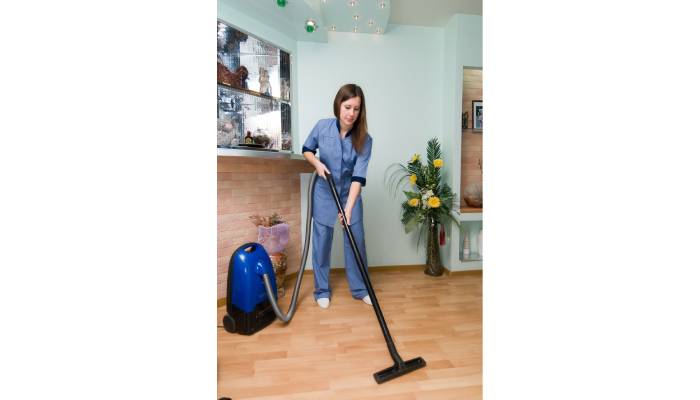
Deep cleaning is an essential and thorough process designed to remove dust, dirt, bacteria, and grime from every corner of your home. Unlike regular cleaning, this service tackles those hard-to-reach areas often overlooked, boosting both the appearance and hygiene of your space. It’s recommended to deep clean once or twice a year for homes that are regularly maintained; however, pets or children may necessitate more frequent sessions. During a full deep clean, living areas are dusted and vacuumed; kitchens get sanitized appliances; bathrooms are disinfected thoroughly; bedrooms receive fresh linens and organized spaces. This meticulous approach not only enhances aesthetics but also improves air quality and health within your home.
1. What is Deep Cleaning?
Full house deep cleaning is not just about tidying up; it’s an extensive process designed to tackle hidden dirt and bacteria lurking in your home. While regular cleaning keeps surfaces looking nice, deep cleaning dives deeper, focusing on those often-neglected spots like behind appliances or under furniture. This thorough approach uses specialized techniques tailored to different surfaces, ensuring every corner is sanitized effectively.
But deep cleaning goes beyond just removing grime; it also includes organizing and decluttering, providing a fresh start for your spaces. Whether you have pets shedding fur or stubborn stains that need attention, deep cleaning can be customized to meet your specific needs. Additionally, many choose eco-friendly products during this process, contributing to a healthier living environment.
The ultimate goal? To create a spotless and inviting atmosphere that feels revitalized and renewed. Depending on your home’s requirements, deep cleaning can range from a single room to an entire house, making it an adaptable solution for various cleaning challenges. Keep in mind, this process demands more time and effort than your standard cleaning routine, as it requires meticulous attention to detail. Plus, while you’re deep cleaning, you might uncover maintenance issues like mold growth or plumbing problems that need to be addressed swiftly, ensuring your home remains both beautiful and safe.
2. How Often Should You Deep Clean?
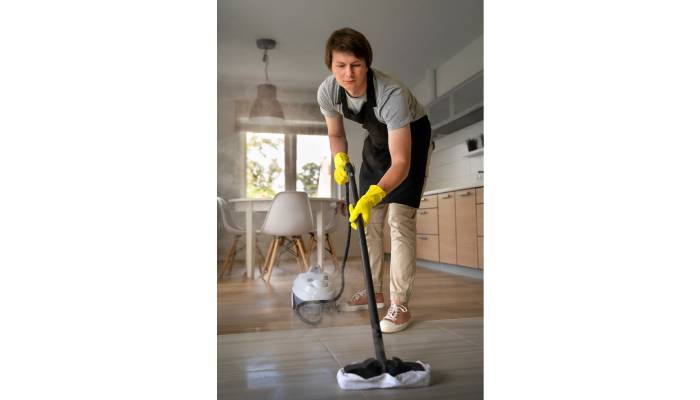
For most homes, a deep clean is best done once or twice a year to keep things fresh and tidy. However, if you have kids or pets, consider doing it every 2-3 months. These households tend to gather more dirt and allergens, making regular deep cleaning essential. High-traffic areas, like your kitchen and living room, might need extra attention, so plan to deep clean them more frequently.
Many people find that aligning deep cleaning with the seasons, like spring or fall, can be a great way to refresh your home. If you start noticing dust gathering or unpleasant odors, that’s a clear sign that it’s time for a deep clean, even if it’s not on your schedule. Additionally, if you have special events or gatherings coming up, it’s a good idea to squeeze in an extra deep clean to impress your guests.
Regular deep cleaning can actually save you time on daily cleaning tasks, as it prevents grime from building up. To keep your home in top shape, consider creating a deep cleaning calendar tailored to your lifestyle. This way, you can monitor the condition of your home and adjust the frequency as needed. Using a checklist can also help you stay organized and make sure no corner is neglected during your deep cleaning sessions.
3. Deep Cleaning Checklist for Every Room
When tackling a full house deep cleaning, having a checklist for each room makes the task much smoother and more efficient. In the living areas, start by dusting all surfaces, from shelves and baseboards to picture frames and electronics. Vacuum carpets and rugs thoroughly, and if you encounter deep stains, consider steam cleaning for an even more effective treatment. Don’t forget to mop hard floors with the right cleaners for your specific flooring type. Move furniture to clean underneath and behind it, as well as any decorative items that may have collected dust. Light fixtures and ceiling fans often harbor cobwebs and dust, so wipe those down too.
In addition to surfaces, wash and disinfect remote controls and other frequently touched surfaces to ensure a hygienic environment. Windows, window sills, and curtains or blinds also require attention; clean them to remove any buildup that could affect your view and air quality. Upholstery is another area to inspect; vacuum cushions and fabric-covered furniture to remove hidden dust and allergens. Finally, consider decluttering shelves and surfaces, which not only creates a more inviting space but also helps in organizing books, magazines, and other items to reduce visual clutter. This checklist will keep your deep cleaning focused and effective, making every room shine!
4. The Deep Cleaning Process Explained
To kick off a full house deep cleaning, gather all the necessary cleaning supplies. This includes tools like brooms, mops, vacuum cleaners, microfiber cloths, and cleaning products tailored for specific tasks, such as all-purpose cleaners and disinfectants. Next, create a plan to tackle one room at a time. This approach helps prevent feeling overwhelmed and keeps your focus sharp.
Start your cleaning journey by dusting high surfaces first, like ceiling fans and shelves, then work your way down to lower surfaces and floors. This method ensures that you don’t re-clean areas you’ve already done. Use the right techniques for different materials; for instance, vacuum carpets thoroughly, while a damp cloth works best for electronics.
Don’t forget to move furniture as needed. This allows you to reach hidden areas that often accumulate dust and grime. As you clean, take the opportunity to organize and declutter. Set aside items that you no longer need for donation or disposal, making your space even more inviting.
It’s important to ensure proper ventilation while cleaning. Open windows and use fans to improve air quality and keep the space fresh. For an extra touch, consider using essential oils or pleasant-smelling cleaners to create an inviting atmosphere during the process.
Remember, deep cleaning is not a race. Take your time and set aside enough hours to complete each room thoroughly. Once you finish, step back and enjoy the fresh, clean environment you have created. The satisfaction of a job well done is truly rewarding!
- Start by gathering all necessary cleaning supplies, including tools and products tailored for specific tasks.
- Create a plan to tackle one room at a time to prevent feeling overwhelmed and to maintain focus.
- Begin with dusting high surfaces first, then work your way down to lower surfaces and floors.
- Use the right cleaning techniques for various materials, such as using a vacuum for carpets and a damp cloth for electronics.
- Take time to move furniture as needed, ensuring that hidden areas are thoroughly cleaned.
- Organize and declutter as you clean, setting aside items for donation or disposal.
- Ensure proper ventilation by opening windows and using fans while cleaning to improve air quality.
- Consider using essential oils or pleasant-smelling cleaners for an inviting atmosphere during the process.
- Don’t rush; deep cleaning takes time, so set aside enough hours to complete each room.
- After finishing, step back and enjoy the fresh, clean environment you have created.
5. Additional Services for a Thorough Clean
To elevate your full house deep cleaning experience, consider adding specialized services that can tackle specific cleaning challenges. For instance, carpet cleaning can effectively remove deep-seated dirt and allergens from carpets and rugs, enhancing both the look and air quality of your home. Tile and grout cleaning can breathe new life into the tiled surfaces of your kitchen and bathroom, making them more hygienic and visually appealing.
Another great option is inside appliance cleaning, particularly for refrigerators and ovens, which can help maintain their efficiency and cleanliness. Don’t forget about window cleaning services; they provide streak-free, crystal-clear views from both inside and out, brightening up your spaces.
If you’ve recently undergone renovations, post-renovation cleaning services can clear away the dust and debris left behind, ensuring your home feels fresh and new. Professional upholstery cleaning is another service to consider, as it refreshes furniture and extends its lifespan, giving your living areas a polished look.
For outdoor areas, pressure washing can remove built-up grime from patios and driveways, significantly enhancing your home’s curb appeal. You can also opt for customized cleaning packages tailored to specific needs like allergy management or pet odor removal. Deep cleaning air ducts can drastically improve your indoor air quality by eliminating allergens trapped in your HVAC system. Lastly, seasonal deep cleaning services can be invaluable for preparing your home for holidays or special occasions, ensuring everything is in pristine condition.
6. Health Benefits of a Deep Clean
Deep cleaning your home offers amazing health benefits that can transform your living space into a sanctuary. One of the most significant advantages is the reduction of allergens. By eliminating dust mites, pet dander, and pollen, you can breathe easier, especially if you have allergies or asthma. A clean environment can lead to fewer respiratory issues, making it a healthier place for everyone in the household.
Moreover, deep cleaning effectively removes harmful bacteria and viruses, significantly decreasing the risk of illness spreading among family members. This is crucial during cold and flu season or in homes with children who tend to bring germs from school. Regular deep cleaning also helps eliminate mold and mildew, which can lead to serious health problems if left untreated.
The benefits extend beyond physical health. A fresh and organized home creates a soothing environment that can improve mental well-being. When your space is clean and clutter-free, it can enhance your productivity and reduce stress levels, allowing you to focus on what truly matters. Cleanliness translates to improved air quality, which can lead to better sleep quality and overall comfort.
Additionally, a clean home can bolster your immune system by minimizing potential pathogens lurking in your environment. Knowing that your living space is clean and safe offers peace of mind for both you and your guests. Adopting a habit of regular deep cleaning not only brings immediate health benefits but also contributes to a more enjoyable living experience in the long run.
7. Professional Cleaning vs. DIY Options
When it comes to deep cleaning your home, you face an important choice: hire professionals or go the DIY route. Hiring experts can save you valuable time and energy, allowing you to focus on other tasks or simply kick back and enjoy some leisure time. Professionals come equipped with specialized knowledge and access to industrial-grade cleaning products, ensuring a level of cleanliness that can be hard to achieve on your own. They handle challenging tasks, like cleaning high ceilings or moving heavy furniture, that could be difficult or unsafe for homeowners.
On the flip side, DIY cleaning can be budget-friendly and gives you the flexibility to clean on your own schedule. It can also be a fulfilling experience, allowing you to customize the cleaning process to fit your specific needs and preferences. However, you might find that the results don’t quite match those of a professional clean, especially in areas that require a deeper level of attention.
Consider a hybrid approach: tackle some tasks yourself while leaving the heavy lifting to the pros. This balanced solution can help you manage your time effectively while still achieving a thorough clean. Remember, understanding your time constraints and cleaning goals is key in deciding whether professional help or a DIY effort is the best choice for your home.