
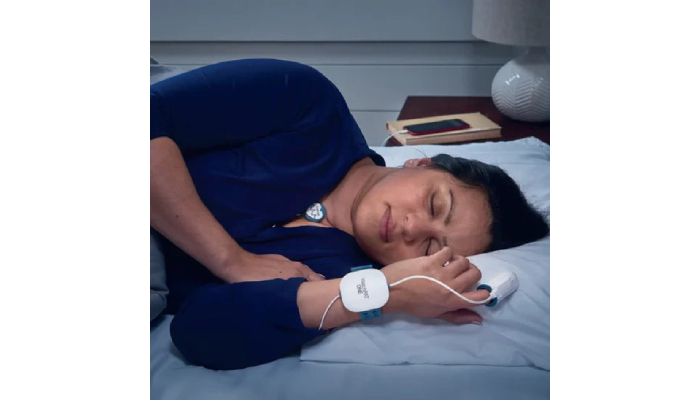
Home sleep apnea tests (HSAT) offer an exciting solution for diagnosing obstructive sleep apnea right from the comfort of your own bed. These portable devices are less intrusive than traditional in-lab studies and are prescribed by doctors based on the symptoms you present. HSATs monitor crucial data like breathing patterns, heart rate, and blood oxygen levels to identify disturbances during sleep. The process is simple: wear a nasal cannula or face mask, along with sensors to track your breathing effort overnight. While they’re convenient and cost-effective, it’s important to remember that HSATs might not be suitable for everyone, especially those with complex health issues. After analysis by a specialized technician, your doctor will discuss treatment options if needed.
1. Overview of Home Sleep Apnea Tests
Home sleep apnea test (HSATs) are a fantastic option for individuals suspecting they have obstructive sleep apnea (OSA). These tests let you monitor your sleep in the comfort of your own bed, which can help ease the anxiety often felt in clinical environments. Typically, a doctor prescribes HSATs after discussing symptoms such as loud snoring or excessive daytime fatigue. The beauty of HSATs lies in their ability to record vital signs and sleep patterns, providing crucial data necessary for an accurate diagnosis. Designed to be user-friendly, patients can set them up with little help, making them ideal for anyone without easy access to a sleep clinic or those who simply prefer the home setting. HSATs serve as a valuable first step in the diagnostic process, often streamlining the path to understanding sleep issues. Their simplicity encourages better compliance, as people are generally more likely to complete the tests at home. Additionally, many insurance plans cover these tests, making them an accessible choice for a broader audience. However, it’s important to note that HSATs should be conducted following a thorough evaluation by a healthcare provider.
2. Purpose and Benefits of HSATs
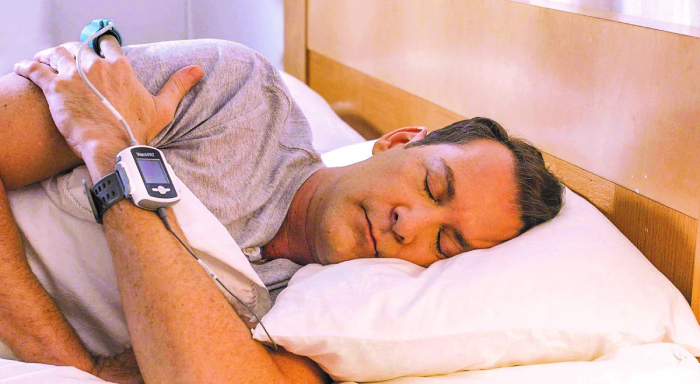
Home sleep apnea tests (HSATs) serve a vital role in identifying sleep apnea, offering a gateway to timely treatments. These tests are especially advantageous for individuals with mild to moderate sleep apnea, where the need for more invasive in-lab testing might not be necessary. One of the key benefits of HSATs is their ability to provide immediate insights into breathing disturbances during sleep, enabling quicker diagnoses and faster access to treatment options.
Moreover, HSATs are cost-effective, typically ranging from $150 to $500, making them a popular choice for both patients and healthcare providers. The convenience of conducting the test at home allows patients to stick to their normal sleep routines, which can lead to more reliable results. This comfort and privacy enhance overall satisfaction with the healthcare experience.
Additionally, HSATs help to reduce waiting times for diagnosis and can even be used to monitor the effectiveness of ongoing treatments. They also have the capability to detect other sleep-related issues, such as periodic limb movement disorder, through the data collected during the test. The ease of HSATs encourages more people to seek help for sleep apnea symptoms that they might otherwise ignore, paving the way for better health outcomes.
- The main goal of HSATs is to accurately identify sleep apnea, allowing for timely intervention.
- They are particularly beneficial for those with mild to moderate sleep apnea, where in-lab testing may not be necessary.
- HSATs provide immediate insight into breathing issues during sleep, aiding in quicker diagnosis.
- The cost-effectiveness of HSATs makes them a popular choice among patients and healthcare providers alike.
- By conducting the tests at home, patients can maintain their regular sleep routines, leading to more accurate results.
- HSATs help reduce waiting times for diagnosis, enabling quicker access to treatment options.
- These tests can also be used to monitor treatment effectiveness over time, ensuring ongoing care.
- Patients appreciate the comfort and privacy of home testing, enhancing overall satisfaction with their healthcare experience.
- HSATs can help identify other sleep-related issues, such as periodic limb movement disorder, through monitored data.
- The convenience of HSATs encourages more individuals to seek help for sleep apnea symptoms they might otherwise ignore.
3. How Home Sleep Apnea Tests Work?
During a home sleep apnea test, patients begin their journey by consulting with a healthcare provider to discuss symptoms. After this discussion, a prescription is provided, leading to the convenience of having the testing equipment shipped directly to their home. This setup allows patients to feel at ease in their own environment. Before the test, they receive detailed instructions on how to set up and operate the device, ensuring they know exactly what to do.
The equipment is designed with comfort in mind, enabling patients to sleep as naturally as possible while the device gathers critical data. This data includes vital metrics such as breathing patterns, oxygen saturation levels, and heart rate. To enhance the testing experience, patients are encouraged to wear comfortable clothing, which can help promote a restful night’s sleep.
As the night progresses, patients are advised to keep a sleep diary, noting any disturbances or unusual occurrences that might affect their sleep. This diary can provide valuable context to the data collected. After the test is completed, which typically lasts one night, the recorded information is securely sent to a sleep specialist for evaluation and interpretation. Once the analysis is complete, patients can return the equipment easily, often using a prepaid shipping label for added convenience.
4. Equipment Used in Home Sleep Apnea Tests
Home sleep apnea tests rely on a variety of devices to monitor your sleep patterns effectively. Common equipment includes a lightweight nasal cannula or face mask, which helps track airflow as you breathe during the night. A pulse oximeter, typically clipped to your fingertip, measures your blood oxygen levels, providing crucial data about your respiratory health. Additionally, sensors are placed around your chest or abdomen to monitor your breathing effort, giving insight into how well your body is managing the act of breathing while you sleep.
Some advanced models even feature a microphone, which captures snoring sounds. This extra data can be invaluable, as it helps sleep specialists assess the overall quality of your sleep. The equipment is designed to be portable and user-friendly, with simple instructions provided for proper sensor placement, ensuring a hassle-free setup.
Most home sleep apnea testing devices are battery-operated, meaning you won’t have to fuss with electrical outlets while setting up in your bedroom. Many come equipped with Bluetooth technology, allowing for seamless data transmission to your healthcare provider. With user-friendly interfaces, patients can easily operate these devices without needing technical assistance, making the process straightforward and accessible. However, it’s important to remember that some models may require regular maintenance and calibration to ensure their readings remain accurate.
5. What Home Sleep Apnea Tests Measure?
Home sleep apnea tests (HSATs) focus on measuring key metrics that reveal how well you breathe while you sleep. They primarily track your breathing patterns, identifying any pauses known as apneas, which can indicate obstructive sleep apnea (OSA). In addition to this, HSATs monitor blood oxygen levels, looking for drops that could signal respiratory problems. Another vital measurement is the respiratory effort, which assesses how hard your body is working to breathe during the night.
Data on sleep interruptions is collected, helping doctors understand the severity of your apnea episodes. While HSATs can detect hypopneas, partial blockages in the airway, they do have limitations. Unlike in-lab studies, HSATs do not provide information on your sleep stages, which can restrict some diagnostic capabilities. However, they do measure heart rate variability, offering insights into cardiovascular health while you slumber. HSATs may even record snoring frequency and intensity, which adds depth to the overall picture of your sleep quality.
Ultimately, the results are interpreted alongside your clinical history, allowing healthcare providers to create personalized treatment plans tailored to your specific needs.
6. Limitations of Home Sleep Apnea Tests
Home Sleep Apnea Tests (HSATs) come with important limitations that users should be aware of. First and foremost, HSATs are not suitable for individuals with complex sleep disorders, such as central sleep apnea or those who have multiple health conditions. They also do not provide a comprehensive picture of sleep architecture, which is crucial for accurate diagnosis. For mild cases of sleep apnea, there’s a particularly higher chance of false negatives, which can result in underdiagnosis and missed treatment opportunities.
The accuracy of the data collected can be compromised if sensors shift or are not placed correctly on the body. Additionally, patients with obesity or other medical issues may not receive an accurate assessment from these tests, as their unique conditions can affect the results. Furthermore, HSATs may overlook other sleep disorders that require different diagnostic methods, limiting the overall effectiveness of the test.
Another drawback is that HSATs typically do not measure limb movements or other non-respiratory sleep disturbances, which could be significant indicators of underlying issues. It’s also worth noting that the devices might require calibration or maintenance, which can be easily overlooked by patients in the comfort of their homes. Lastly, some individuals may find the equipment uncomfortable, impacting their ability to sleep well during the test. Overall, HSATs should be seen as a preliminary step; further testing may be necessary for a complete and accurate diagnosis.
7. Follow-up Process After HSAT
Once your home sleep apnea test (HSAT) is complete, the excitement of anticipation begins. You’ll return the device so that a trained sleep technologist can analyze the data. They will dive into your results, looking for patterns that point to sleep apnea or other related disorders. After this review, a sleep specialist will discuss the findings with your prescribing doctor to determine the best next steps.
If sleep apnea is confirmed, don’t worry! A treatment plan will be tailored to your needs, which may include lifestyle changes, CPAP therapy, or other interventions. You will receive clear explanations of your results, including how severe your condition may be. As part of your ongoing care, follow-up consultations might be scheduled to monitor your progress and adjust treatment as necessary, ensuring you stay on the right track.
In cases where results are inconclusive, further testing may be suggested, possibly leading to an in-lab sleep study for more detailed insights. You may also receive valuable advice on behavioral modifications, such as weight loss or adjustments to your sleeping position, to help ease your symptoms. Remember, open communication with your healthcare providers is key! They are there to provide ongoing support and ensure you receive the best care tailored just for you.
8. Insights on Home Sleep Apnea Testing
Home Sleep Apnea Tests (HSATs) are becoming a go-to option for many seeking answers about their sleep health. Their rapid acceptance stems largely from the convenience they offer, allowing patients to take the test in the comfort of their own homes. This ease of access plays a crucial role in encouraging more people to participate in sleep studies, making it a game-changer for those who might have hesitated due to logistical challenges.
With technology advancing, HSATs are becoming increasingly sophisticated and reliable. These tests can monitor vital signs like breathing patterns, heart rate, and oxygen levels, providing key insights into potential sleep apnea. Moreover, as awareness about sleep issues grows, more individuals are understanding the importance of addressing these concerns early on. This early intervention can significantly reduce health risks associated with untreated sleep apnea, such as cardiovascular problems and daytime fatigue.
Patient education is essential for maximizing the effectiveness of HSATs. By understanding how to use the equipment properly and keeping a sleep diary, individuals can enhance the quality of the data collected. Feedback from patients has shown high satisfaction rates with the at-home testing experience, which further validates the growing trend. As research continues to emerge, we may see even more evidence supporting the effectiveness of HSATs compared to traditional in-lab testing methods. Future developments might also expand the monitoring capabilities of these devices, leading to even better diagnostic accuracy.