
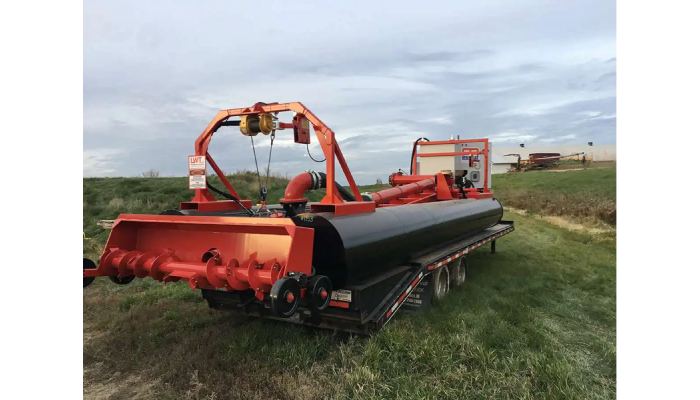
Remote-controlled dredges represent a groundbreaking innovation in sediment management. These high-tech systems are designed to remove sediment from water bodies without needing human operators on board, ensuring enhanced safety and efficiency. With smart sensors and GPS navigation, they can navigate tough environments while minimizing accidents, crucial for hazardous areas. Operators have precise control over the dredging process thanks to real-time monitoring and adjustments, leading to faster project completion. Additionally, their versatility makes them ideal for various applications like wastewater treatment and mining operations. As industries focus more on safety and environmental protection, remote-controlled dredges offer a forward-thinking solution that adapts seamlessly to diverse needs.
1. Definition of Remote Controlled Dredges
Remote controlled dredge are cutting-edge machines designed for sediment removal from water bodies, all without the need for human operators on board. These innovative systems utilize advanced technologies such as GPS navigation, smart sensors, and real-time monitoring to perform dredging tasks safely and efficiently from a distance. Unlike traditional dredgers, remote-controlled dredges excel in challenging environments, where operator safety is paramount. For example, in contaminated sites or areas with difficult access, these unmanned systems can operate effectively while minimizing risks. The precision offered by remote-controlled dredges allows for accurate sediment removal, which is crucial for maintaining healthy aquatic ecosystems and preventing over-sedimentation. As the technology behind these dredges continually evolves, we can expect even more efficient designs in the future, showcasing the shift towards automation in the dredging industry and promising enhanced productivity in sediment management.
2. Key Features That Set Them Apart
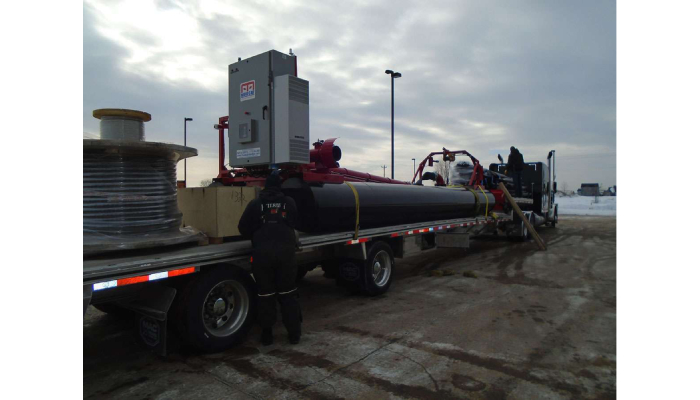
Remote-controlled dredges stand out for a multitude of reasons that enhance their functionality and effectiveness. Safety is paramount, as these advanced systems remove the necessity for operators to be physically present on-site, significantly reducing the risk of accidents, especially in hazardous environments. Precision control is another major benefit; operators can make real-time adjustments to dredging parameters, ensuring that every inch of sediment removal is executed with accuracy. This level of control is particularly vital in sensitive ecological areas where even slight miscalculations can have detrimental impacts.
The versatility of remote-controlled dredges allows them to operate effectively in diverse environments, ranging from municipal lagoons to industrial sites, making them adaptable to various project needs. Their operational efficiency is remarkable, as these dredges can work continuously without fatigue, dramatically cutting down project timelines.
Technological advancements are woven into their design, with features like telemetry and data logging that provide invaluable insights into performance. High-definition cameras are often included, allowing for visual monitoring of dredging activities, ensuring that everything runs smoothly and as planned. Moreover, these dredges can be operated wirelessly, giving operators the flexibility to control them from a safe distance.
Not only do they prioritize safety and efficiency, but their design also focuses on minimizing environmental impact, ensuring compliance with regulations. They can adapt to various sediment types, whether dealing with fine silt or dense sludge, adding to their effectiveness. User-friendly interfaces make these dredges accessible even for less experienced operators, encouraging more widespread use in the industry.
- Safety is a top priority, as these dredges eliminate the need for operators to be on-site during operations.
- Precision control enables operators to adjust dredging parameters in real-time, ensuring optimal results.
- Versatility allows these dredges to function in diverse environments, from municipal lagoons to industrial sites.
- Operational efficiency is enhanced as they can work continuously, reducing the time taken for projects.
- Technological advancements include features such as telemetry and data logging for improved performance monitoring.
- They often come equipped with high-definition cameras for visual monitoring of dredging activities.
- Remote-controlled dredges can be operated wirelessly, offering flexibility in control options.
- Their design focuses on minimizing environmental impact, ensuring compliance with regulations.
- These dredges can adapt to various sediment types, whether fine silt or dense sludge, making them highly functional.
- User-friendly interfaces simplify the operational process, making it accessible even for less experienced operators.
3. Unique Advantages of Using Remote Controlled Dredges
Remote controlled dredges offer several unique advantages that set them apart from traditional dredging methods. First, they significantly reduce labor needs, leading to long-term cost savings. Without the necessity for personnel on-site, companies face fewer accidents, which also lowers insurance costs and liability risks. This operational efficiency allows for precise control over sediment extraction, which is crucial for protecting aquatic ecosystems and adhering to environmental regulations.
Moreover, these dredges are incredibly adaptable, capable of handling various projects without needing multiple machines. This versatility not only saves companies money but also conserves space. As technology advances, the integration of artificial intelligence for autonomous operations is on the rise, resulting in smarter and more efficient dredging solutions.
Another standout feature is the cloud-based data management that enables easy access to operational data from anywhere, empowering better decision-making on the fly. These dredges can also be powered by sustainable energy sources, aligning with modern environmental goals. In emergency situations, like flood control, remote dredges allow for quicker response times, enhancing public safety. Their operational flexibility even lets them work in challenging locations, ensuring safety for operators while effectively addressing sediment management needs. Overall, the use of remote controlled dredges positions companies as leaders in innovative dredging technology.
4. Diverse Applications in Various Industries
Remote-controlled dredges are making waves across multiple industries, showcasing their versatility and effectiveness. In wastewater treatment, these innovative machines help maintain optimal sediment levels, enhancing water quality while keeping workers safe from hazardous environments. Mining operations benefit significantly as well, with these dredges efficiently managing tailings, reducing environmental impact, and improving site safety for everyone involved.
Flood control becomes much more manageable with remote dredges, which clear sediments from retention ponds, preventing overflow during heavy rains and safeguarding communities from potential disasters. In the aquaculture sector, they play a crucial role in maintaining clean water, ensuring fish health and productivity by managing sediment build-up.
These dredges shine in hazardous locations too, such as nuclear facility retention ponds, where traditional dredging poses significant risks to human operators. They also contribute to beach nourishment projects, helping maintain coastal areas that are vital for both ecology and tourism. The maintenance of canals and waterways is made easier as well, ensuring proper navigation and water flow for boats and wildlife alike.
Environmental restoration projects utilize remote-controlled dredges to safely remove contaminants from affected water bodies, playing a key role in ecological recovery. Infrastructure projects often require sediment removal, and with minimal disruption to surroundings, these dredges get the job done efficiently. Finally, research initiatives leverage this technology to gather sediment samples from sensitive areas, enabling scientists to study and understand aquatic ecosystems better.
5. Future Innovations in Remote Dredging Technology
The future of remote-controlled dredging technology is poised for exciting advancements that promise to reshape the industry. One of the most significant innovations will be the deeper integration of artificial intelligence, which could lead to more autonomous dredging operations. Imagine dredges that can assess their surroundings and make real-time adjustments to improve efficiency and safety, all without human intervention.
Battery technology is also on the brink of transformation, potentially allowing dredges to operate for extended periods without frequent recharging. This will not only enhance productivity but also reduce operational interruptions, making projects more streamlined.
As data analytics becomes more sophisticated, dredging operations can leverage historical data to plan and execute tasks more effectively. This means less guesswork and more precision in sediment management, making the entire process smoother and more efficient.
In terms of construction, advancements in materials and methods will lead to dredges that are not only more durable but also more reliable in challenging environments. Additionally, enhanced communication systems could enable better real-time coordination between multiple dredges working on the same project, maximizing their collective efficiency.
Sustainability is another critical focus, with innovations aimed at creating eco-friendly dredging solutions. Energy-efficient models that consume less fuel will be crucial in reducing the environmental footprint of dredging operations. Furthermore, incorporating virtual reality into training systems can provide operators with immersive experiences, preparing them for actual dredging tasks.
As urban areas evolve into smart cities, the demand for automated dredging solutions to maintain waterways will likely surge. Collaborating with environmental scientists will also enhance dredges’ effectiveness in preserving ecosystems during sediment removal projects. In the end, remote-controlled dredges are set to become standard equipment across various industries, reflecting a broader shift toward automation and technological reliance.