
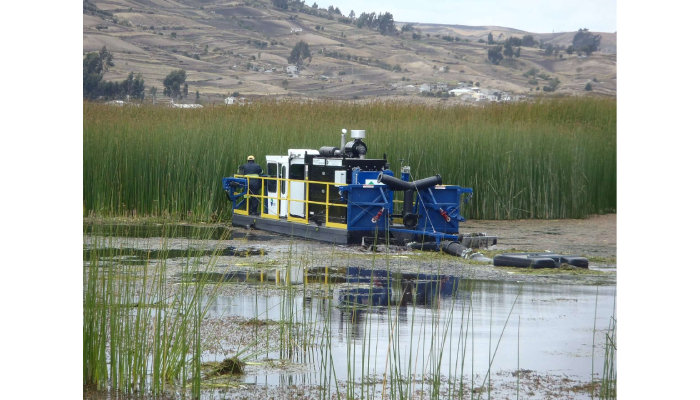
Canal dredging plays a crucial role in maintaining the health and navigability of waterways, making effective dredging equipment essential. The variety of machines available, from cutter suction dredgers to mechanical and hydraulic options, ensures versatility to tackle various sediment types and depths. Compact designs like the Dino6 enable operation in tight spaces while minimizing environmental disruption. Advanced features enhance power and efficiency, allowing for quick sailing through tough conditions with fewer crew members involved, thus cutting costs. By adhering to best practices for environmental protection, modern dredging machinery ensures responsible operations that support ecosystems while keeping canals clear and functional.
1. Purpose and Necessity of Canal Dredging
Canal dredging equipment is crucial for keeping waterways navigable and safe for vessels. By removing sediment and debris, it ensures boats and ships can pass without obstruction, which is vital for trade and transport. Furthermore, dredging plays a significant role in flood control; by maintaining a clear flow of water, it reduces the risk of flooding in surrounding areas during heavy rains. This proactive approach not only protects properties but also safeguards local communities from potential disasters.
Additionally, dredging enhances water quality by eliminating pollutants and organic materials that can harm aquatic life. Healthier ecosystems emerge as a result, supporting a diverse range of fish and plant species. For example, regular dredging can create ideal habitats for various aquatic organisms, fostering biodiversity and promoting a balanced environment.
Moreover, well-maintained canals can boost local economies by facilitating recreational activities like fishing and boating. This not only provides enjoyment for residents but also attracts tourists, contributing to community growth. Dredging also prepares waterways for new construction projects, ensuring that infrastructure developments can proceed smoothly.
In combating invasive species, dredging helps by removing their habitats, which is essential for protecting native ecosystems. Lastly, maintaining the aesthetic appeal of waterways through dredging contributes to community pride and encourages tourism, making it clear that canal dredging is not just a technical necessity but also a vital aspect of community well-being.
2. Types of Dredging Equipment
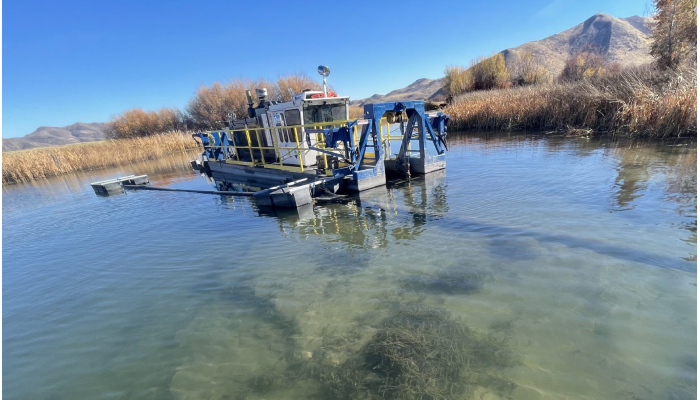
Canal dredging relies on a variety of specialized equipment, each designed to tackle different challenges. Cutter suction dredgers are among the most versatile, using a rotating cutter head to break up various sediment types, making them perfect for shallow waters. For tougher jobs, mechanical dredgers like backhoes and bucket dredgers excel at lifting heavy debris, especially in rocky areas. On the other hand, hydraulic dredgers shine in soft sediment conditions, employing high-pressure water jets to easily lift and transport materials. If precision is key, grab dredgers equipped with clamshell buckets are ideal for carefully scooping up sediment without causing extra disturbance to surrounding areas. For larger projects, trailing suction hopper dredgers can efficiently transport significant volumes of dredged material, making them a workhorse for extensive operations. Meanwhile, environmental dredgers focus on minimizing ecological impact while removing contaminants from the waterbed, ensuring a healthier aquatic environment. For unique challenges, amphibious dredgers can operate on both land and water, offering flexibility in varied conditions. When safety is crucial, remote-operated dredgers allow operation in hazardous environments, keeping operators safe. Lastly, dredging pontoons enhance stability and adapt to changing water levels, which is vital for shallow canals. Compact and lightweight, innovative mini-dredgers are perfect for smaller projects or urban areas, making them a valuable addition to the dredging toolkit.
3. Key Features of Effective Dredging Machines
Effective dredging machines are equipped with advanced features that significantly enhance their performance. One of the standout elements is the advanced hydraulic systems, which provide powerful suction and precise control. This level of control means operators can efficiently manage sediment removal, ensuring that every operation is optimized for speed and effectiveness. Additionally, high-capacity pumps are essential; they facilitate quick sediment removal, which is crucial for meeting project deadlines and minimizing disruption to waterway activities.
The durability of dredging machines is another vital aspect. Constructed from robust materials, these machines can withstand harsh environments, leading to a longer lifespan and reduced maintenance needs. This is especially important in challenging conditions where equipment is often subjected to wear and tear. The adjustable cutter heads found in many dredgers allow operators to customize their approach based on sediment type and depth, further improving effectiveness and adaptability in various situations.
Automated systems enhance operational efficiency by minimizing human error and increasing safety during dredging operations. With integrated GPS and sonar systems, operators can navigate and monitor their progress with remarkable accuracy, ensuring that dredging is conducted precisely where it’s needed. Ergonomic designs also play a critical role; by improving operator comfort, these machines enable better performance during long hours of operation.
Noise reduction technologies are another exciting feature, significantly reducing environmental disturbances. This makes dredging operations more eco-friendly, aligning with modern sustainability goals. Furthermore, modular designs allow for easy upgrades and repairs, ensuring that equipment remains cutting-edge and efficient over time. Finally, environmentally friendly features like sediment containment systems protect local ecosystems, making dredging not just effective, but responsible as well.
- Advanced hydraulic systems ensure powerful suction and precise control, enhancing operational efficiency.
- High-capacity pumps are crucial for quick sediment removal, reducing the time needed for dredging projects.
- Robust materials in construction help withstand harsh environments and extend equipment lifespan, minimizing maintenance needs.
- Adjustable cutter heads on dredgers allow for customization based on sediment type and depth, improving effectiveness.
- Automated systems can optimize dredging operations, reducing human error and increasing safety.
- Ergonomic designs improve operator comfort, leading to better performance during long hours of operation.
- Integrated GPS and sonar systems assist in accurate navigation and monitoring of dredging progress.
- Noise reduction technologies minimize environmental disturbances, making dredging operations more eco-friendly.
- Modular designs allow for easy upgrades and repairs, ensuring that machines remain cutting-edge and efficient.
- Environmentally friendly features, like sediment containment systems, help protect local ecosystems during dredging processes.
4. Environmental Considerations in Dredging
Environmental considerations are crucial in dredging operations, as they ensure the preservation of aquatic habitats and the protection of local wildlife. Eco-friendly dredging practices focus on minimizing disturbances to ecosystems, which is essential for maintaining ecological balance. Monitoring water quality during dredging is vital, as it helps prevent the release of toxic substances into the environment. Most dredging permits require thorough environmental assessments to evaluate potential impacts on the surrounding ecosystems, ensuring that operations are conducted responsibly.
Using biodegradable lubricants in machinery significantly reduces the risk of oil spills and contamination, promoting safer dredging practices. Implementing sediment control measures is another important step, as it prevents the resuspension of harmful materials back into the water column, protecting aquatic life. Education plays a key role, as operators who are knowledgeable about local wildlife and habitats are more likely to engage in responsible dredging practices.
Timing dredging operations to avoid sensitive breeding seasons for fish and wildlife is crucial for minimizing ecological disruption. Additionally, creating buffer zones around sensitive areas offers protection for vital habitats, further reducing the impacts of dredging. Sediment recycling techniques can also be beneficial, as they help repurpose dredged materials for construction or landscaping, thereby reducing waste.
Finally, restoration efforts following dredging operations can aid in rehabilitating affected areas, supporting the recovery of local ecosystems and ensuring a healthier environment for future generations.
5. Enhancing Operational Efficiency in Dredging
Enhancing operational efficiency in canal dredging is crucial for successful projects. By utilizing GPS technology, teams can ensure accurate positioning, which significantly improves dredging precision and reduces overlap. This means less wasted time and resources, leading to faster project completion. Moreover, establishing routine maintenance schedules keeps equipment in top shape, preventing unexpected downtime that can derail progress. Training operators on best practices and advanced technologies not only boosts productivity but also enhances safety on-site.
Implementing project management software aids in planning and monitoring progress, ensuring timelines are met without a hitch. Real-time data analytics allows teams to make informed decisions quickly, enabling them to respond effectively to challenges that arise during operations. Collaboration among team members fosters communication, ensuring everyone is aligned on project goals and tasks, which is vital for overall efficiency.
Investing in high-quality dredging equipment can lead to long-term savings through greater efficiency and fewer repairs. Strategic scheduling of dredging operations optimizes workflows, which can significantly reduce fuel consumption and operational costs. Additionally, incorporating feedback loops from completed projects helps teams continually improve procedures and techniques, making future dredging efforts even more effective.
Lastly, leveraging partnerships with environmental agencies not only ensures compliance with regulations but also enhances operational credibility, further solidifying a team’s reputation in the field.