
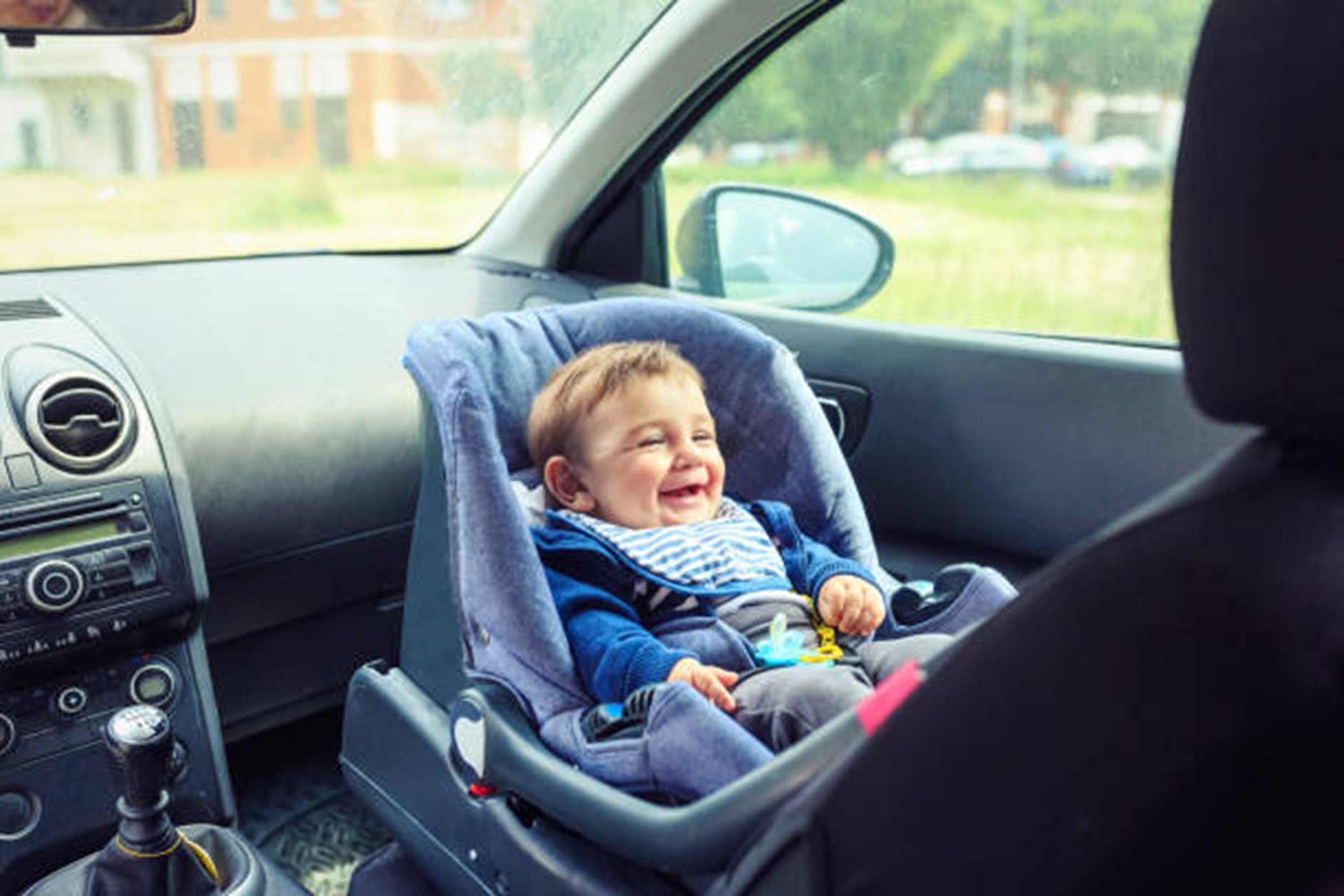
Front seat guidelines across the United States are not exactly the same everywhere in the country, but they all kind of point to the same idea. The back seat is safer for kids. Especially kids who are still growing and not that big yet.
Sitting in the front seat is not really about what feels fair or what a kid really wants. It is about how cars are built and how bodies work when something goes wrong really fast.
That is why parents have to slow down and fully go through the factors to consider when moving a child to the front seat, even when a kid is upset about it.
Front Seat Guidelines Across the Country
There is no one rule that says the same thing in every state, and that is what makes this a little complicated. But most safety people agree on one thing. Kids under thirteen should usually ride in the back seat if there is one.
Age is used a lot because it is easy to remember, but age is not everything. Some kids are taller. Some kids are shorter. Some kids still do not fit in the seat belt correctly, even if they look big. If the belt hits the neck or the stomach, that is not safe, even if the kid says it feels fine.
Some states care more about height. Some care more about what kind of seat you are using. Some say it is allowed earlier, but allowed does not always mean best. Laws are like the bare minimum. Safety rules try to go further than that.
Another thing parents do not always know is that front seat rules can change depending on the car. If there is a back seat that works, many states do not want kids in the front at all. So the rule is not just about the child. It is also about the car itself.
And even the rules themselves change over time. Cars change. Airbags change. What people thought was okay years ago might not be okay now, even if nobody told you yet.
Why the Back Seat Is Still the Best Spot for Kids

istock

The back seat keeps kids farther away from danger. That sounds simple, but it matters a lot. It puts space between a kid and the dashboard, the windshield, and the airbags.
Airbags are strong. But they are made for adults. When they go off, they do not ask how old you are first. They just explode out fast. That can hurt kids who are too small or sitting too close.
Even kids who seem big are still safer in the back. The risk does not disappear just because someone grew a few inches. It just gets smaller, and a smaller risk is still a risk.
Parents sometimes worry that kids will feel bad or feel treated unfairly. But safety choices are not about feelings. They are about protecting someone during the exact moment nobody expects.
Common Mistakes Parents Make with Front Seat Decisions
One big mistake is trusting the law alone. Just because something is legal does not mean it is the safest choice. Laws are slow. Accidents are fast.
Another mistake is thinking that sitting still means being ready. Sitting still is good, but it does not fix a seat belt that does not fit or an airbag that hits too hard.
Some parents stop using boosters too early because they think boosters are only for little kids. But boosters help seat belts work the right way. Taking them away too soon makes injuries more likely, not less.
Another thing people forget is that cars are not all the same. Some have different airbag settings. Some have different seat shapes. That is why every parent needs to check the car manual.
Key Takeaways
- The back seat is safer for kids, even when kids really want the front seat.
- Front seat rules are different in each state, but they mostly agree on the same idea.
- Being allowed to sit in front does not always mean it is a good idea.
- If a seat belt hits the child’s neck or stomach, that is not safe yet.