
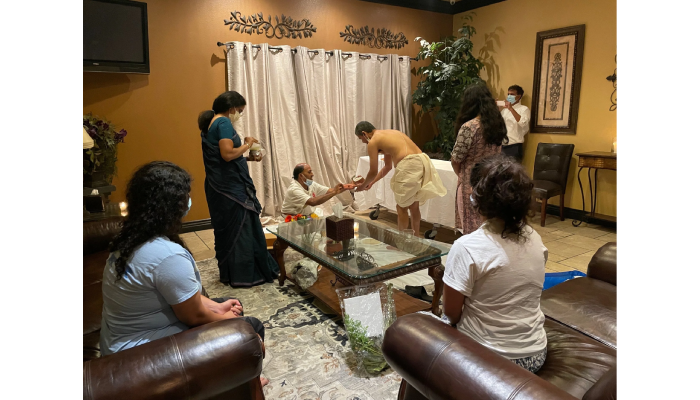
When attending a Hindu cremation in Southern California, you can expect to engage with rich cultural beliefs and heartfelt rituals. Hindus view death as a gateway to rebirth, marking an important transition for the soul. Before the ceremony, the family prepares for death at home, often calling a priest for blessings. The immediate post-death practices are deeply respectful, involving sacred rituals like placing water from the Ganges in the deceased’s mouth. During cremation, a process typically held within 24 hours, family members gather to perform traditional rites while dressed in white clothing to honor their loved one. Afterward, ashes may be scattered in holy water, concluding a profound mourning period lasting up to 13 days filled with prayers and memorials.
1. Understanding Hindu Cultural Beliefs
Hinduism is rich in beliefs that shape how life and death are viewed. Central to this is the concept of karma, which suggests that our actions in this life will influence our future lives as we navigate through samsara, the cycle of birth, death, and rebirth. This belief fosters a sense of responsibility in individuals, encouraging them to uphold their dharma, or duty, according to their roles in society and life stages. Family plays a pivotal role in these beliefs, particularly during significant life events like death. In Hindu cremation Southern California, the family gathers to support one another, reflecting an understanding that social bonds are vital in times of grief. Rituals serve as a bridge, honoring the deceased while guiding their soul toward the next life. Spiritual leaders, such as priests and elders, are often called upon to lead these rituals, ensuring that traditions are upheld. Sacred texts like the Bhagavad Gita and Vedas provide guidance on life, death, and the afterlife, reinforcing the importance of these rituals. Funerals are not just a time for mourning; they celebrate the life that was lived and the journey that lies ahead. Many believe that the deceased’s spirit remains connected to their loved ones, able to hear the prayers and feel the love shared during these moments. It’s important to note that Hindu practices can vary widely, influenced by region, community, and family traditions, adding layers of richness to the ceremonies. Ultimately, the community comes together, embodying the importance of support and connection in honoring the journey of the departed.
2. Key Rituals Before Cremation
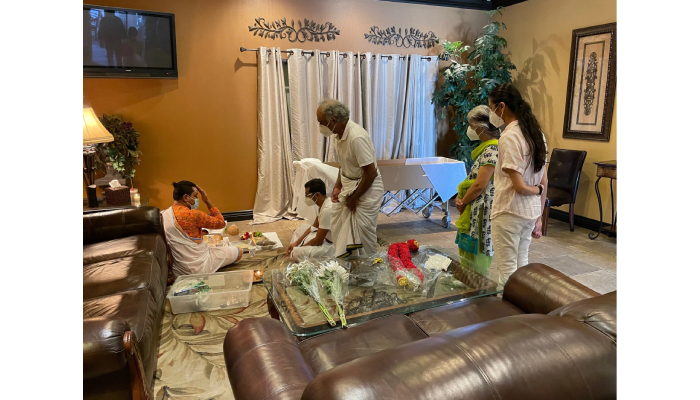
After a death, several significant rituals occur to honor the departed and prepare for their journey. The body is first ritually purified, often with water from the sacred Ganges River, as this water is believed to cleanse and bless the deceased. Following purification, the body is wrapped in simple white cloth, symbolizing humility and respect. Family members then place fragrant flowers on the body, representing the beauty of life and its fleeting nature.
A lamp is lit nearby, symbolizing the presence of the divine and guiding the soul on its journey. Small offerings of food may also be made, reflecting the belief that the departed still have needs even after death. During this time, family members recite sacred mantras to invoke blessings for the soul, creating a sacred atmosphere filled with love and remembrance. Personal items or mementos might be included with the body, signifying the deep bonds of love shared with the deceased.
Close family members gather to pay their respects, providing emotional support to one another as they navigate their grief. The chief mourner, often the eldest son, plays a key role in these rituals, taking on special responsibilities to ensure that everything is done with care and respect. This gathering is a poignant moment, filled with shared memories and expressions of love, as family and friends come together to honor a life lived.
- Purification: The body is ritually purified, often with water from the Ganges or other sacred substances.
- Covering the Body: The body is wrapped in simple cloth, symbolizing humility and respect for the deceased.
- Placement of Flowers: Flowers are placed on the body, representing beauty and the transient nature of life.
- Lighting the Lamp: A lamp is lit near the body, symbolizing the presence of the divine and guiding the soul.
- Offering Food: Small offerings of food may be made, reflecting the belief that the departed still have needs.
- Recitation of Mantras: Family members chant sacred mantras to invoke blessings for the soul’s journey.
- Personal Items: Some families include personal items or mementos with the body, signifying love and remembrance.
- Gathering of Family: Close family members gather to pay their respects and support each other in grief.
- Role of the Chief Mourner: The chief mourner, often the eldest son, has special responsibilities in the rituals.
- Emotional Support: Family and friends provide emotional support, sharing memories and comforting each other.
3. The Cremation Ceremony Explained
Cremation ceremonies in Southern California follow deeply rooted Hindu traditions, creating a space that is both solemn and sacred. Typically held at a crematorium or designated area, the environment is designed to honor the deceased with respect and dignity. At the heart of the ceremony is the ceremonial fire, viewed as a purifying force that symbolizes the soul’s journey to the heavens. The chief mourner, often the eldest son, plays a pivotal role by lighting the pyre, marking the significant transition of the deceased to the next realm.
Family members actively participate in the ceremony, often walking around the pyre three times, which represents the cycle of life and the connection to their loved one. Prayers are invoked to deities, seeking guidance and protection for the departed soul during this crucial passage. Timing is also essential; cremations are often scheduled to align with auspicious times based on Hindu astrology, further enriching the spiritual significance of the event.
The pyre itself is constructed from specific natural materials, often sourced from sacred trees, reflecting a belief in the sanctity of nature. As family and community members gather, they provide support and share in the grieving process, emphasizing the communal aspect of Hindu culture. Final offerings, such as flowers and fruits, may be placed into the fire, symbolizing love and farewell. This heartfelt ceremony not only allows for emotional closure but also creates an environment where family and friends can express their grief and say goodbye to their loved one.
4. What Happens After Cremation?
After the cremation, family members typically gather the ashes, which are often placed in a ceremonial urn. This act holds great significance as the family prepares for the next steps, which often include scattering the ashes. Traditionally, this scattering occurs within a specific time frame, often chosen based on auspicious timing, as it is believed to aid the soul in its journey. Many families opt for sacred locations, such as a revered river or the ocean, believing that these places hold spiritual benefits.
Rituals like the ‘Asthi Visarjan’ are performed to honor the deceased and guide the soul. This is a deeply spiritual practice that reinforces the connection between the living and the departed. Following the cremation, the family usually enters a mourning period, lasting up to 13 days. During this time, they observe specific rituals each day, which help them cope with their loss and assist the soul’s transition.
As the mourning period concludes, families may hold memorial services on significant anniversaries, like the first death anniversary, to pay tribute to their loved one. Ongoing remembrance is also important, and families often keep the memory alive through personal rituals or celebrations of life. These gatherings not only honor the deceased but also strengthen family bonds, providing a space for reflection and celebration of the lessons shared with the departed.
5. Proper Etiquette for Attendees
To honor the sacredness of a Hindu cremation, attendees should adhere to specific etiquette. Dressing appropriately is crucial; simple white clothing is preferred, while bright or dark colors, especially black, should be avoided. Punctuality is essential, as arriving on time demonstrates respect for the family and the traditions being observed. When greeting the grieving family, offering condolences is a customary gesture, this can be done with a gentle bow or simple words of sympathy.
During the ceremony, maintaining silence during key moments is vital, allowing for reflection and reverence. If invited, attendees may participate in prayers or offerings, but it is important to follow the lead of family members. Additionally, distractions should be minimized; mobile phones and electronic devices should be silenced or turned off to maintain the solemn atmosphere.
Each family may have unique customs, so being attentive to their wishes is important. Understanding that Hindu practices may differ from other cultural rituals enhances respect for their traditions. Supporting the family during this difficult time, whether through listening or simply being present, can provide comfort. Finally, expressing gratitude for being invited to share in their loss is a meaningful way to show respect and solidarity.
6. Costs and Services for Cremation
Planning a Hindu cremation in Southern California involves several costs that families should understand. Basic service fees can vary widely from one provider to another, so it is essential for families to inquire about what each package includes. Typically, transportation costs for moving the body to the crematorium are included in these service packages, which helps ease the logistical burden during a difficult time. Additionally, preparation of the body is a crucial aspect, and most packages include professional services for washing and dressing the deceased, ensuring respect and adherence to cultural practices.
Cremation fees also play a significant role in the overall cost, with charges differing based on the facility and any specific requirements families may have. Beyond the core services, families might wish to consider additional services such as memorial services or specific post-cremation rituals, which can add to the total expense. When it comes to cremation urns, options abound, from biodegradable urns to more traditional choices, allowing families to select one that reflects their loved one’s essence, while also impacting the final cost.
It’s also important to be aware of documentation fees, which may apply for obtaining necessary permits and death certificates. Some crematoriums offer personalized services that allow families to incorporate meaningful elements like music or specific rituals, and these can influence pricing as well. To ease the financial burden, many families explore pre-planning options or utilize insurance to cover cremation costs. Lastly, community resources are available, with some organizations providing financial assistance or resources for families in need, ensuring that everyone can access dignified services.
Frequently Asked Questions
What is the general process of a Hindu cremation ceremony?
A Hindu cremation ceremony typically involves gathering family and friends, performing rituals, and then placing the body on a pyre for cremation. This process honors the deceased and helps guide their soul on its journey.
What rituals are performed during a Hindu cremation in Southern California?
During a Hindu cremation, several rituals are performed, including washing the body, dressing it in special clothing, and conducting prayers. Family members may offer flowers or light the pyre as a final farewell.
Can non-Hindus attend a Hindu cremation ceremony?
Yes, non-Hindus are often welcome to attend a Hindu cremation. It can be a respectful way to honor a loved one and learn about different cultural practices.
What should I wear to a Hindu cremation ceremony?
It is respectful to wear modest and somber clothing to a Hindu cremation ceremony. Dark colors are typically preferred, along with avoiding overly flashy or casual attire.
Are there any specific customs to be aware of during the cremation?
Yes, some customs during a Hindu cremation include maintaining silence during certain prayers, respecting family rituals, and offering condolences. It’s important to show sensitivity and support to grieving family members.