
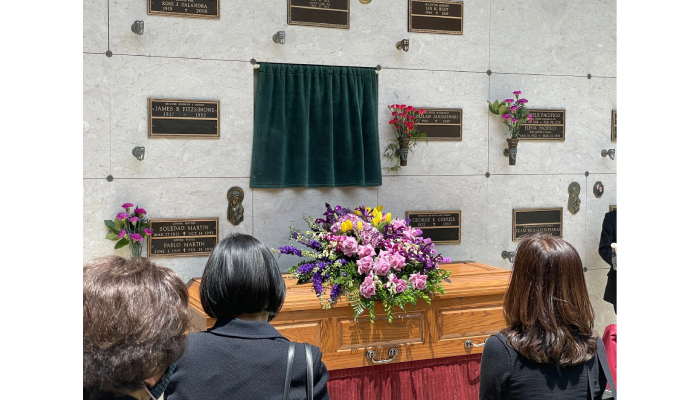
When attending an Iranian burial in Southern California, you can expect a blend of heartfelt traditions and community support. The body is prepared with great respect, washed and wrapped in a simple white shroud known as kafan. Religious prayers, including the Salat al-Janazah, fill the air as family and friends gather to honor their loved one. Burials typically happen within 24 hours at cemeteries designated for the Iranian community. The mourning period lasts three days, called Chahrum, during which attendees exchange condolences. Local funeral homes understand these customs well, providing services tailored to both tradition and legal requirements for a seamless farewell experience.
1. Traditional Iranian Burial Practices
In Iranian burial Southern California, burial practices are rich with tradition and deep respect for the deceased. One of the first steps involves washing the body, which symbolizes purity and honor. This preparation is followed by wrapping the body in a plain white shroud called kafan, representing simplicity and equality in death. Family and friends gather not just to mourn, but to celebrate the life of the departed. They often come together to share stories and offer prayers, fostering a profound sense of community and connection. Recitations from the Quran play a vital role during the funeral service, enhancing the spiritual atmosphere. The Salat al-Janazah, or funeral prayer, is typically led by an imam or a respected community member, marking the solemnity of the occasion. At the gravesite, flowers and incense may be used to honor the deceased, creating a peaceful and respectful ambiance. Personal items that reflect the deceased’s life might adorn the burial site, along with candles lit to symbolize the soul’s journey. Additionally, traditional Iranian music can sometimes accompany the services, enriching the emotional experience. Food is also an integral part of this gathering, as attendees share meals as an act of hospitality and support, reinforcing the bonds of community during this challenging time.
- Preparation involves washing the body, which is a sign of purity and respect.
- The body is wrapped in a plain white shroud called kafan, symbolizing simplicity and equality in death.
- Family and friends often gather to offer prayers and share stories about the deceased.
- Recitations from the Quran are an important part of the funeral service, fostering a spiritual connection.
- The funeral prayer, Salat al-Janazah, is typically led by an imam or a respected community member.
- Flowers and incense may be used to honor the deceased and create a peaceful atmosphere.
- The burial site is often adorned with flowers and personal items that reflect the deceased’s life.
- Candles may be lit at the gravesite as a symbol of the soul’s journey.
- Traditional Iranian music can sometimes accompany funeral services, adding to the emotional ambiance.
- Food may be prepared and shared among attendees as an act of hospitality and community support.
2. The Burial Process and Timing
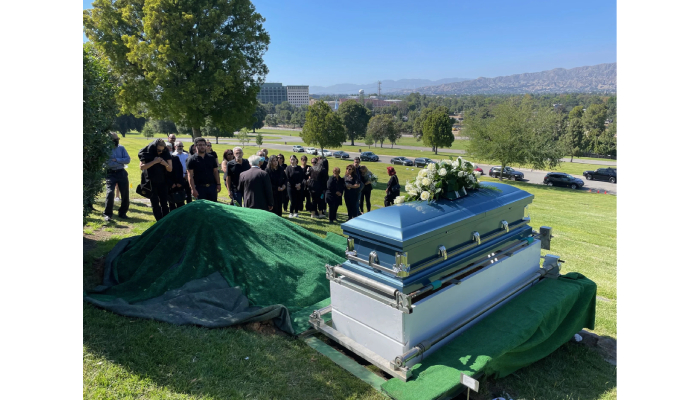
In Southern California, the Iranian burial process is deeply rooted in Islamic traditions, with burials typically occurring within 24 hours of death. This promptness reflects the belief in the importance of laying the deceased to rest as soon as possible. Families often select graveyards that hold cultural or religious significance, which can enhance the connection to their heritage. The act of digging the grave is frequently a family affair, where loved ones participate as a final tribute to the deceased, symbolizing their love and respect.
During the burial, graves are oriented towards Mecca, aligning with Islamic beliefs. Families may also place personal items, such as photographs or meaningful tokens, in the grave to accompany the deceased into the afterlife, adding a personal touch to the solemnity of the occasion. Ceremonial practices can vary by region within Iran, reflecting diverse customs that might influence how families approach the burial process. The community plays a vital role, often coming together to support the bereaved family, which can create a sense of solidarity during a challenging time.
After the burial, it is common for family members to return to the gravesite for additional prayers and reflection, fostering a continued connection with their loved one. Graves are typically marked with headstones that may feature inscriptions in Persian or Arabic, serving as a lasting memorial that honors the deceased’s identity and heritage. The entire process is not only a means of honoring those who have passed but also a beautiful expression of cultural values and community support.
3. Understanding the Mourning Period
The mourning period in Iranian culture is a deeply significant time, marked by heartfelt traditions and communal support. Known as Chahrum, this initial three-day mourning period sees family members gathered at home, welcoming visitors who come to offer condolences and share food. This practice not only honors the deceased but also strengthens community ties. On the third day, a special prayer service often takes place, where families commemorate their loved one’s life with prayers and shared memories.
Beyond Chahrum, many families participate in a 40-day mourning period called Arbaeen, marked by gatherings and prayers that reflect on the life of the departed. During this time, families might wear black or subdued colors, adhering to cultural norms that signal their grief. Religious leaders frequently play a crucial role, providing guidance and emotional support, helping families navigate their sorrow.
As a part of the mourning process, families often share stories and reminisce about the deceased, creating a space for reflection and connection. Engaging in charitable acts in memory of the loved one is also common, as it reflects the values of generosity and community spirit. Memorial services on the anniversary of the death allow families to honor their loved ones, ensuring that their memories remain alive within the community.
4. Cultural Adaptations in Southern California
Southern California’s Iranian community is a lively tapestry of traditions and modern influences, particularly evident during funerals and memorial services. Many cultural organizations are in place to support grieving families, offering resources that help them navigate their customs in this new environment. Local funeral homes often specialize in services that honor Iranian practices, ensuring that preparations align with both tradition and local regulations. This means families can maintain their cultural integrity while receiving respectful care.
Community centers play an essential role, hosting workshops that educate families about their rights and the intricacies of local laws. These gatherings foster a sense of belonging, reinforcing the importance of shared cultural values. At the same time, many families blend traditional Iranian customs with local practices, resulting in unique memorial services that reflect their personal stories.
Local mosques serve as vital gathering spots for prayer and support during the mourning process, creating a strong network for those in grief. Cultural festivals often include memorials for community members who have passed, further strengthening ties among families. Online resources, including social media groups, offer immediate connections and information, making it easier for families to find support.
When it comes to memorial gatherings, many families opt for Iranian cuisine, catering that honors their heritage and brings a comforting touch to the occasion. The integration of technology also allows for virtual memorial services, which accommodate those unable to attend in person. Moreover, cultural sensitivity training for local funeral providers is becoming more common, ensuring that Iranian families receive the understanding and respect they deserve during such a challenging time.
5. Challenges in Navigating Traditions
Navigating the complexities of Iranian burial customs in Southern California can be a daunting task for families, especially when cultural misunderstandings arise. Families may find themselves at odds with funeral service providers who are unfamiliar with Iranian customs, leading to additional stress during an already difficult time. Legal requirements for burial in California can clash with traditional practices, further complicating the process. For instance, while the Iranian tradition calls for swift burial, local regulations might impose waiting periods that can feel distressing.
Additionally, families often grapple with the emotional toll of balancing cultural expectations with legal realities. Dietary restrictions, particularly the need for halal food, can complicate catering for memorial services, leaving families scrambling to find appropriate options. The struggle doesn’t end there; locating burial sites that honor cultural and religious needs can feel like searching for a needle in a haystack.
Generational differences within families can also create friction, as younger members may interpret customs differently than their elders. Language barriers can further hinder effective communication with service providers, leading to misunderstandings that add to the already heavy burden of grief.
Moreover, the availability of culturally appropriate mental health resources can be limited, which can affect the overall well-being of grieving families. As they seek support, families may encounter variations in practices based on their regional backgrounds, leading to potential disagreements about how best to honor their loved ones. In this intricate web of emotions and expectations, the need for respectful representation of cultural traditions in public discussions becomes essential, fostering understanding and compassion in the broader community.
6. Resources for Support and Guidance
In Southern California, the Iranian community is rich with resources to help families navigate the difficult journey of grief. Local organizations, such as the Iranian American Cultural and Educational Center (IACE), offer invaluable workshops and guidance on burial practices, ensuring families feel supported during this challenging time. Grief support services are often available through community organizations, providing counseling that respects cultural sensitivities, which can be crucial for those in mourning.
Online platforms, including forums and social media groups, serve as excellent connections for families seeking support networks and resources. These platforms allow individuals to share experiences and advice, fostering a sense of community that can be comforting during difficult times. Local mosques also play an essential role by offering spiritual counseling and support during the mourning period, helping families find solace through shared faith and cultural values.
For immediate assistance, grief support hotlines may be available, providing a lifeline for those in need of someone to talk to. Additionally, educational resources about Iranian customs can often be found in libraries and online databases, aiding families in understanding and honoring their traditions. Networking with other Iranian families can create emotional support systems, allowing individuals to share their feelings and experiences in a safe space.
Funeral homes that cater to the Iranian community frequently offer informational brochures that detail cultural practices and legal requirements, helping families make informed decisions. Community events focused on remembrance can also be meaningful, as they help families feel connected to others who understand their loss and can provide support.
7. Notable Variations in Practices
Regional differences in Iran significantly influence the customs observed during funerals and burials. Families from various provinces may showcase unique rituals that highlight their local culture and traditions. For instance, a family from Khorasan might incorporate specific songs or chants that are less common among families from Fars. Additionally, religious sects, such as Shia and Sunni, have distinct practices regarding funerals and mourning periods, which can lead to different approaches to grief and remembrance.
Some families may even blend elements from other cultures they have encountered in their new communities, enriching their mourning practices. For example, it’s not uncommon for Iranian families in Southern California to incorporate contemporary memorial styles alongside traditional customs, creating a unique ceremony that reflects both heritage and modern influences. This blending fosters a vibrant cultural tapestry, showcasing the diversity within the community.
Language plays a role too; different Iranian dialects may affect the prayers and rituals performed, reflecting regional identities. The role of women in these practices can also vary, with some families adhering to stricter customs than others, leading to a rich variety of experiences in mourning.
Moreover, the impact of diaspora experiences shapes how traditions are adapted in new environments. Families might find themselves navigating a complex landscape of cultural expectations while trying to honor their loved ones. Understanding these variations not only deepens appreciation for Iranian customs but also highlights the dynamic nature of the Iranian community in Southern California.