
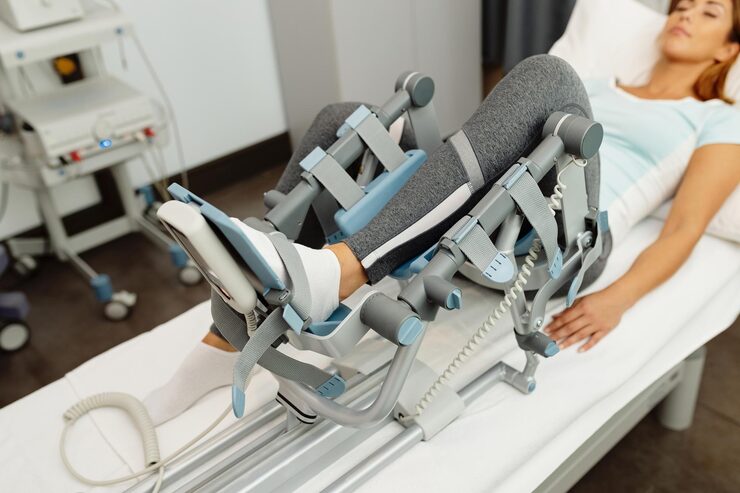
Robotic knee replacement surgery is a modern solution for those dealing with significant knee pain. Patients can expect thorough preoperative assessments, including consultations and imaging tests that help form a detailed surgical plan. On the day of surgery, advanced robotic systems assist surgeons in performing precise procedures with smaller incisions, leading to less pain and quicker recovery. After surgery, patients will be closely monitored and often begin physical therapy right away to promote healing. Follow-up appointments are essential to track progress as many individuals return to regular activities within weeks. Overall, this technology aims for better outcomes and improved experiences for patients.
1. Preoperative Preparations for Robotic Knee Surgery
Before undergoing robotic knee replacement surgery, patients go through several important steps to prepare. First, a thorough consultation and assessment are conducted to identify any underlying health issues that might impact the surgery and recovery. This includes reviewing the patient’s medical history, performing a physical exam, and possibly using imaging studies like X-rays or CT scans to determine if the patient is a good candidate.
Surgeons then create a personalized surgical plan, utilizing advanced imaging technologies to model the anatomy of the knee. This detailed approach helps in selecting the right implant size and positioning, which is crucial for the surgery’s success.
Health optimization plays a significant role in the preparation phase. Patients are encouraged to focus on weight management, as even modest weight loss can enhance surgical outcomes and reduce recovery times. Additionally, a medication review is essential; patients should inform their healthcare team about all medications and supplements they are taking to avoid any interactions during the surgery.
Preoperative testing, including blood tests and other evaluations, may be required to assess the patient’s overall health and readiness for anesthesia. Informed consent is also a vital step, where patients receive detailed information about the procedure, its risks, and its benefits, ensuring they make well-informed decisions.
Preparing for recovery is equally important. Patients should consider arranging for help at home after the surgery to assist with mobility and daily activities during their recovery period. Mental preparation is also encouraged, as understanding the procedure and what to expect can help reduce anxiety and improve cooperation during rehabilitation.
Lastly, some simple pre-surgery exercises might be recommended to strengthen the muscles around the knee, aiding in a faster recovery after the surgery. Nutritional guidance focusing on a balanced diet rich in proteins and vitamins can further support healing and overall health.
- Consultation and Assessment: Identifying any underlying health issues for tailored care plans.
- Personalized Surgical Plan: Using advanced imaging technologies for precision in surgery.
- Health Optimization: Focusing on weight management for better surgical outcomes.
- Medication Review: Informing the healthcare team of all medications to avoid interactions.
- Preoperative Testing: Blood tests and evaluations to assess overall health.
- Informed Consent: Providing detailed information about the procedure, risks, and benefits.
- Preparation for Recovery: Arranging for help post-surgery to support recovery.
- Mental Preparation: Reducing anxiety through understanding the procedure and recovery.
- Pre-Surgery Exercises: Recommended exercises to strengthen knee muscles for recovery.
- Nutritional Guidance: Emphasizing a balanced diet for healing and health.
 2. Understanding the Surgery Process
 2. Understanding the Surgery Process
On the day of the surgery, patients are escorted to the operating room where the robotic system is prepared to assist the surgeon. This technology enhances the surgeon’s capabilities, allowing for precise removal of damaged tissue and optimal alignment of the new implant. The robotic arm offers real-time feedback, which helps tailor the procedure to the patient’s unique anatomy, ensuring a better fit and function of the knee.
The entire procedure usually lasts between 1 to 2 hours. Patients should have a conversation with their surgical team beforehand about their anesthesia preferences, whether it’s general or regional. This discussion helps ease any anxiety regarding the anesthesia experience.
The use of robotic assistance means smaller incisions, which can lead to quicker healing times and less postoperative pain. This minimally invasive approach not only contributes to reduced blood loss but also enhances aesthetic outcomes, leaving less noticeable scars.
In the operating room, strict safety protocols are followed. Infection control measures are in place to protect patients before and during the surgery. Additionally, a skilled team comprising surgeons, anesthesiologists, and nurses collaborates closely to ensure a smooth surgical experience. Throughout the surgery, continuous monitoring of vital signs is conducted. This vigilance allows for prompt responses to any changes in the patient’s condition, further ensuring safety and comfort.
Proper patient positioning on the operating table is also crucial. It enhances access and visibility for the surgeon, improving the effectiveness of the procedure. After the surgery, patients will receive detailed postoperative instructions before leaving the hospital, which will cover medication guidelines and activity restrictions to aid in their recovery.
3. Postoperative Recovery Journey
After robotic knee replacement surgery, the recovery journey begins with immediate care in a monitored setting. Patients are closely watched for vital signs, pain levels, and any potential complications. Effective pain management strategies are put in place, combining medication and physical therapy to ensure comfort during the early stages of healing.
A structured rehabilitation program is essential, starting as soon as the day after surgery. Physical therapy sessions help restore knee function and strength, guiding patients through exercises that promote mobility and flexibility. Gentle movement is encouraged right from the start, with assistive devices like walkers or crutches often used to prevent stiffness and support safe mobility.
At home, arranging for assistance can greatly ease the recovery process, allowing patients to focus on healing. Regular follow-up visits with the surgeon are important to monitor progress and adjust rehabilitation plans as needed. Patients should also be vigilant for signs of infection, such as increased redness or swelling, and reach out to their doctor if these occur.
Nutritional choices play a significant role in recovery; eating a balanced diet rich in protein and fiber can aid healing. Staying hydrated is equally important, as it supports overall health during recovery. Many patients experience emotional ups and downs, so having a support network of family and friends can be beneficial in navigating these feelings.
4. Long-Term Expectations After Surgery
Follow-up appointments are essential after robotic knee replacement surgery. These visits help monitor your progress and ensure that your new knee is functioning well. They allow your healthcare provider to quickly address any concerns that may arise. Most patients can expect to return to light activities within a few weeks. However, if you enjoy high-impact sports, you may need to wait longer to ensure a safe return.
Many patients report significant improvements in pain relief and mobility after surgery, which can greatly enhance their quality of life. However, it is important to understand that full recovery and a return to pre-surgery activity levels can take several months. This understanding is key to managing your expectations during the recovery process.
Ongoing care is crucial for maintaining knee health in the long term. Regular exercise and weight management play vital roles in keeping your knee functioning well. Being aware of potential long-term complications, such as implant wear or knee stiffness, is important. Knowing how to address these issues can help you stay proactive about your joint health.
Lifestyle adjustments can also lead to better long-term outcomes. Engaging in regular exercise and maintaining a healthy weight can positively affect your knee’s functionality. Connecting with support groups can offer emotional support and practical advice during your recovery. Always monitor for any changes in knee function or pain, and report these to your healthcare provider promptly. Continuing to educate yourself about knee health and rehabilitation empowers you to take an active role in your recovery.
Frequently Asked Questions
What is robotic knee replacement surgery?
Robotic knee replacement surgery is a procedure where doctors use robotic technology to help them replace a damaged knee joint. This technology allows for more precise movements during the surgery.
How long does the surgery take?
The surgery usually takes about two to three hours. However, this can vary based on the specific situation of the patient and the complexity of the surgery.
What should I expect during recovery?
After the surgery, you can expect some pain and swelling, but this is normal. Most patients start physical therapy soon after, which helps improve movement and strength in the knee.
Are there risks associated with robotic knee replacement?
Like any surgery, robotic knee replacement has some risks. These can include infection, blood clots, or issues with the implant, but serious problems are rare.
Will I need help at home after the surgery?
Yes, it’s a good idea to have someone help you at home for the first few days. You’ll need assistance with daily activities as you begin to recover and regain your mobility.
TL;DR Robotic knee replacement surgery offers a precise and safe alternative to traditional procedures, with extensive preoperative assessments and personalized plans. During surgery, the robotic system assists in optimizing implant alignment, allowing for smaller incisions and less pain. The recovery process starts immediately with physical therapy and structured rehabilitation, leading to a return to daily activities within weeks. Long-term follow-ups ensure proper healing and enhanced outcomes, with many patients enjoying an improved quality of life after surgery.