
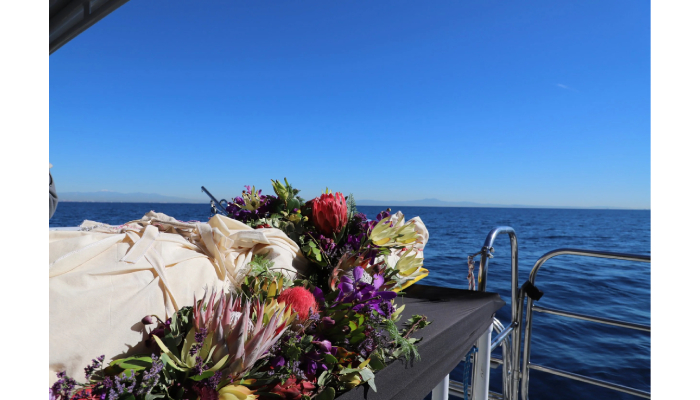
Burial at sea in Southern California offers a unique farewell experience, highlighting both natural beauty and deep meaning. Families can expect to follow strict legal frameworks set by the EPA, which requires burials to take place at least three nautical miles from shore and in waters over 600 feet deep. Utilizing only biodegradable materials is essential for protecting marine ecosystems. Before the ceremony, families must obtain the necessary permits and work with licensed providers to ensure compliance with regulations. With costs averaging between $900 and $1,200, families often find it beneficial to hire professionals who manage logistics for a more seamless experience.
1. Legal Framework for Burial at Sea
Burial at sea in Southern California is an intriguing and meaningful option, but it comes with a set of legal guidelines to ensure safety and environmental protection. At the federal level, the U.S. Environmental Protection Agency (EPA) regulates this practice through the Marine Protection, Research, and Sanctuaries Act. This law mandates that all burials occur at least three nautical miles from shore and requires full-body burials to be conducted in waters at least 600 feet deep. Families must use biodegradable materials for caskets and urns, as plastic or metal is strictly prohibited to protect marine life.
Additionally, families need to be aware that state-specific regulations may differ from federal guidelines. For instance, a local permit for the disposition of human remains is required, along with a certified death certificate. The organization or captain handling the burial must hold a valid Cremated Remains Disposer (CRD) license issued by the California Department of Consumer Affairs, ensuring compliance with local laws.
Documentation proving adherence to these regulations must be maintained for a specified duration, and families need to report to the EPA within 30 days post-burial, providing essential details like the burial coordinates and the vessel used. With the legal landscape continuously evolving, staying informed on any changes is crucial. Consulting a legal expert can be beneficial for navigating any complex issues related to sea burials, especially when it comes to the legal implications of scattering ashes versus full-body burials.
2. State Licensing and Required Permits
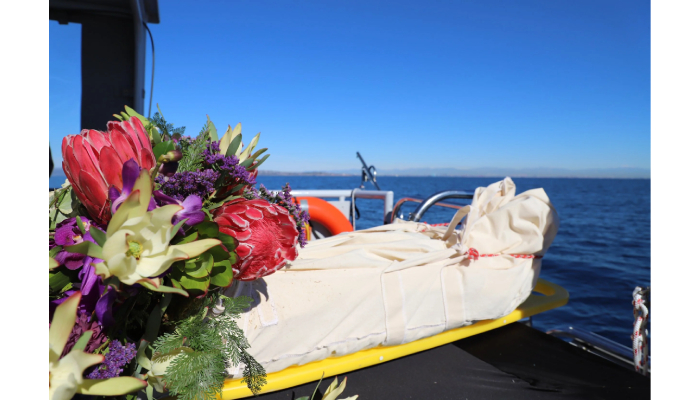
To embark on a burial at sea in Southern California, securing the proper licenses and permits is essential. First, families must obtain a burial permit from their local health department, which is a crucial step before proceeding with any plans. It’s important to note that the process can differ across various counties in California, so checking local regulations is vital. Generally, documentation like a certified death certificate will be needed for the permit to be approved. Additionally, families often need to provide proof of arrangements with a licensed burial provider, ensuring that all legal requirements are met. The captain conducting the burial must possess a Cremated Remains Disposer license to guarantee compliance with state laws. Families should also be aware that permits typically need to be submitted several weeks in advance of the planned burial date. Consulting with a licensed funeral director can help streamline this process, making it smoother and less stressful. There are also fees associated with obtaining necessary permits and licenses, so budgeting for these costs is advisable. Finally, it’s essential to keep the permits on hand for record-keeping and future reference, as they play a significant role in ensuring everything is conducted legally and respectfully.
3. Application Process for Burial at Sea
The application process for a burial at sea requires careful planning and should ideally begin at least a month in advance of the intended date. Families must provide detailed information about the burial plan, including specifics about the chosen location and burial method. According to EPA guidelines, it’s essential to submit exact coordinates of the burial site, ensuring compliance with federal regulations. After the burial, families are responsible for reporting back to the EPA within 30 days, supplying crucial details such as the date and time of the event, along with the vessel used for the burial. Keeping a record of all correspondence with the EPA is vital for future reference and can help avoid any potential issues. To streamline the process, families may consider hiring a service that specializes in sea burials, which can alleviate much of the application burden. It’s also wise to gather all required documentation, including permits and licenses, and inquire about any additional information the EPA may need to ensure a smooth and successful application process. Confirming the EPA’s receipt of the application is crucial to prevent any last-minute complications.
4. Planning the Burial Ceremony
Planning a burial at sea is a unique opportunity to create a personal and meaningful ceremony for your loved one. Choosing a location that holds significance can deepen the emotional connection for everyone involved. Many families love to personalize the ceremony with music, readings, or special tributes that reflect the personality and life of the deceased, making the event even more memorable.
The choice of vessel is also crucial; it should be appropriate for the number of attendees and the type of burial planned. Hiring a professional service can be a smart move, as they can handle all the logistics and ensure everything runs smoothly. It’s essential to consider weather conditions too, as they can affect the day’s events, so plan accordingly to avoid any surprises.
Communicating with attendees about what to expect is vital. Let them know the duration and nature of the ceremony, helping to set expectations and allowing for their input on the details. Depending on personal preferences, families might opt for a small, intimate gathering or a larger ceremony with more attendees.
Creating a timeline for the day can keep everything organized and on track. Incorporating symbolic gestures, like scattering flowers or personal mementos, can add depth to the ceremony, making it a heartfelt tribute to the life that was lived. This thoughtful planning transforms a burial at sea into a profound celebration of a loved one’s journey.
- Choosing a meaningful location for the burial can enhance the emotional significance of the event.
- Families may wish to personalize the ceremony with music, readings, or other tributes to the deceased.
- Vessel choice is critical; it should be appropriate for the number of attendees and the type of burial planned.
- Hiring a professional service can help manage logistics and ensure all details are handled smoothly.
- Consider weather conditions when planning the ceremony to avoid complications on the day.
- Attendees should be informed of the expected duration and nature of the burial ceremony.
- Families may opt for a small gathering or a larger ceremony depending on personal preferences.
- Discussing the ceremony details with all attendees can help set expectations and allow for input.
- Create a timeline for the day of the burial to keep everything organized and on track.
- Incorporating symbolic gestures, like scattering flowers or personal mementos, can add depth to the ceremony.
5. Costs Involved in Sea Burials
When considering a burial at sea in Southern California, understanding the costs involved is crucial. On average, families can expect to pay between $900 and $1,200, but this can vary widely based on the services selected. Factors such as vessel rental, necessary permits, and professional coordination services can influence the total cost. It’s wise for families to ask providers for detailed pricing to get a clear picture of what is included in the package. Personalized services, like floral arrangements or memorial items, may incur additional costs, so budgeting for both expected and unexpected expenses is essential. Some companies offer package deals that combine multiple services at a reduced rate, which can be a cost-effective option. Additionally, payment plans might be available, allowing families to manage expenses over time. Checking insurance policies can also be beneficial, as some aspects of the burial might be covered. Open discussions about costs with family members can lead to informed decisions. Finally, comparing multiple providers ensures that families can find the best value tailored to their needs.
6. Vessel Requirements for Sea Burials
When planning a burial at sea in Southern California, selecting the right vessel is crucial. The vessel must be licensed for commercial use and specifically suited for sea burials in order to comply with necessary regulations. It’s important to consider the capacity of the vessel; it should comfortably accommodate all attendees, creating a respectful and intimate atmosphere for the ceremony. Safety cannot be overlooked either; the boat must be equipped with life jackets and emergency equipment to ensure everyone on board is secure.
Working with a service provider that has experience in conducting burials at sea is vital. They can guide you in choosing the right type of vessel, which may include options like charter boats or specialized funeral vessels. Before the ceremony, it’s advisable to inspect the vessel to ensure it meets all safety standards. Additionally, families should take time to review the vessel’s reputation and reliability, ensuring a smooth experience on such an important day.
Another key aspect is the navigational equipment. The vessel should have functional GPS and navigational tools to accurately locate burial sites, especially since burials must occur at least three nautical miles from shore. Weather conditions can also influence the choice of vessel; during stormy seasons, it’s wise to select a more robust option. Families are encouraged to discuss their vessel options and any recommendations with their service provider, ensuring that every detail is covered for this significant farewell.
7. Environmental Considerations for Sea Burials
Planning a burial at sea in Southern California requires a strong focus on environmental protection, as it is vital to preserve marine ecosystems. Families should opt for biodegradable materials for caskets and urns, ensuring that their final farewell does not harm the ocean environment. Additionally, eco-friendly options for flowers and other ceremonial items can minimize the ecological footprint of the ceremony. Educating attendees about these environmental aspects not only enhances their understanding but also fosters a deeper appreciation for the process. Some services even offer packages that include tree planting or other eco-conscious initiatives, allowing families to contribute positively to the environment. It’s important to follow local and federal environmental guidelines when choosing burial methods, and selecting a designated burial site helps protect marine life. Families are encouraged to reflect on how their choices impact the ocean, and engaging with local marine conservation groups can provide valuable resources and insights. Staying informed about best practices in environmental stewardship can enrich the burial experience and ensure that it honors both the departed and the natural world.
8. Common Questions About Sea Burials
Many families have questions when considering a burial at sea. One common concern is whether they can conduct the burial without hiring a licensed captain. It is not recommended to do so because there are strict legal requirements that need to be followed. Families often want to know what types of remains are allowed; only human remains can be buried at sea, with no exceptions for pets or animal remains. Logistics can be a source of stress as well, with families frequently asking about transportation to the burial site and the timing of the ceremony.
Another popular inquiry is whether a memorial service can be held on the vessel during the burial. This can be a touching way to honor a loved one before they are laid to rest in the ocean. Clarifications about the legality of scattering ashes in specific locations are also common, as families want to ensure they are abiding by regulations. Personalization is key, and families often seek advice on how to create a meaningful ceremony that truly reflects their loved one’s life.
Environmental impact is a significant concern, with many families wanting to ensure that the burial process causes minimal harm to marine ecosystems. Questions about obtaining necessary permits and licenses frequently arise, as these are crucial steps in the process. Understanding the differences between full-body burials and cremated remains can help families make informed choices and choose the option that feels right for them. Lastly, the emotional aspects of a burial at sea can be complex, and families often express curiosity about how to navigate their feelings during this poignant moment.