
Starting semaglutide can feel like a big step toward better health. This prescription medication helps manage weight and blood sugar, but it comes with details that deserve close attention before treatment begins. Understanding semaglutide safety before starting treatment helps prevent avoidable risks and supports better long-term results.
It is important to learn how it works, what to expect from the first injections, and how the body may respond. Knowing when to talk with a healthcare provider, how to monitor side effects, and what signs to watch for builds confidence and supports safe progress with this medication.
Consult your healthcare provider for a thorough medical assessment before starting semaglutide
Before starting semaglutide, each patient should have a full medical review with a qualified healthcare provider. This step helps identify health conditions, medication interactions, or contraindications that might affect treatment safety. The provider may review weight history, lab results, and current prescriptions to make sure the medication fits the patient’s needs.
Providers at telemedicine-based clinics, including programs like semaglutide weight management by The HCG Institute, often require an online evaluation. During this consultation, licensed clinicians assess whether the patient meets medical criteria for therapy. They also discuss the correct dosage, potential side effects, and expectations for progress.
A medical assessment also ensures that the patient understands how to inject semaglutide properly and store it safely. Follow-up appointments let the provider adjust the dose or address side effects. Clear communication between the patient and care team supports safer outcomes and promotes steady progress in weight management.
Be aware that semaglutide is administered via subcutaneous injection and requires proper dosing guidance
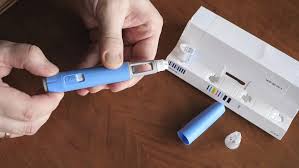
Semaglutide is injected under the skin, not into a muscle or vein. Patients use a prefilled pen or vial to deliver the correct amount once each week. A healthcare provider should show the proper technique before the first dose to help avoid discomfort or errors.
The injection can go into the thigh, upper arm, or abdomen. Rotating the site each week can help reduce skin irritation. It is best to use the same day each week for consistency, but the day may change if at least two days have passed since the last dose.
Proper dosing guidance is important because too much medicine may raise the risk of nausea or other side effects. Providers often start with a lower dose and increase it gradually to allow the body to adjust. Patients should contact their healthcare provider if they miss a dose or are unsure how to measure or inject the medication.
Understand common side effects such as nausea, constipation, headaches, and fatigue
Many people experience mild side effects at the start of semaglutide treatment. Nausea is the most common and often appears soon after the first few doses. The feeling may ease as the body adjusts to the medication. Eating smaller meals and avoiding heavy or greasy foods may help reduce discomfort.
Constipation also occurs in some users. The slower digestion caused by semaglutide may lead to fewer bowel movements. Drinking water and adding fiber to meals often help restore normal activity.
Headaches sometimes develop, usually alongside changes in blood sugar levels. Staying hydrated and maintaining a steady meal schedule may bring relief.
Fatigue can appear as the body adapts to lower appetite or new eating patterns. Getting enough rest and balanced nutrition often improves energy. In most cases, these symptoms fade over time as the system settles into the treatment routine.
Monitor blood sugar closely to recognize and manage potential hypoglycemia symptoms
People who start semaglutide should watch their blood sugar levels often, especially if they also use insulin or other diabetes medicines that can lower glucose. This helps detect changes early and reduces the chance of sudden drops that cause discomfort or risk. Regular checks give a clear picture of how the body reacts to treatment.
Low blood sugar, also known as hypoglycemia, can appear quickly. Common signs include sweating, shaking, dizziness, hunger, or confusion. Some may feel anxious or notice a fast heartbeat. Recognizing these symptoms early allows quick action before the condition worsens.
If glucose levels fall below 70 mg/dL, they should raise them by taking glucose tablets or a small amount of juice or candy. After symptoms improve, they should recheck levels in about 15 minutes. Keeping a record of readings and responses helps the healthcare provider adjust medication more precisely and keep future episodes under control.
Avoid semaglutide if you have a history of certain thyroid conditions or allergies to the medication
People with a personal or family history of medullary thyroid cancer or Multiple Endocrine Neoplasia type 2 should not use semaglutide. These conditions may increase the risk of thyroid tumors linked to this medication. Although this risk has not been seen in human studies, the warning remains important.
Those with common thyroid conditions such as hypothyroidism or hyperthyroidism can usually use semaglutide safely under medical supervision. However, a doctor should review each case carefully to confirm that it is appropriate. Regular checkups help detect any changes in thyroid function early.
Anyone with an allergy to semaglutide or its ingredients must also avoid the drug. Symptoms of an allergic reaction may include rash, swelling, or trouble breathing. If these occur after an injection, they should stop using the medicine and seek medical care immediately.
Conclusion
Semaglutide can help manage both type 2 diabetes and weight loss, but safe use depends on proper guidance from a healthcare professional. Patients should review their medical history and current medications before starting treatment. This step helps lower the risk of side effects and interactions.
Common side effects often involve the stomach, such as nausea, constipation, or mild discomfort. These usually fade as the body adjusts. However, any ongoing or severe symptoms should be discussed with a doctor.
It is also important to understand signs of low blood sugar, such as dizziness, hunger, or irritability. Monitoring blood sugar and following dosage directions can help prevent such reactions.
In summary, patients who take time to learn about semaglutide’s effects, dosing, and safety measures have a better chance of achieving steady results while protecting their health.