
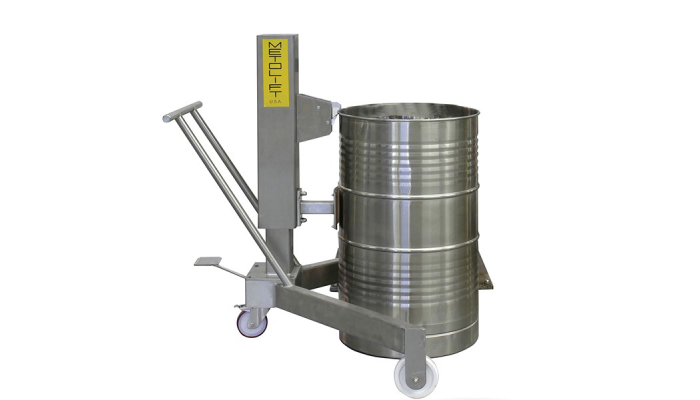
When selecting drum handling equipment, a thorough understanding of your specific needs is vital. Start by identifying the types and sizes of drums you will manage, noting their heaviest weights and whether they have top rims. Different operations may require various solutions, like mobile handlers for transport or tippers for controlled pouring. Safety should never be overlooked; ergonomic designs can prevent injuries while secure mechanisms minimize spill risks. Consideration of long-term costs and potential customization options can further enhance efficiency in the workplace. Ultimately, consulting suppliers can lead to tailored solutions that fit your exact operational requirements for effective drum handling.
1. Understanding Drum Types and Sizes
When choosing drum handling equipment, it’s crucial to understand the various types and sizes of drums you may encounter. Common drum materials include steel, plastic, and fiber, each requiring specific handling approaches. For instance, steel drums are typically sturdier but heavier, while plastic drums are lighter and often suitable for different contents. The standard size for most operations is the 55-gallon (210 liters) drum, but don’t overlook the 30-gallon (114 liters) options or even custom sizes that may fit your needs better.
Weight is another essential factor. Make sure the handling equipment you select is rated for the heaviest drum in your inventory. For example, if you primarily manage 55-gallon steel drums filled with dense materials, ensure the equipment can safely lift that weight. Additionally, check if the drums have a top rim, as this feature significantly impacts the choice of handling tools, especially when using drum lifters or tippers.
The contents of the drums also dictate the handling method. Liquids may require different equipment than powders or granules. For instance, if you’re dealing with hazardous liquids, secure handling mechanisms become even more critical to avoid spills. Environmental factors can’t be ignored either; consider whether your drums are stored indoors or outdoors, as this can affect both the equipment you’ll need and its durability.
Lastly, pay attention to the shape and condition of the drums. Cylindrical drums may require specific handling solutions, while older or damaged drums may need more careful handling to ensure safety. Always keep track of any labeling or markings on the drums for compliance and safety purposes, as these can provide vital information about contents and handling requirements.
2. Key Features for Drum Utilization
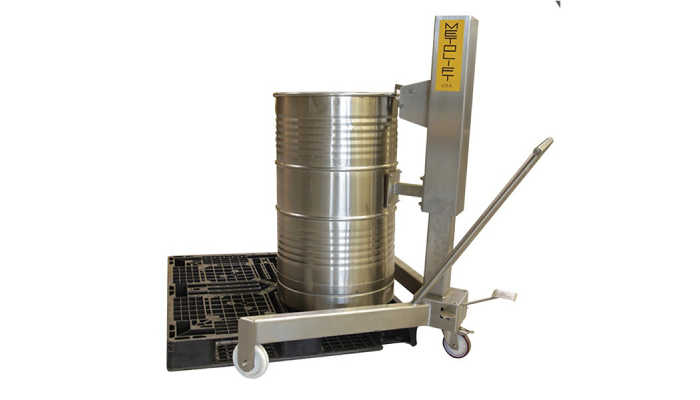
When selecting drum handling equipment, it’s essential to consider the specific features that will enhance drum utilization. First, determine your lifting mechanisms: Will you need to move drums upright for stacking, or will you require tilting capabilities for pouring? This factor significantly impacts your choice of equipment. Next, think about mixing requirements. If you need vigorous mixing, tumblers are ideal, while rollers offer gentle mixing for delicate contents.
Storage solutions are also crucial. Ensure your racking systems can safely accommodate the height and weight of the drums you handle. Quick access features can greatly reduce downtime, so look for equipment that allows easy retrieval of drum contents. Maneuverability is key, especially in tight spaces; equipment should be easy to navigate around your facility.
Consider the ease of setup and breakdown if you plan to use the equipment in various locations. Automated features can enhance operational efficiency, allowing for faster processes. If you intend to use attachments for lifting, ensure they are compatible with standard forklifts. Assess the durability of materials, particularly if your environment is harsh. Finally, prioritize user-friendliness to ensure all staff can operate the equipment safely and effectively.
- Determine the need for lifting mechanisms: will drums be moved upright or tilted for pouring?
- Identify if you need mixing capabilities: tumblers for vigorous mixing or rollers for gentle mixing of drum contents.
- Decide on storage solutions: racking systems should accommodate the height and weight of the drums safely.
- Explore features that allow for quick access to drum contents, reducing downtime.
- Look for equipment with easy maneuverability to navigate tight spaces in your facility.
- Consider the ease of setup and breakdown for equipment used in various locations.
- Evaluate the need for automated features to enhance efficiency in operations.
- Check for compatibility with standard forklifts if using attachments for lifting.
- Assess the durability of materials used in the equipment, especially in harsh environments.
- Review user-friendliness of the equipment to ensure all staff can operate it safely.
3. Different Types of Drum Handling Equipment
When it comes to drum handling, having the right equipment can make all the difference. Forklift attachments are essential for efficiently lifting and transporting drums, especially in busy warehouses. Below-hook drum handlers are perfect for crane or hoist operations, adding a layer of versatility to your operations. If mobility is what you need, mobile drum handlers allow you to easily move drums across larger facilities, making them a great choice for dynamic environments.
Consider powered options like battery-powered, air-powered, or even manual devices. Battery-powered models offer efficiency, while air-powered alternatives provide flexibility, and manual options can be more cost-effective. Specialized options also exist; for instance, stainless steel models ensure hygiene in food handling, while spark-resistant equipment is crucial for safely managing hazardous materials.
Evaluate drum lifters that can handle various sizes and weights effectively, ensuring you can accommodate everything from standard 55-gallon drums to lighter options. Drum tippers are another valuable tool, designed for controlled pouring to minimize spills. If you need to mix or inspect drum contents, drum rotators can assist without manual intervention, while pouring devices enable precise dispensing, reducing waste.
Lastly, don’t overlook the possibility of custom-built solutions tailored to your unique handling challenges. Whether you’re dealing with specific weights, sizes, or materials, there’s likely a solution that fits your needs.
4. Essential Safety Considerations
When it comes to drum handling equipment, safety should always be a top priority. First, consider ergonomics: equipment designed with the operator in mind can significantly reduce physical strain and minimize the risk of injuries, such as back problems or hand injuries. Implement secure handling mechanisms to prevent spills, especially crucial when dealing with hazardous materials. Compliance with local and federal safety regulations not only protects your workers but also safeguards the environment.
Training staff on the safe operation of drum handling equipment is essential. This training should cover best practices and emphasize the importance of following safety protocols. Regular inspections are also critical; routinely checking equipment for wear and tear helps address safety concerns before they escalate. Additionally, using personal protective equipment (PPE) when handling drums, particularly those containing hazardous contents, is non-negotiable.
It is vital to have emergency procedures in place for spills or accidents, ensuring that workers know how to react quickly and effectively. Make sure all handling equipment is rated for the specific weight and type of drums being managed. Reviewing safety data sheets (SDS) for the contents of the drums allows for a better understanding of potential hazards. Lastly, fostering a culture of safety in the workplace is key, encourage staff to report any concerns about equipment or procedures without hesitation.
5. Evaluating Cost-Benefit of Equipment
When evaluating drum handling equipment, balancing initial purchase costs against long-term investment is crucial. While high-quality equipment may come with a higher upfront price, it often pays off over time through reduced maintenance costs and increased lifespan. Consider how these factors contribute to your overall budget for drum handling. Operational efficiency is another key aspect; faster and safer equipment can lead to significant savings in labor costs and enhance productivity. Moreover, think about the potential downtime caused by spills or equipment failures. Investing in reliable equipment can mitigate these risks and keep your operations running smoothly.
Analyzing the performance of previous equipment can provide valuable insights for future purchases, helping you avoid past mistakes. Don’t forget to review warranty and service options, as having support readily available is essential for minimizing disruptions. It’s also wise to compare models from different suppliers, ensuring you find the best value tailored to your specific needs. Furthermore, consider how the equipment impacts workplace safety, as improving safety can also reduce insurance costs. Lastly, the potential for automation should not be overlooked; automating drum handling can cut labor costs and boost efficiency in your operations.
6. Customization Options for Your Needs
When it comes to drum handling equipment, finding the right fit for your specific needs can make all the difference. Look for suppliers that provide tailored solutions to suit your operational requirements. Engaging with experts can help you evaluate your current processes and identify the most effective solutions. Adjustable equipment is a great option, as it can accommodate different drum sizes and types, allowing you to adapt as your needs evolve.
Consider investing in modular systems that offer the potential for future upgrades or expansions in handling capabilities. This flexibility can save you time and money in the long run. Additionally, customization of safety features is crucial, particularly based on the type of materials being handled, ensuring that your equipment meets safety standards.
Don’t hesitate to engage with manufacturers who can provide unique designs that enhance efficiency in your facility. Assess the possibility of bespoke equipment that integrates seamlessly with your existing systems, making operations smoother. You might also explore options for branding or labeling on customized equipment to reinforce your company identity.
Reviewing case studies from suppliers can provide insights into successful custom solutions for similar challenges you face. And before making a purchase, requesting demonstrations of customized options can give you a clear picture of how they perform in action, ensuring you make an informed decision.
7. Overview of Specific Drum Handling Tools
Drum handling equipment plays a pivotal role in ensuring safety and efficiency in operations. Drum lifters are essential for safely lifting and positioning drums without manual effort, reducing the risk of injuries. Drum tippers provide a controlled way to pour drum contents, which minimizes spills and enhances accuracy, crucial when dealing with hazardous materials. Drum rotators allow for mixing or inspecting contents, making it easier to maintain quality control, especially in processes that require uniformity.
Drum pouring devices enhance precision during dispensing, minimizing waste and mess, which is vital for operational efficiency. If you need quick lifting and transportation, pneumatic drum handlers are a great option, providing power without the strain of manual lifting. For ease of use and reduced manual labor, electric drum handlers stand out, allowing operators to move heavy drums with minimal effort.
Manual drum handlers can also be a practical choice, offering a balance of cost and functionality for those on a budget. Additionally, drum cradles are important for supporting upright storage and transport, ensuring that drums don’t fall or get damaged. Drum dollies facilitate easy movement across flat surfaces without heavy lifting, making logistics smoother.
Lastly, don’t overlook accessories like drum wrenches or funnels, which can significantly improve overall handling efficiency by simplifying tasks and enhancing safety measures.