
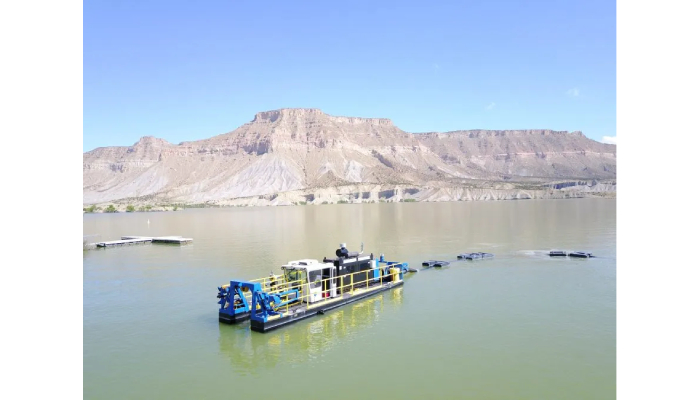
When buying a sand dredge, it’s crucial to consider several important factors that can make or break your investment. Start by looking for a reputable company with an established track record; this minimizes the risk of financial instability. The factory’s location matters too, as it impacts shipping costs and time. You should also assess what additional equipment you need for efficient operation and whether you prefer new or used options based on your budget. Consider rental if your projects are infrequent. Evaluate project scale, sediment type, fuel efficiency, and maintenance support. Lastly, ensure compliance with local regulations to prevent delays or fines; these steps will help secure a successful dredging operation!
1. Maintenance Needs and Support
When considering a sand dredge, maintenance needs and support play a crucial role in ensuring long-term efficiency and reliability. First, evaluate how easily you can access critical components for routine maintenance; this will save time and hassle during servicing. A detailed maintenance manual should come with the dredge, guiding operators through essential procedures and troubleshooting. Additionally, check if the manufacturer offers online support or resources for quick problem-solving, which can be invaluable when unexpected issues arise.
It’s also beneficial to consider manufacturers that provide comprehensive training for maintenance staff, enhancing the dredge’s longevity through proper care. Assess the availability of spare parts; a manufacturer committed to supplying them promptly can make all the difference in minimizing downtime. Inquire about the warranty period and understand what it covers regarding parts and labor for repairs, as this can significantly impact your overall costs.
Evaluate the frequency of recommended maintenance checks, along with the associated costs, to get a clear picture of ongoing expenses. Find out if there is a service network or authorized service centers nearby, ensuring you have support when needed. Customer testimonials can offer insights into the reliability of the dredge and the manufacturer’s support services, helping you make a more informed decision. Lastly, don’t forget to consider the total cost of ownership by factoring in expected maintenance expenses over the dredge’s lifespan, ensuring your investment is sound.
2. Ensuring Regulatory Compliance
When you’re in the market for a sand dredge, ensuring regulatory compliance is a crucial step that you cannot overlook. Start by researching the local, state, and federal regulations that govern dredging activities, as these can vary significantly depending on your location. Compliance with these laws is not just about avoiding fines; it’s about ensuring that your dredging operations are sustainable and responsible. Next, check if the dredging equipment meets environmental standards aimed at minimizing ecological impact. For instance, some dredges are designed with features that help control sediment and prevent pollution, which can be a game-changer in environmentally sensitive areas.
Inquire about any required permits and ask the manufacturer about their experience in assisting customers through the compliance process. A knowledgeable manufacturer can guide you through the necessary paperwork and help you understand the documentation required for inspections or audits. Staying informed about changes in regulations is also vital, as these can affect your operations down the line.
Look for dredges that come with compliance certifications from the manufacturer, ensuring that you are investing in equipment that meets industry standards. Additionally, consider dredges equipped with technology that aids in monitoring environmental conditions during operation, such as real-time data on water quality. If you’re uncertain about any aspect of compliance, engaging with environmental consultants can provide peace of mind, ensuring you cover all bases.
Finally, think about the long-term implications of non-compliance. Delays and penalties can derail project timelines and inflate costs, making it essential to prioritize regulatory adherence in your decision-making process.
- Research local, state, and federal regulations that govern dredging activities to ensure adherence.
- Check if the dredging equipment meets environmental standards to minimize ecological impact.
- Inquire about any required permits and the manufacturer’s experience in helping customers with the compliance process.
- Evaluate the dredge’s design for features that help in sediment control and pollution prevention.
- Stay informed about changes in regulations that may affect dredging operations in your area.
- Understand the documentation required to prove compliance during inspections or audits.
- Check if the manufacturer provides compliance certifications for their dredging equipment.
- Look for dredges equipped with technology that aids in monitoring environmental conditions during operation.
- Engage with environmental consultants if needed to ensure all aspects of compliance are covered.
- Consider the long-term implications of non-compliance on project timelines and costs.
3. Key Features of Dredging Machines
When you’re in the market for a sand dredge, focusing on key features is vital. Start with the pumping capacity, which should align with your project needs for material removal. If your project demands a high volume of dredging, ensure the dredge’s capacity can handle it. Next, look into the cutter head’s design; a well-designed cutter can efficiently break up different sediment types, making your dredging process smoother and faster.
Automation is another feature worth considering. Modern dredges often come equipped with GPS navigation and real-time monitoring systems that can enhance efficiency and accuracy. If you’re working in diverse environments, it’s crucial to choose a dredge that offers portability. Lightweight materials and modular designs allow for easier transport, especially to remote or hard-to-reach sites.
Durability is key, too. Investigate the materials used in construction, especially if you’ll be working in abrasive conditions. A robust dredge can withstand wear and tear over time, ensuring a longer lifespan. Additionally, consider the dredge’s capability to operate in various water depths and conditions. Some dredges excel in shallow waters, while others are designed for deeper environments.
Don’t overlook the integration of advanced technology. Features like telemetry can gather operational data, allowing for better decision-making during dredging operations. Maintenance features also play a crucial role; look for dredges that offer self-cleaning systems or easy access points for repairs. This can save you time and money in the long run.
Customization options are another aspect to explore. Tailoring a dredge for specific project requirements can lead to more efficient operations. Finally, assess the operational speed and efficiency of the dredge. The faster and more efficient it operates, the quicker you’ll complete your project.
4. Comparing Dredge Manufacturers
When it comes to choosing a sand dredge, comparing manufacturers is key to ensuring you get the best fit for your needs. Start with a checklist of must-have features like warranty options, customer support, and customization capabilities. Research customer reviews and ratings to get a sense of each manufacturer’s reputation. A company with positive feedback and a long-standing presence in the industry often indicates reliability.
Next, examine the warranty and service options. A strong warranty can save you money in the long run, while good service support ensures you are not left in the lurch if something goes wrong. Request quotes from multiple manufacturers to compare price points and what each includes. This gives you a clear picture of the best value.
Customization is another critical factor. Different projects have unique requirements, so inquire about how flexible manufacturers are in adapting their dredges to meet specific needs. Additionally, look into the training programs they offer for operators and maintenance personnel, as this can significantly impact the efficiency of your dredging operations.
Evaluate the manufacturer’s track record for delivering products on time and within budget. A reliable producer will have a history of completing projects as promised. Investigate any partnerships with other companies that may enhance their service offerings, such as access to specialized parts or additional expertise.
Lastly, consider their financial stability. A manufacturer with a solid financial background is more likely to provide long-term support. Attending trade shows or industry events can also be beneficial, allowing you to see dredges in action and meet representatives face-to-face, which can help solidify your decision.
5. Conducting a Cost Analysis
When diving into the purchase of a sand dredge, conducting a thorough cost analysis is essential. Start by breaking down the total cost of ownership into three main categories: the initial purchase price, operating costs, and maintenance expenses. The purchase price is just the tip of the iceberg. Don’t forget to factor in operating costs such as fuel, insurance, and the costs associated with employee training. These can add up quickly, so it’s crucial to include them in your financial calculations.
Moreover, keep an eye out for potential hidden costs that can sneak up on you, like regulatory compliance fees or unexpected repairs. For example, if you overlook the need for specialized permits, you might find yourself facing hefty fines down the line. Evaluating the resale value of the dredge is also important, as it can significantly impact your long-term cost estimates. A well-maintained dredge can retain value, while others may depreciate rapidly.
Don’t forget to compare financing options. Analyzing loans versus leasing arrangements can reveal which option fits your budget best. Sometimes, renting might be more economical than buying, especially if your dredging projects are sporadic. It’s wise to assess the cost-effectiveness of both options based on how frequently you plan to use the equipment.
Additionally, be sure to factor in the potential for project delays due to equipment failure or maintenance needs. These can lead to lost revenue, so it’s a good idea to plan for contingencies. Upgrades or modifications may also be necessary after your purchase, which can add to your budget, so keep this in mind when calculating total costs. Finally, calculating the return on investment (ROI) by estimating project revenues generated from your dredging activities will help you see if the purchase is worth it. Reviewing competitor pricing can provide valuable insights, ensuring that your analysis aligns with current market conditions.
Frequently Asked Questions
What type of sand dredge is best for my needs?
Choosing the right sand dredge depends on your project requirements, such as the size of the area to be dredged and the type of material you need to remove. Consider factors like the dredge’s capacity, size, and specific features like cutter heads or pumps that can help with your particular job.
How much maintenance does a sand dredge require?
Maintenance can vary based on the dredge type and how often you use it. Regular checks on the engine, pumps, and hull are key to keeping it in good condition. It’s important to follow the manufacturer’s maintenance guidelines to ensure longevity and proper functioning.
Is mobility an important factor when selecting a sand dredge?
Absolutely! The mobility of a sand dredge matters, especially if you’re working in different locations. Consider whether you need a stationary dredge or a portable one that can easily move between sites. This can save you time and reduce overall project costs.
What safety features should I look for in a sand dredge?
Safety features are crucial when buying a sand dredge. Look for items like emergency shut-off systems, stabilization mechanisms, and robust construction materials. These features help ensure safe operation, especially in challenging environments.
How do I determine the right size sand dredge for my project?
Determining the right size dredge means considering both the volume of sand you need to remove and the depth of the water. A good rule of thumb is to select a dredge that can handle your project’s capacity without overloading, ensuring efficient and effective operation.