
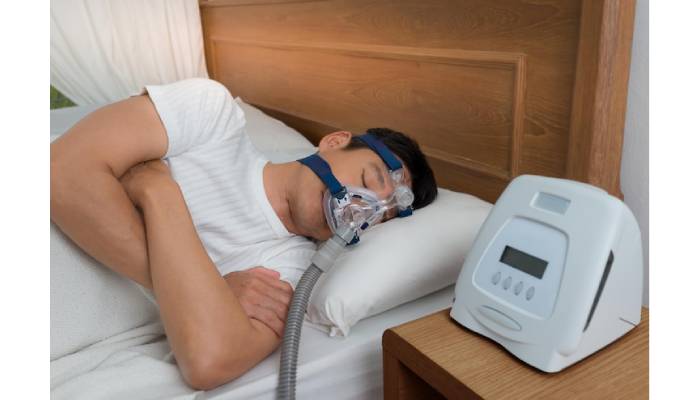
In Ontario, adults who show signs of obstructive sleep apnea (OSA) may qualify for a home sleep apnea test. The most suitable candidates typically have minimal other health issues. Interestingly, patients can self-refer for these tests without needing a doctor’s note, although having one can help later on. Common symptoms like loud snoring and daytime fatigue often push them to get tested. A compact device tracks vital metrics overnight in the comfort of their home, making it quite convenient and speedy to get results back, usually within 48 hours from licensed respirologists. However, those seeking funding for CPAP devices must complete an in-lab study first.
1. Who is Eligible for a Home Sleep Test in Ontario?
In Ontario, adults over 18 years old who show symptoms of obstructive sleep apnea (OSA) are typically eligible for a sleep apnea test at home in Ontario. Symptoms such as loud snoring, gasping for air during sleep, excessive daytime fatigue, and concentration issues can indicate a need for testing. Those with minimal health issues, like no significant heart or lung conditions, are preferred candidates for this testing option. Importantly, individuals can self-refer for a home sleep test, making it easier to access testing without needing a doctor’s order. Keeping a diary of sleep patterns can also support a case for testing, especially for those with a family history of sleep apnea or lifestyle factors like obesity that may increase their risk. Ontario’s healthcare guidelines promote home testing for patients with mild to moderate symptoms, allowing them to seek the help they need in a convenient manner.
2. Key Symptoms Indicating the Need for Testing
Many people overlook the signs of sleep apnea, but being aware of certain key symptoms can prompt testing. Loud snoring is often the first noticeable indicator; if a partner frequently mentions your snoring, it may be time to investigate further. Gasping or choking during the night can signal airway obstruction, a serious concern that warrants attention. Excessive daytime sleepiness, even after what feels like a full night’s rest, is another red flag, as it often points to disrupted sleep cycles.
Additionally, if you find it hard to concentrate or are experiencing memory issues, these cognitive difficulties may stem from poor sleep quality. Morning headaches can also indicate sleep-related breathing disorders, disrupting your day from the very start. Mood changes, such as increased irritability or mood swings, are not uncommon either, as lack of restorative sleep can affect emotional well-being.
Other symptoms include night sweats and restless sleep, which can be uncomfortable and disruptive. A decrease in libido or sexual dysfunction can also occur, reflecting the overall impact of sleep apnea on quality of life. Frequent nighttime urination may interrupt your sleep and is another symptom to consider. Keeping a sleep diary can be beneficial, as it helps track these symptoms and provides valuable insights to share with healthcare providers.
- Loud snoring during sleep is a common symptom of sleep apnea.
- Gasping or choking during the night can indicate airway obstruction.
- Excessive daytime sleepiness, even after a full night’s sleep, is a red flag.
- Difficulty concentrating or memory issues may arise due to poor sleep quality.
- Morning headaches can signal sleep-related breathing disorders.
- Irritability and mood swings can also be linked to disrupted sleep.
- Night sweats and restless sleep are additional symptoms to watch for.
- Patients might notice a decrease in libido or sexual dysfunction.
- Frequent nighttime urination can disrupt sleep and indicate potential issues.
- Keeping a sleep diary can help track these symptoms and aid in diagnosis.
3. Home Sleep Test Process Overview
The home sleep test process begins when a patient orders a test through a healthcare provider or online service. Once ordered, patients receive a compact device designed for overnight use. This device is easy to set up and wear while sleeping at home, allowing for a comfortable testing environment. It monitors various metrics such as heart rate, oxygen levels, and breathing patterns throughout the night. The device is user-friendly, with clear instructions provided to ensure proper setup and use. Data is collected over one night, which is crucial for accurate diagnostics. After the test, the device is returned to the provider, where licensed professionals analyze the collected data to determine if sleep apnea is present. Results are usually available within 48 hours, and a follow-up consultation is typically arranged to discuss the findings. During this consultation, patients may receive recommendations for further treatment or additional testing based on the results.
4. Understanding the Device Used for Testing
Home sleep test devices are designed to be compact and user-friendly, making them ideal for overnight monitoring in the comfort of your own home. A popular example is the WatchPAT ONE, which conveniently records various sleep metrics. These devices monitor important factors such as airflow, oxygen saturation, and heart rate, providing a comprehensive picture of your sleep patterns. Setup is straightforward, requiring minimal wiring and no complicated steps, which enhances user experience and compliance. Most devices are crafted to be non-intrusive, allowing for a comfortable night’s sleep without unnecessary interruptions.
The battery life is typically sufficient for a full night of monitoring, eliminating the hassle of recharging during the test. Some advanced devices even have the capability to sync data to mobile apps, making it easier for users to track their sleep metrics over time. Clear user instructions are provided to ensure that patients can fit the device correctly, which is essential for obtaining accurate results. The data collected through these devices helps healthcare professionals identify patterns consistent with sleep apnea, paving the way for further evaluation and treatment if necessary.
5. How Results are Interpreted by Professionals?
Results from home sleep apnea tests are carefully analyzed by licensed sleep specialists or respirologists. They evaluate the data collected during the test, focusing on breathing patterns, oxygen saturation levels, and any disruptions that occurred throughout the night. A detailed report is generated, highlighting key metrics such as the apnea-hypopnea index (AHI), which indicates the severity of sleep apnea based on the number of events per hour of sleep. Alongside the AHI, specialists also consider other factors, including the total sleep duration and overall sleep quality. Based on this comprehensive analysis, specialists provide personalized recommendations, which might include lifestyle changes or specific treatments to address the identified issues. Follow-up consultations are essential, as they allow patients to clarify findings and discuss potential next steps. If the results are inconclusive, patients may be advised to undergo further in-lab testing for a more thorough evaluation. Open communication with specialists helps address any concerns about the results, empowering patients to take charge of their sleep health and make informed decisions.
6. Funding Limitations for Home Sleep Tests
Home sleep tests in Ontario offer a convenient way for individuals to assess their sleep apnea, but they come with significant funding limitations. Generally, these tests are not covered by provincial funding. To qualify for coverage of CPAP equipment through the Ontario Assistive Devices Program (ADP), patients must first undergo a Level 1 in-lab sleep study at an accredited facility. This requirement means that individuals who opt for a home sleep test may have to bear the cost of the test themselves, which can be a financial burden.
For patients who are diagnosed with sleep apnea after the in-lab study, the ADP does provide some financial relief by offering rebates for CPAP devices, which can amount to as much as $415. However, this benefit is only accessible after completing the more traditional sleep study, making it essential for patients to understand the funding landscape before proceeding with home testing.
Patients should also explore their private insurance options, as some plans may cover home sleep tests. In these cases, documentation from the home test will likely be required for claims. To navigate these funding challenges, individuals are encouraged to consult with their healthcare provider, who can provide guidance on available funding options and help them plan their testing and treatment effectively.
7. Potential Rebates for CPAP Equipment
Patients diagnosed with sleep apnea may find some relief from the financial burden of CPAP devices through potential rebates. In Ontario, the Assistive Devices Program (ADP) offers rebates up to $415, but there are specific criteria that must be met. First, individuals must undergo a formal in-lab sleep study to confirm their diagnosis of sleep apnea. After the study, patients will need to keep all documentation from the sleep test, as this will be crucial for their rebate applications.
Once a diagnosis is confirmed, patients can apply for the rebate through the appropriate channels. It is important to be timely in submitting these applications to avoid any delays in receiving funds. Additionally, some private insurers may also offer coverage for CPAP equipment, so it is advisable to check with individual insurance providers for specific details.
Staying informed about these rebate options can greatly assist in managing the costs associated with the necessary equipment for sleep apnea treatment. Consulting with healthcare providers can also help clarify the process and ensure that patients are taking the right steps to obtain the financial assistance they may need.
8. Advantages of Conducting Tests at Home
Home sleep tests provide a comfortable setting for patients, allowing them to sleep in their own beds. This familiar environment often leads to more natural sleep patterns, which can result in more accurate data collection. Convenience is another significant advantage, as patients can conduct the test without the stress of traveling to a sleep lab. Additionally, home tests typically deliver quicker results than traditional sleep studies, which can take weeks to process.
The cost-effectiveness of home tests makes them more accessible to a wider range of individuals. The simplicity of the devices encourages greater compliance, as patients find it easy to use them without complex setup or wiring. Moreover, testing at home can help alleviate the anxiety that often accompanies a sleep lab environment, allowing patients to relax and sleep more soundly.
Flexibility in scheduling is also a major benefit, as patients can choose a time that suits them best to conduct the test. With easy-to-use devices, the likelihood of accurate data collection increases, ultimately leading to timely care based on the results. Overall, home testing streamlines the diagnostic process for sleep apnea, making it a practical option for many.
9. Steps to Order a Home Sleep Test
Patients seeking a home sleep test can begin by discussing their symptoms with a healthcare provider or by searching online for testing options. Once they have decided to pursue testing, they can order a home sleep test through their provider’s office or a dedicated website. After placing the order, detailed instructions on how to prepare for the test will be provided.
Receiving the testing device usually occurs through mail or in person, depending on the provider’s protocol. It is important for patients to familiarize themselves with the device and carefully follow the setup instructions to ensure accurate readings. Wearing the device overnight is crucial, as this is when the device collects essential data on sleep patterns.
After completing the test, it is vital to return the device promptly to allow for timely analysis of the results. A follow-up appointment will generally be scheduled to review the findings with a healthcare professional. During this meeting, patients should come prepared with questions about their results, as this engagement can further enhance their understanding of their sleep health.
10. Importance of Follow-Up Consultations
Follow-up consultations play a crucial role in the journey of understanding and managing sleep apnea after a home sleep test. These meetings provide a dedicated time to discuss the results of the test, which can often be a source of anxiety for patients. By receiving personalized recommendations based on specific test outcomes, patients can feel more confident about their next steps. Specialists are there to clarify any uncertainties, helping patients grasp what the results mean for their health and lifestyle.
During these consultations, patients have the opportunity to voice their symptoms and concerns openly. This communication is vital, as it allows healthcare providers to tailor treatment options that best suit individual needs, whether that involves lifestyle changes, CPAP therapy, or other interventions. Understanding the implications of their results empowers patients to take proactive steps toward improving their sleep quality.
Moreover, follow-up appointments are essential for tracking progress and making necessary adjustments to treatment plans. If initial results are inconclusive, patients can inquire about further testing options. Regular check-ins ensure that individuals are on the right path, enhancing overall sleep health and well-being. Engaging in this follow-up care is not just beneficial; it is crucial for effectively managing sleep apnea.
Frequently Asked Questions
What symptoms should I have to qualify for a home sleep apnea test in Ontario?
You may qualify if you often feel very tired during the day, snore loudly at night, or have trouble breathing while you sleep.
Can anyone in Ontario get a home sleep test, or are there specific age limits?
While there is no strict age limit, usually adults over 18 who show signs of sleep apnea are considered for a home sleep test.
Do I need a doctor’s reference to get a home sleep apnea test in Ontario?
Yes, in most cases, you will need to get a referral from your doctor before you can have a home sleep apnea test.
What other health conditions might make me eligible for a home sleep apnea test?
If you have conditions like obesity, high blood pressure, or diabetes, you might qualify for a home sleep apnea test.
Is there a specific process to follow in order to get a home sleep apnea test in Ontario?
First, see your doctor about your symptoms, and then they will determine if you need a sleep study, which could lead to a home test.
TL;DR In Ontario, adults showing symptoms of obstructive sleep apnea, such as loud snoring and excessive daytime sleepiness, are eligible for home sleep tests without needing a medical referral. The testing process involves using a compact device overnight to monitor sleep patterns, with results analyzed by licensed professionals. While home sleep tests provide convenience and faster results, they are not funded by the Ontario Assistive Devices Program, requiring an in-lab sleep study for funding eligibility for CPAP devices. Patients can order a home test easily and should follow up with a physician to discuss treatment options.