
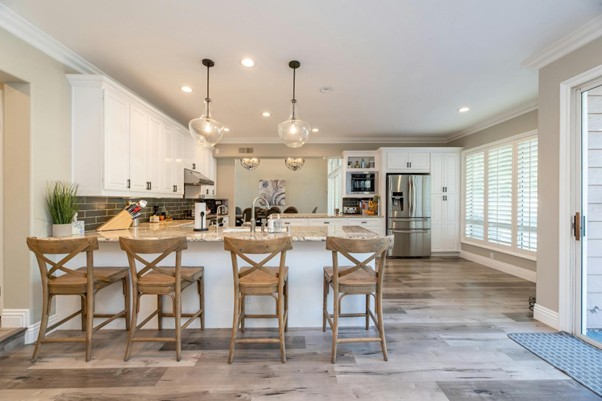
A functional kitchen is more than a place to cook. It is the engine room of a home where habits form, health is supported, and time is either saved or lost. When the space works well, it quietly removes friction from everyday life.
Layout That Works Every Day
Good layout keeps people and tasks from colliding. The classic zones for prep, cooking, cleaning, and storage still make sense, but the distances between them should fit your space and stride. A smooth path from the fridge to the sink to the stove cuts steps and lifts the mood.
When heat and moisture build up, that path should include an immediate escape route for air. Choosing premium kitchen ventilation makes a visible difference in comfort and an invisible difference in air quality. Place the cooktop where a hood can capture rising fumes without hitting obstacles like tall cabinets or a crossing walkway.
Storage You Can Actually Use
Storage should bring items to you. Deep drawers outdo base cabinets for storing pots and pans, and pullouts organize spices and oils near the range. A small appliance garage keeps the counter clean while keeping daily tools within reach.
Plan storage by frequency. Everyday plates belong at arm level, baking gear can live lower, and holiday platters can go high. Label bins and use clear containers so you can see what you have at a glance.
Ventilation That Protects Health
Cooking releases heat, water vapor, grease, and gases that you should not keep indoors. A vented hood placed close to the source captures pollutants before they drift through the house. Ducting to the outside is the gold standard, and make-up air matters in tight homes.
Health is a real stake here. A recent U.S. Government Accountability Office review reported that nitrogen dioxide from gas stoves can sometimes exceed 1-hour exposure limits set by federal and global guidelines. Effective capture and consistent use reduce that risk, especially when frying or searing.
Everyday Habits That Help
Turn the hood on at the start of cooking, not after smoke appears. Use back burners when possible so the hood’s capture area works better. Keep filters clean so airflow stays strong.
Surfaces And Appliances That Simplify Life
Durable, easy-clean surfaces shrink chores. Quartz counters resist stains, high-temp liners protect cabinet bottoms, and a single-bowl sink leaves room for big pans. Induction cooktops heat fast, stay cooler to the touch, and pair well with a powerful hood.
Choose appliances for reliability and fit instead of features you will never use. A slightly smaller refrigerator can add a wider prep zone, which you may value more. Quiet dishwashers allow conversation to keep flowing while cleanup happens in the background.
Lighting And Power Where You Need It
Layered lighting turns a dim room into a working stage. Combine bright task lights under cabinets with softer ambient ceiling lights and a focused pendant over the island. Dimmers let you switch from food prep to family hangout without harsh glare.
Plan outlets where tools actually live. Put charging drawers near the entry drop zone, add plug strips below upper cabinets, and include a dedicated circuit for the microwave or espresso machine. Small details like these prevent cord clutter and tripped breakers.
Safety And Accessibility Built In
Slip-resistant flooring and rounded counter edges reduce everyday hazards. Soft-close hardware helps small hands and tired wrists. If you have stairs nearby, a gate or half-height wall can keep kids and pets out of the cooking zone during busy moments.
Design for all ages and abilities. Wide walkways, lever handles, and drawers instead of doors make the space easier for everyone. Thoughtful heights for ovens and microwaves limit heavy lifting and awkward reaches.
Cleaning Systems That Actually Stick
Cleaning gets easier when the kitchen is planned for it. A pullout bin with separate sections makes sorting trash and recycling simple. A rail or peg system above the sink keeps brushes and towels dry and ready.
Air quality gains come from small routines. A 2024 peer-reviewed study found that a targeted ventilation intervention cut cumulative nitrogen dioxide exposure during cooking events, showing how consistent use delivers measurable benefits. Simple habits plus good equipment add up over time.
Budget, Timeline, And Tradeoffs
Start with a list of must-haves and nice-to-haves. Fund core function first, like ventilation, lighting, and durable surfaces, then add style where it counts. If the budget is tight, prioritize the work triangle, storage upgrades, and a hood that actually moves air.
Expect tradeoffs. A larger island might pinch a walkway, while a wall oven could reduce pantry space. Keep measuring and mocking up with tape on the floor so you can feel the flow before you commit.

A functional kitchen is quiet, reliable, and safe. It supports how you cook, clean, and gather without demanding attention. Build for the way you live, and the space will return the favor every single day.