
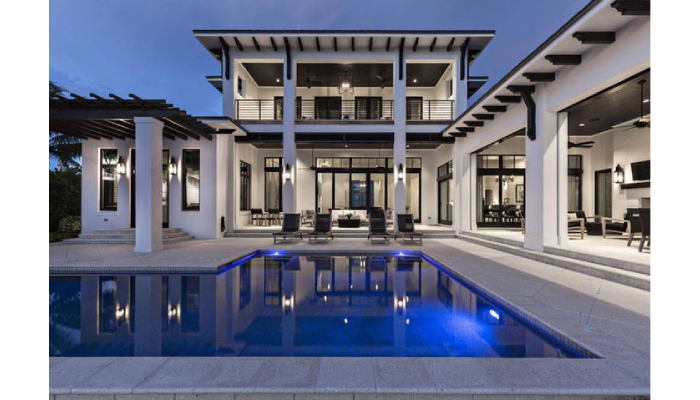
Florida style home designs have gained immense popularity due to their unique blend of architectural influences and practical features that cater to the state’s warm climate. With roots in Spanish Colonial and Mediterranean styles, these homes often incorporate sustainable materials and energy-efficient technology, making them both beautiful and functional. Their designs typically focus on indoor-outdoor living, with large windows and inviting patios that promote social gatherings year-round. The diverse cultural heritage of Florida residents influences these homes, resulting in a rich variety of styles, from modern luxury to Caribbean-inspired designs. This rich tapestry appeals to homeowners looking for comfort, sustainability, and a connection to nature.
1. Architectural Evolution of Florida Homes
Florida’s architectural landscape is a vibrant tapestry woven from various historical influences, making it both distinctive and appealing. Spanish Colonial and Mediterranean styles are prominent, each contributing to a design ethos that is as practical as it is beautiful, tailored to thrive in the state’s warm climate. Over the years, the evolution of Florida style home designs has embraced sustainability, with many new constructions using eco-friendly materials and energy-efficient designs that resonate with modern homeowners’ values.
Architectural features like wide eaves and large windows are not just aesthetic choices; they serve the critical function of managing heat and sunlight effectively, ensuring comfort during the hot summer months. Additionally, open floor plans that promote airflow and natural light have become a hallmark of contemporary Florida homes, catering to the lifestyle preferences of residents who value spaciousness and connectivity.
Community input plays a vital role in shaping these designs, resulting in a wide variety of styles that reflect the diverse culture and history of Florida’s neighborhoods. Architects frequently draw inspiration from the surrounding landscape, incorporating elements that harmonize with the natural environment, such as lush gardens and views of the coast.
Renovations of older homes often strike a balance between preserving historical charm and modernizing for energy efficiency, ensuring that the rich architectural heritage of the state continues to thrive. As technology and materials advance, the evolution of Florida home designs is set to continue, promising even more exciting and innovative options for future homeowners.
2. Adapting to Florida’s Climate
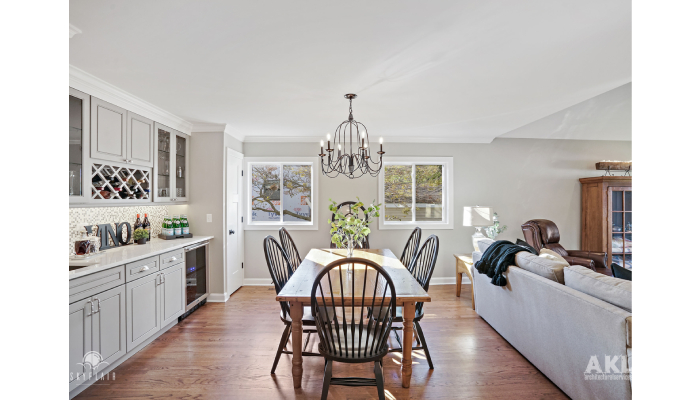
Florida’s humid climate plays a crucial role in shaping its home designs. The use of materials like treated wood and stucco is essential for resisting mold, ensuring homes remain durable and beautiful in the face of moisture. Large overhangs are a common feature, providing much-needed shade and reducing the amount of direct sunlight hitting the windows, which helps keep indoor spaces cool. Elevated foundations are also a must, especially during hurricane season, as they protect homes from potential flooding.
Cross-ventilation is a key design principle, allowing fresh air to flow through the house, maintaining comfortable indoor temperatures even during the sweltering summer months. Roof designs often incorporate tiles that reflect heat, enhancing energy efficiency and helping to lower cooling costs. Furthermore, double-glazed windows improve insulation and reduce outside noise, making homes not only more comfortable but also quieter.
Outdoor spaces are designed to be both functional and inviting, enabling homeowners to enjoy the mild winters while remaining sheltered from the occasional rain. Screened porches are a popular addition, providing a bug-free zone for relaxation and social gatherings. Landscaping with native plants not only enhances the aesthetic appeal but also promotes water conservation, making it a practical choice for eco-conscious homeowners. Additionally, community planning takes Florida’s climate into account, with developments designed to minimize heat islands and encourage airflow, ensuring that neighborhoods remain pleasant and inviting.
- Florida’s humid climate requires materials that resist mold, such as treated wood and stucco.
- Designs often include large overhangs to provide shade and reduce direct sunlight on windows.
- Elevated foundations are necessary to combat flooding during hurricane seasons, a common concern in Florida.
- Cross-ventilation is a design principle that helps maintain comfortable indoor temperatures.
- Roof designs often feature tiles that reflect heat, contributing to energy efficiency.
- Windows are commonly double-glazed to improve insulation while reducing noise from outside.
- Outdoor spaces are designed to be functional, allowing homeowners to enjoy the mild winters while being protected from rain.
- Homes often include screened porches that allow for bug-free outdoor relaxation.
- Landscaping choices, like native plants, enhance water conservation efforts while being visually appealing.
3. Exploring Popular Architectural Styles
Florida’s architectural landscape is a vibrant tapestry of styles that reflect the state’s unique character and lifestyle. The Modern Florida Style stands out, emphasizing open spaces and abundant natural light, creating homes that feel airy and connected to the outdoors. Mediterranean-Inspired homes are also popular, showcasing clay tile roofs and arched doorways, which marry luxury with practicality, making them ideal for the warm climate. Caribbean-Inspired designs brighten the scene with vivid colors and expansive decks, encouraging outdoor living and social gatherings.
Cracker Style homes, with their simple and functional designs, pay homage to Florida’s history and climate, promoting airflow and comfort. Meanwhile, contemporary designs are making waves by incorporating smart technology, enhancing convenience and efficiency for modern living. Eco-friendly homes are on the rise too, integrating renewable materials and energy sources, appealing to the environmentally conscious homeowner.
Coastal designs, with their large glass walls, frame stunning ocean views, flooding interiors with light and air, while Colonial Revival styles combine traditional aesthetics with modern conveniences, offering the best of both worlds. Luxury homes increasingly focus on wellness, featuring amenities like home gyms and spa-like bathrooms, catering to those who seek both comfort and health in their living spaces. Blending these various styles is common, allowing homeowners to select elements from multiple influences, crafting unique and personalized homes that resonate with their tastes and lifestyles.
4. The Appeal of Indoor-Outdoor Living
Florida’s stunning climate sets the stage for homes that seamlessly blend indoor and outdoor living. With large outdoor areas designed as extensions of living spaces, homeowners can enjoy the beautiful weather year-round. Lanais and patios become popular gathering spots, offering comfortable spaces for relaxation and entertaining friends and family. The use of sliding glass doors creates an effortless flow between the indoors and outdoors, making it easy to transition from a cozy living room to a vibrant patio.
Outdoor kitchens and dining areas elevate the entertaining experience, encouraging gatherings under the sun or stars. Many homes feature fire pits and seating areas, inviting year-round enjoyment, even during cooler evenings. Thoughtful landscaping around these outdoor spaces creates private oases, enhancing the overall tranquility and aesthetic appeal. Screening outdoor areas helps keep bugs at bay while still allowing fresh air to circulate, a must-have in Florida’s warm months.
Natural elements like water features or lush gardens can further enhance these outdoor living areas, making them not just functional but also visually stunning. Outdoor lighting is essential for safety and ambiance, transforming spaces into magical settings for evening gatherings. Homeowners often choose durable outdoor furniture to craft inviting and practical spaces, ensuring that their outdoor areas are as comfortable as their indoor ones.
5. Emphasizing Sustainability and Energy Efficiency
Florida homeowners are increasingly embracing sustainable and energy-efficient designs, making them a popular choice in home construction. With abundant sunshine available throughout the year, many new Florida homes now feature solar panels, harnessing this natural resource to reduce energy bills and promote a greener lifestyle. Energy-efficient windows are another key element, helping to keep homes cool during the scorching summer months while enhancing indoor comfort.
Smart home technology also plays a crucial role in this shift, allowing homeowners to optimize energy use through advanced thermostats and lighting systems. This tech-savvy approach not only contributes to energy savings but also empowers homeowners to monitor their energy consumption more effectively.
Moreover, the use of local materials is on the rise, supporting local economies and minimizing environmental impact. Builders are increasingly adopting water conservation features, such as rainwater harvesting systems, which are becoming standard in many homes. Additionally, green roofs and walls are gaining traction, providing insulation and promoting biodiversity, while recycling and repurposing materials during construction helps to minimize waste.
Sustainable landscaping practices, like xeriscaping, are also enhancing water conservation efforts in Florida yards. Many builders are adhering to green building certifications, ensuring that eco-friendly construction practices are at the forefront of home design. With a growing awareness of their carbon footprints, homeowners are actively seeking designs that align with their values, making sustainability and energy efficiency cornerstones of Florida style homes.
6. Cultural Influences on Home Designs
Florida’s unique home designs are a vibrant tapestry woven from the rich cultural influences that shape the state. With a diverse population, Florida showcases a blend of architectural styles that reflect its heritage. For example, Native American designs inspire a connection with nature, using natural materials that harmonize with the surrounding environment. Spanish colonial influences shine through in the charming tiled roofs and inviting courtyards found in many homes. Meanwhile, Caribbean culture brings a splash of vibrancy with its bright colors and designs that celebrate outdoor living, inviting residents to enjoy the beautiful Florida weather year-round.
This cultural melting pot results in homes that tell stories of the community. Architects often collaborate with local artisans, ensuring traditional craftsmanship is preserved in modern designs. Historical sites in Florida serve as inspiration for new builds, helping to maintain a sense of place and continuity within the architectural landscape. Community events and cultural festivals not only reflect this diversity but also influence the design of public spaces and homes, creating an environment that feels alive and connected.
Moreover, the appreciation of culture is evident in the artwork and furniture that adorn many Florida homes, showcasing unique pieces that resonate with the homeowner’s identity. Seasonal design changes inspired by cultural traditions, such as festive decorations for holidays, further enhance the sense of community and belonging. Florida style home designs are not just about aesthetics; they are deeply rooted in the cultural narratives that make the state so special.
7. Current Trends in Florida Home Design
Current trends in Florida home design reflect a vibrant blend of functionality and style. Multifunctional spaces have become essential, allowing homeowners to easily adapt areas for different uses as their needs evolve. Open-concept layouts are all the rage, promoting social interaction and making the most of available space. Wellness-focused designs are gaining traction, emphasizing natural light, fresh air, and non-toxic materials for healthier living environments. Biophilic design, which brings the beauty of nature indoors, is also on the rise, with homeowners keen to incorporate natural elements into their interiors. In the tech-savvy age, smart home systems are now standard, offering convenience and energy management at homeowners’ fingertips. Sustainability is a priority, with eco-friendly materials and practices increasingly sought after in new construction. Outdoor living spaces are designed to feel just as inviting as indoors, effectively blurring the lines between the two. Minimalist designs are popular, focusing on simplicity and functionality without sacrificing style. Given the shift towards remote work, home offices have become must-have features, reflecting the new normal of flexible living. Lastly, trends often cycle back, with retro styles making surprising comebacks alongside modern innovations, keeping Florida home designs fresh and exciting.
Frequently Asked Questions
What makes Florida style home designs different from other styles?
Florida style homes stand out because of their open floor plans, large windows, and outdoor living spaces, which bring the beauty of Florida’s sunshine indoors.
Why are outdoor spaces important in Florida home designs?
Outdoor spaces are crucial in Florida home designs because they take advantage of the pleasant climate, allowing homeowners to relax and entertain outside in comfort.
How do Florida style homes stay cool in hot weather?
Florida style homes often feature tall ceilings, large overhangs, and plenty of windows, designed to promote airflow and keep the interiors cool during the hot summer months.
Are Florida style homes energy efficient?
Yes, many Florida style homes incorporate energy-efficient materials and technologies, like proper insulation and energy-saving windows, helping homeowners lower their energy bills while staying comfortable.
What popular features can you find in Florida style homes?
Common features in Florida style homes include spacious porches, bright colors, tile flooring, and high ceilings, all designed to enhance the tropical feel and maximize natural light.