
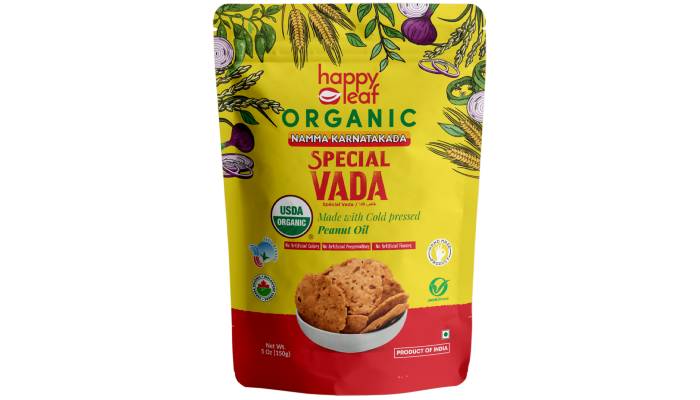
The growing trend of health-conscious consumers is significantly boosting the popularity of organic Indian snacks. People are looking for snacks that are nutritious and free from artificial additives, contributing to a shift towards cleaner eating habits. Additionally, globalization has sparked interest in diverse ethnic foods, particularly those from India’s rich culinary tradition. This exposure is further enhanced by social media, making traditional Indian snacks more accessible. The market is diversifying with products like millet-based options that cater to dietary preferences such as veganism. Sustainability also plays an essential role since many consumers favor ethically produced snacks that align with their values.
1. Consumer Health Consciousness Drives Snack Choices
There is a clear trend among consumers leaning towards healthier snack alternatives. Health-conscious individuals are actively searching for organic indian snacks that are organic, low in artificial additives, and packed with nutrients. This shift is closely tied to a broader awareness of health and wellness, which is leading many to prioritize snacks that deliver on both flavor and nutritional benefits. Organic snacks are gaining favor because they lack artificial preservatives, making them especially appealing to those committed to clean eating. As consumers become more informed, they scrutinize labels more closely, seeking products that highlight organic and natural ingredients. Marketing campaigns often spotlight the health benefits of these snacks, reinforcing their appeal. Modern snackers place equal importance on taste and nutrition, looking for options that seamlessly fit into a health-focused lifestyle. Snack companies are responding to this demand by innovating and developing products that meet these health criteria.
- Health-conscious consumers prefer snacks that are organic and nutrient-dense.
- The trend towards clean eating is reshaping snack options.
- Awareness of health issues is motivating consumers to choose organic snacks.
- Demand for snacks with no artificial additives is on the rise.
- Labels that highlight organic and natural ingredients attract buyers.
- Consumers are reading labels more closely to make informed choices.
- Health benefits of organic snacks are often highlighted in marketing campaigns.
- Taste and nutrition are equally important to modern snackers.
- People are looking for snacks that fit into a health-focused lifestyle.
- Snack companies are responding by developing products that meet health criteria.
 2. Cultural Influences Shape Snack Trends
 2. Cultural Influences Shape Snack Trends
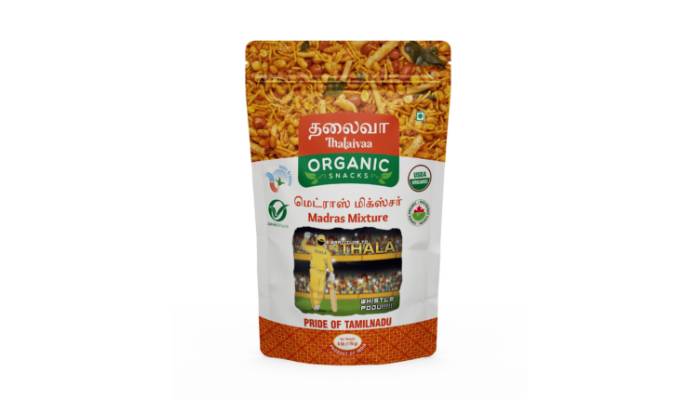
Globalization is reshaping the way we approach food, creating a heightened interest in diverse snack options. Indian snacks, known for their vibrant flavors and unique textures, are now making waves in Western markets, drawing in consumers eager for something different. Social media has played a crucial role in this cultural exchange, providing a platform for Indian snacks to be showcased, shared, and celebrated. Culinary traditions are being honored through innovative snack development, with traditional Indian snacks being reimagined to cater to modern tastes. Ethnic snacks are no longer just a niche market; they are becoming trendy and desirable, with consumers embracing the idea of adventurous snacking. Travel experiences have also opened the door for these culinary delights, allowing people to experience Indian flavors firsthand and seek them out back home. Fusion snacks that blend Indian and Western elements are gaining popularity, appealing to those who crave the familiar yet seek something new. As cultural appreciation grows, the demand for authentic Indian snacks continues to rise, reflecting a broader trend towards embracing global flavors.
3. Diverse Offerings Cater to Various Diets
As the demand for organic Indian snacks grows, brands are expanding their product lines to meet various dietary preferences. A notable trend is the rise in gluten-free snack options, appealing to those with sensitivities or who choose to avoid gluten. Vegan snacks are also gaining traction, catering to the increasing number of plant-based eaters seeking flavorful and nutritious alternatives. Incorporating ancient grains like millet and quinoa into snack recipes not only enhances nutrition but also aligns with health-conscious consumers’ desires for wholesome ingredients.
To attract a broader audience, brands are experimenting with diverse flavors and innovative recipes, ensuring that there is something for everyone. This includes creating healthy alternatives to traditional snacks, such as low-oil versions of classic namkeens or chips made from lentils. Additionally, some snack brands are focusing on specific dietary trends, launching products that align with keto, paleo, or other popular eating styles.
Consumer feedback plays a vital role in shaping these new product formulations, allowing brands to fine-tune their offerings based on what consumers want. The result is a rich variety of snacks that appeal not only to different tastes but also to various dietary needs, helping brands connect with multiple consumer segments.
4. Sustainability Appeals to Conscious Consumers
Consumers today are increasingly placing value on eco-friendly products, and this trend is significantly influencing their snack choices. Organic Indian snacks often come from farming practices that are more sustainable than conventional methods, which resonates with environmentally conscious buyers. Many consumers are seeking snacks that not only satisfy their taste buds but also align with their values. Ethically produced snacks, especially those that focus on sustainability, are becoming more appealing as buyers express a desire to support brands that prioritize environmental responsibility.
Sustainable packaging is also gaining importance, as brands recognize that consumers are looking for products that minimize waste and environmental impact. The demand for local sourcing is on the rise, with buyers eager to know where their food comes from and how it was produced. Transparency in sourcing and production has become critical, making consumers more likely to choose brands that openly share their practices. As awareness around environmental considerations grows, it influences purchasing decisions, often leading consumers to support brands that actively engage in sustainability initiatives.
Brands that promote their sustainability efforts are not only attracting loyal customers but are also receiving positive media attention, which further enhances their visibility. The market for sustainable snacks is expanding rapidly, and as consumers continue to seek products that reflect their values, organic Indian snacks are well-positioned to thrive in this evolving landscape.
5. Market Growth Opportunities for Organic Snacks
The organic snacks market is on the brink of substantial growth, with projections indicating a leap from USD 14.77 billion in 2025 to USD 31.03 billion by 2034, reflecting a compound annual growth rate of 8.6%. This surge is largely fueled by urbanization, as more people live in cities and seek convenient, healthy snacking options to fit their fast-paced lifestyles. Additionally, rising health trends present opportunities for brands to innovate their snack offerings, catering to consumers who are increasingly aware of their dietary choices. E-commerce is reshaping the landscape, allowing brands to reach wider audiences and making organic snacks more accessible than ever. Regions like North America and Asia-Pacific are at the forefront of this growth, driven by heightened health awareness that influences purchasing behavior. Snack brands are responding by expanding their product lines to include organic options, often collaborating with health influencers to amplify their visibility and reach. This growing interest in organic snacks is not only encouraging investment in the sector but also highlighting the potential for new and diverse products that meet the evolving needs of health-conscious consumers.
6. Innovative Marketing Expands Reach and Awareness
Digital marketing strategies are transforming the way organic Indian snacks are promoted. Brands are increasingly turning to social media campaigns to effectively reach their target audiences, allowing them to showcase their products to a wider demographic. E-commerce platforms have also played a crucial role in making organic snacks more accessible, enabling consumers to purchase their favorite snacks with just a few clicks. Subscription services, providing regular deliveries of these snacks, are gaining traction, appealing to those who enjoy convenience alongside health.
Creative packaging designs are drawing consumer attention, making these snacks stand out on crowded shelves. Influencer partnerships have emerged as a powerful tool for brands to connect with younger audiences, providing authentic endorsements that resonate well. Additionally, online reviews and ratings are significantly impacting consumer choices, as people increasingly rely on the experiences of others before making purchases. Brands are also enhancing emotional connections through storytelling in their branding, which helps consumers relate to the products on a personal level. Targeted ads are driving awareness of new offerings, ensuring that innovative products reach interested customers. Overall, marketing strategies are evolving continuously to keep pace with changing consumer trends, helping organic Indian snacks gain popularity in today’s market.
Frequently Asked Questions
What makes Indian snacks different from other snacks?
Indian snacks often use unique spices and ingredients that create bold flavors, making them stand out compared to typical snacks.
Are organic Indian snacks healthier than regular snacks?
Yes, organic Indian snacks are usually made without artificial additives and preservatives, so they can be a healthier choice.
Why are more people choosing organic Indian snacks now?
Many people are becoming more health-conscious and looking for natural options, plus they are curious about trying diverse flavors.
Do organic Indian snacks cater to different dietary needs?
Absolutely, many organic Indian snacks are vegan, gluten-free, or made with whole ingredients, making them suitable for various diets.
Can I find organic Indian snacks in local stores?
Yes, many local grocery stores and health food shops are starting to stock organic Indian snacks, especially as their popularity grows.
TL;DR Organic Indian snacks are becoming popular due to increased consumer health consciousness, cultural influences, and diverse product offerings. They appeal to consumers seeking healthier, flavorful options while aligning with trends in sustainability and ethical production. The market is projected to grow significantly, driven by innovative marketing strategies that enhance accessibility and brand appeal.