
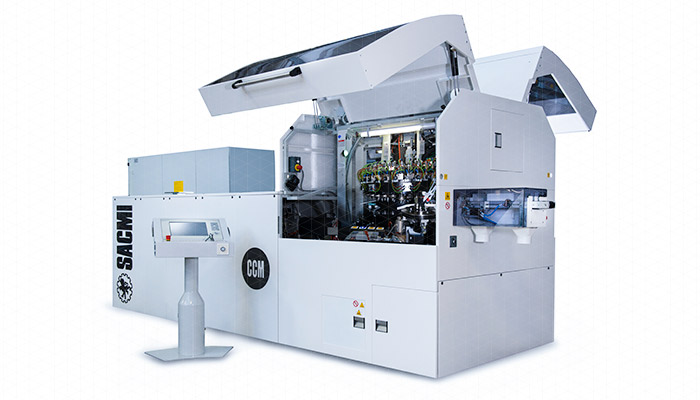
Short neck bottle caps are gaining popularity among Indian manufacturers for several reasons. The projected growth of the plastic caps market, reaching USD 5.63 billion by 2025, reflects a rising demand driven by urbanization and changing consumer habits. As more people prioritize convenience and health, especially in beverages and pharmaceuticals, these caps offer a compact design that ensures reliability while enhancing visual appeal. Short neck caps also align with sustainability goals by reducing material waste. Furthermore, advancements in technology allow for customization and efficient production processes that cater to evolving preferences. Overall, the future looks bright for these innovative packaging solutions in India’s competitive landscape.
1. Overview of Short Neck Bottle Caps in India
Short neck bottle caps are compact closures designed for various products, particularly in the beverage, pharmaceutical, and personal care sectors. Their reduced height allows for more efficient packaging, making them a preferred choice among manufacturers. Historically, bottle caps have evolved significantly in India, with short neck caps emerging as a popular option due to their practicality and aesthetic appeal. They are primarily made from materials like plastic and metal, which provide durability and safety.
Key Indian manufacturers are now leading the market, taking substantial shares thanks to the rising demand driven by urbanization and changing consumer preferences. The regulatory environment also plays a crucial role, as manufacturers must adhere to guidelines that ensure safety and sustainability in their production processes.
Short neck bottle caps manufacturer in india contribute significantly to product safety and extended shelf life, making them essential in industries where reliability is crucial. Consumers generally perceive these caps as effective packaging solutions, reinforcing their popularity. The market shows a clear segmentation by industry and application, with future trends pointing toward innovative designs and enhanced functionality to meet ongoing consumer demands.

2. Market Growth and Demand for Short Neck Caps

The Indian plastic caps market is on a significant upward trajectory, with projections estimating a growth from around USD 5.63 billion by 2025 to approximately USD 7.23 billion by 2030, reflecting a compound annual growth rate (CAGR) of 5.12%. This surge can be largely attributed to factors such as urbanization and shifting consumer lifestyles that favor convenience. Urban consumers are increasingly leaning towards packaged products, especially in the beverage and pharmaceutical sectors, where short neck caps are becoming essential due to their secure design.
As health consciousness rises, more consumers are opting for bottled products that feature reliable caps, boosting demand for short neck options. The convenience factor plays a crucial role in shaping packaging trends, especially among younger demographics who are drawn to innovative and visually appealing designs. Additionally, the rapid growth of e-commerce has further accelerated the demand for short neck bottle caps, as online shopping often emphasizes the need for easy-to-use packaging.
When comparing traditional caps to short neck caps, the latter is gaining a competitive edge in various sectors, particularly personal care and beverages, where single-use packaging solutions are increasingly popular. Regional variations also highlight urban consumers’ preferences for short neck caps over rural counterparts, showcasing a clear trend toward modern packaging solutions. However, manufacturers must navigate challenges such as rising raw material costs and regulatory pressures around plastic use. Despite these hurdles, the future looks promising, with investment opportunities emerging within the short neck caps segment, indicating a sustained demand driven by convenience, health consciousness, and an inclination towards sustainable practices.
3. Shifting Consumer Preferences and Trends
As urbanization continues to reshape lifestyles in India, packaging choices are evolving to meet the demands of modern consumers. With busy schedules and a desire for convenience, many people now prefer portable packaging that fits seamlessly into their daily routines. This shift is particularly evident among younger generations, who not only seek functionality but also value aesthetics in packaging. They gravitate towards designs that are visually appealing and easy to use, making short neck bottle caps an attractive option.
Moreover, the trend towards sustainability is gaining traction. Consumers are increasingly aware of environmental issues and prefer products that demonstrate eco-friendly practices. Short neck caps, which often use less plastic and can be designed for recyclability, align well with this growing demand for sustainable solutions. Innovations in materials, including biodegradable options, are also being explored to meet this preference.
4. The Functionality and Aesthetic of Short Neck Caps
Short neck caps are gaining traction due to their unique features that enhance both functionality and aesthetics. Their compact design makes them easy to open and reseal, which is particularly beneficial for consumers who value convenience. For instance, a user can easily dispense liquid from a short neck cap without the fear of spills, making these caps ideal for pharmaceuticals and cosmetic products where precision is crucial.
The aesthetic appeal of short neck caps also plays a significant role in their popularity. Manufacturers can utilize a variety of colors and designs to create visually engaging packaging that stands out on shelves. This flexibility in design allows brands to align their packaging with their overall branding strategies, creating an attractive product that resonates with consumers. For example, vibrant colors can attract younger consumers looking for trendy products, while more subdued tones can appeal to a health-conscious audience.
In crowded markets, innovative cap designs are essential for product differentiation. Short neck caps can help a brand carve out its niche, making it memorable in consumers’ minds. User feedback often highlights the ease of use and attractive design of these caps, reinforcing their positive perception. Moreover, successful case studies show that brands implementing unique short neck cap designs, which seamlessly blend functionality and style, have experienced increased market share.
As brands continue to innovate, the future of short neck caps looks promising. Emerging trends indicate a shift towards more sustainable materials and designs, which not only enhance user experience but also align with consumer preferences for eco-friendly packaging. This balance between functionality and aesthetics will likely define the next phase of short neck cap design, further solidifying their position in the market.
- Specific features of short neck caps that enhance functionality, such as ease of opening and resealing.
- Aesthetic design elements that appeal to consumers, including color and branding opportunities.
- Importance of cap design in product differentiation in crowded markets.
- How short neck caps contribute to the overall brand image and consumer perception.
- Practical applications of short neck caps in various industries, such as pharmaceuticals and cosmetics.
- User feedback on functionality and design aspects of short neck caps.
- The balance between functionality and design in consumer product packaging.
- Case studies of successful short neck cap designs that have gained popularity.
- Innovation in cap design that enhances user experience.
- Future trends in the aesthetics of bottle caps and their implications for brands.
5. Role of Sustainability in Cap Production
Sustainability is becoming a core focus in the production of short neck bottle caps. Many manufacturers are adopting practices that minimize environmental impact, such as using recycled materials and exploring biodegradable options. For instance, some companies have started producing caps from plant-based plastics, which break down more easily than traditional petroleum-based plastics. This shift is not only driven by regulatory pressures but also by rising consumer demand for eco-friendly products. As consumers become more conscious of their environmental footprint, they are increasingly seeking brands that align with their values, prompting manufacturers to prioritize sustainable practices in their production processes.
6. Technological Innovations in Cap Manufacturing
Recent advancements in cap manufacturing have transformed the industry, enhancing efficiency and reducing costs. Automation plays a crucial role in this evolution, streamlining production lines and allowing manufacturers to produce short neck caps at a faster pace. The integration of the Internet of Things (IoT) enables real-time monitoring of machinery and processes, optimizing operations and minimizing downtime. Additionally, innovations in materials science have led to the development of new cap types that are both functional and environmentally friendly, meeting the growing demand for sustainable solutions.
Printing technology has also seen significant progress, allowing brands to implement high-quality graphics directly on caps. This not only enhances product visibility but also strengthens brand identity. For instance, some manufacturers have adopted digital printing methods, enabling easier customization and quicker turnaround times for promotional campaigns.
7. Current Market Trends Impacting Short Neck Caps
The demand for short neck bottle caps is significantly influenced by current market trends. The rise in single-use packaging solutions, particularly in the beverage sector, caters to consumers’ fast-paced lifestyles, thereby boosting the popularity of these caps. As urbanization progresses, consumers are increasingly seeking convenient and portable packaging, which short neck caps provide effectively. Furthermore, there is a growing trend in personalization and customization, allowing brands to tailor their caps to meet specific consumer preferences, enhancing their appeal.
Global events, such as the pandemic, have also shifted packaging choices, with consumers becoming more health-conscious and seeking secure, reliable packaging. This has led to an increased focus on transparency in packaging, with consumers expecting clear ingredient lists and information about the products they purchase. The emergence of subscription services further impacts packaging needs, as brands look to provide unique and functional solutions that enhance the consumer experience.
8. Competitive Landscape of the Cap Industry
The short neck cap market in India features a mix of established players and emerging startups, each vying for market share through unique strategies. Key players like Aptar Group and Bericap are positioned strongly, focusing on innovation and sustainability to differentiate their offerings. These companies invest heavily in research and development to create products that not only meet consumer demands but also align with environmental goals. For instance, they are exploring biodegradable materials and designs that minimize plastic waste.
Competitive strategies involve a combination of product differentiation, pricing tactics, and customer service enhancements. Leading manufacturers often implement tiered pricing structures, allowing them to cater to diverse market segments. Meanwhile, emerging startups disrupt the market with innovative solutions, targeting niche audiences with specialized products. Their agility enables them to respond quickly to changing consumer preferences, which is crucial in a fast-paced market.
9. Challenges Facing Short Neck Cap Manufacturers
Short neck cap manufacturers in India face various challenges that affect their operations and growth. One significant issue is the rising cost of raw materials, which impacts production budgets and profit margins. As prices fluctuate, manufacturers must find ways to manage these costs without compromising quality. Additionally, regulatory challenges concerning plastic use and environmental compliance are becoming increasingly stringent. Manufacturers must navigate these rules while striving to meet consumer demands for sustainable practices.
Competition from alternative packaging solutions is another hurdle. Various materials and designs are entering the market, pushing short neck cap manufacturers to innovate continually. Supply chain disruptions, particularly in recent years, have affected the availability of essential materials, causing delays and increasing costs. This situation is compounded by a growing consumer backlash against plastic products, compelling manufacturers to rethink their strategies and consider more eco-friendly options.
10. Future Outlook for Short Neck Bottle Caps
The future of short neck bottle caps appears bright, driven by several key factors. Market analysts predict that the demand for these caps will continue to grow, with the Indian plastic caps and closures market expected to reach approximately USD 7.23 billion by 2030. This growth is largely fueled by increasing urbanization and a shift towards health-conscious, convenient packaging solutions in both the beverage and pharmaceutical sectors. As technological advancements continue, manufacturers may benefit from automation and innovations in materials, such as biodegradable options, which align with rising consumer demand for sustainable products. Furthermore, younger consumers are increasingly favoring unique and aesthetically pleasing packaging, suggesting that cap designs will evolve to meet these trends. Emerging markets also present a significant opportunity, as their adoption of short neck caps can drive further growth. However, manufacturers must remain aware of potential regulatory changes and rising raw material costs that could impact production. Overall, the long-term outlook for short neck bottle caps is promising, with sustained demand likely to be influenced by convenience, health awareness, and sustainability.
Frequently Asked Questions
What are short neck bottle caps and why do they matter?
Short neck bottle caps are designed for bottles with a shorter neck, providing a tight seal for various liquids. They matter because they help keep products fresh and prevent leaks.
How do short neck bottle caps benefit manufacturers in India?
These caps benefit manufacturers by being cost-effective and easy to use, which streamlines production and improves efficiency in packaging.
Are there specific industries in India that prefer using short neck bottle caps?
Yes, industries like beverage, pharmaceuticals, and chemicals often prefer short neck bottle caps due to their reliability and sealing capabilities.
Do short neck bottle caps come in different materials?
Yes, they come in various materials like plastic and metal, allowing manufacturers to choose based on their product requirements.
How do short neck bottle caps affect the consumer experience?
They enhance the consumer experience by making bottles easier to open and reseal, ensuring the contents remain fresh until they are used.
TL;DR Short neck bottle caps are gaining popularity among Indian manufacturers due to their compact design, which enhances functionality and aesthetic appeal in various sectors like beverages, pharmaceuticals, and personal care products. The market for these caps is expected to grow significantly, driven by urbanization, health consciousness, and consumer demand for convenience. Additionally, sustainability is becoming a key focus, with manufacturers exploring eco-friendly materials. Technological innovations in production processes are further enabling customization and efficiency. Despite challenges like rising raw material costs, the outlook for short neck caps remains optimistic as trends towards convenience and sustainability continue.